September 28, 2026 · Updated with latest audience score, streaming rankings, and premiere reaction — The last time American Horror Story attempted a major crossover, it was 2018’s Apocalypse. That season reunited characters from Murder House and Coven, brought back Jessica Lange in a limited capacity, and earned a 75% audience score on Rotten Tomatoes. Eight years later, Season 13 is attempting something larger — a gathering of characters and storylines from across the entire franchise — and the early audience reaction is far colder.
The comparison is unavoidable. Both seasons were sold as event television. Both leaned heavily on nostalgia and returning stars. Only one is currently sitting at a historic-low 40% audience score.

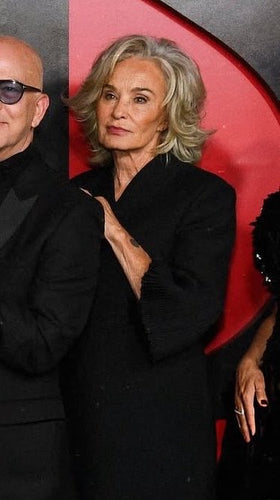
Photo via @Lara_beatrixz on X
What Apocalypse Did Differently
Apocalypse had a relatively clear central conflict from early on: the rise of the Antichrist, Michael Langdon, and the witches’ attempt to stop the end of the world. The season used returning characters as pieces in that larger story rather than as the story itself.
Key advantages Apocalypse held:
- A defined external threat that new and old viewers could follow
- A mix of new characters and legacy figures, so the plot did not rely entirely on prior knowledge
- Traditional hour-long episodes that gave storylines room to breathe
- A sense of escalation that built toward a confrontation
Even viewers who were not deeply familiar with every previous season could understand the stakes. The callbacks rewarded longtime fans without making the plot inaccessible.
What Season 13 Is Doing Differently
Season 13 is denser, faster, and more self-referential. In the first three episodes alone, the show reintroduces Constance Langdon, Madison Montgomery, Tate Langdon, Kai Anderson, the Black Dahlia, and multiple other figures while also establishing a new protagonist (Ben), a mysterious building (the Apollyon), a transformation (Mr. Nas), and a ritual gathering (the 13 leading ladies).
The result is a premiere that feels closer to a greatest-hits medley than a focused narrative. For superfans who have been waiting to see these characters share the screen, the density is part of the appeal. For viewers who wanted a clearer entry point, it has felt overwhelming.
Additional differences that are shaping the reaction:
- Half-hour format — Less time for exposition and emotional grounding
- Scale of the reunion — More characters and more seasons represented than in 2018
- Ambiguous central threat — Mr. Nas and the “ultimate evil” remain largely undefined after three episodes
- Marketing language — The “Avengers” framing raised expectations for a coherent team-up story

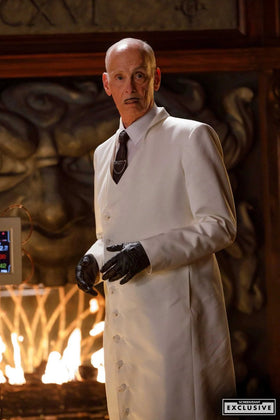
Photo via @Lara_beatrixz on X
Audience Score Gap
The numbers underline the difference in reception:
- Apocalypse (2018) — approximately 75% audience score
- Season 13 (2026) — approximately 40% audience score after the premiere
Critics have been more consistent across both seasons, often praising ambition and star power while noting structural messiness. The larger gap this time is on the audience side.
Is Season 13 Trying to Be Bigger Than Apocalypse?
Yes. Murphy has been explicit that Season 13 is not a Coven sequel or a simple two-season crossover. It is an attempt to bring “all the seasons” into conversation. The ambition is higher. The risk is also higher. Apocalypse succeeded in part because it kept its core conflict simple even while delivering fan service. Season 13 is still searching for that same balance after three episodes.
What the Comparison Suggests Going Forward
If Season 13 can establish a clearer through-line in the October 1 episodes, it may begin to close the gap with Apocalypse. If the density continues without a stronger narrative spine, the comparison will likely remain unfavorable for many.
Quick Answer: How Does AHS 13 Compare to Apocalypse?
Season 13 is larger in scale, denser in callbacks, and more ambitious in its reunion of characters. Apocalypse was more accessible, had a clearer central conflict, and earned a significantly higher audience score (75% vs the current 40%). Early reactions suggest the newer season is rewarding superfans while leaving more casual viewers behind.
Frequently Asked Questions
Which crossover season has the higher audience score?
Apocalypse holds a clear lead with roughly 75% on Rotten Tomatoes. Season 13 opened near 40%.
Is Season 13 meant to be a direct sequel to Apocalypse?
No. Ryan Murphy has described it as a crossover involving characters and elements from across the entire franchise rather than a continuation of any single previous season.
Why are fans comparing the two so directly?
Both were marketed as major reunion events featuring returning stars and overlapping mythology. The shared DNA makes the difference in early reception especially noticeable.
Could Season 13 still recover to Apocalypse levels of goodwill?
Possible but not guaranteed. Clearer plotting and stronger emotional stakes in the coming episodes would be required to shift the current audience trajectory.

Photo via @AHSZone on X

Photo via @DreadCentral on X
AHS 13 vs Apocalypse: What Fans Search Most
Comparison searches — AHS 13 vs Apocalypse, best AHS crossover season, and Apocalypse audience score vs Season 13 — keep rising because both were sold as major reunions. Apocalypse held a clearer central threat and a 75% audience score; Season 13 opened near 40% with denser, faster fan service.

Photo via @pixeltwelve on X
Key Takeaways: AHS 13 vs Apocalypse
- Apocalypse (2018) held about a 75% audience score; Season 13 opened near 40%.
- Apocalypse had a clearer central threat; Season 13 is denser and faster.
- Both were marketed as major crossovers — that is why the comparison dominates search.
- Season 13 is bigger in scale, riskier in accessibility.
Related Reading
- Why Critics Are Kinder to American Horror Story Season 13 Than Fans
- Is American Horror Story Season 13 Already Feeling Like a Soft Finale?
Author: Shivam Das
Independent coverage for U.S. readers. Corrections or tips: contact via the site.