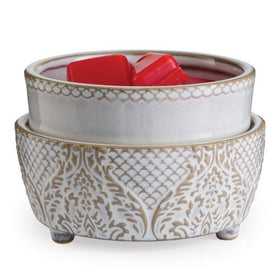
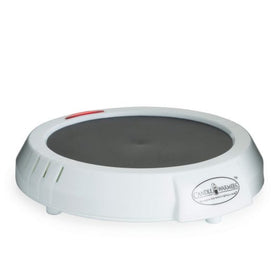
A candle warmer lamp is an electric lamp that warms the wax in a jar candle from above, usually with a halogen bulb, so fragrance can be released without lighting the wick. It has become a popular home-fragrance option because it combines candle scent with decorative lighting and removes the open flame during a warming session.
Quick answer: a candle warmer lamp melts the top layer of wax using heat from a bulb. It differs from a warmer plate, which heats the candle from underneath. Flame-free does not mean risk-free: the bulb, shade, jar and melted wax can get hot, so safe placement and supervision still matter.

How does a candle warmer lamp work?
The bulb sits above a candle in a suitable container. Its heat softens and melts the wax surface, allowing fragrance to evaporate into the room. The wick stays unlit, so the candle is warmed rather than burned. Many models include a dimmer to adjust heat output and a timer to shut the lamp off after a chosen period.
Candle warmer lamp vs. warmer plate
- Lamp warmer: heats wax from above with a bulb and also provides ambient light. Height and dimmer controls vary by model.
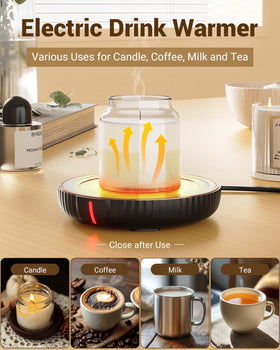
- Warmer plate: heats a jar from below using an electric heating surface; it usually does not provide lamp-style lighting.
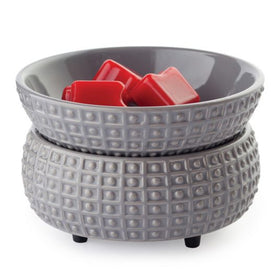
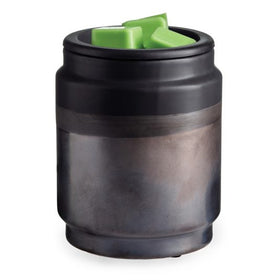
- Wax-melt warmer: typically warms separate wax melts in a dish. Only use wax or containers approved by the warmer’s manufacturer.
For a lamp, check maximum candle height, base footprint, bulb replacement type, dimmer range and timer options. For a plate, check the heating-surface diameter and whether automatic shutoff is included.

Why are candle warmer lamps trending?
They bring together scented wax and soft accent lighting. Decorative finishes range from wood-look bases and glass shades to vintage-inspired flower designs and minimalist metal frames. Timers and dimmers can make everyday use easier, although features differ and should be checked on the individual listing.
Some shoppers choose warmers to avoid an open flame, including in homes with children or pets. A warmer still needs a safe location and attentive use; it should not be left running while you sleep or when you leave home.
What about fragrance strength and candle life?
A warmer can release fragrance without burning the wick, but the result depends on the wax blend, fragrance formulation, room size, airflow and the warmer’s heat output. A stronger scent is not guaranteed. Fragrance may fade after repeated warming even when wax remains, so follow the candle maker’s instructions about when to stop using it.

Real expert context: candle makers and fire-safety advice
Candle company founders and fire-safety professionals have been quoted in consumer reporting about the benefits and limitations of candle warmers. Teri Johnson, founder of Harlem Candle Company, is one of the candle-industry voices referenced in NBC Select’s coverage. Her experience provides industry context, not a product endorsement.
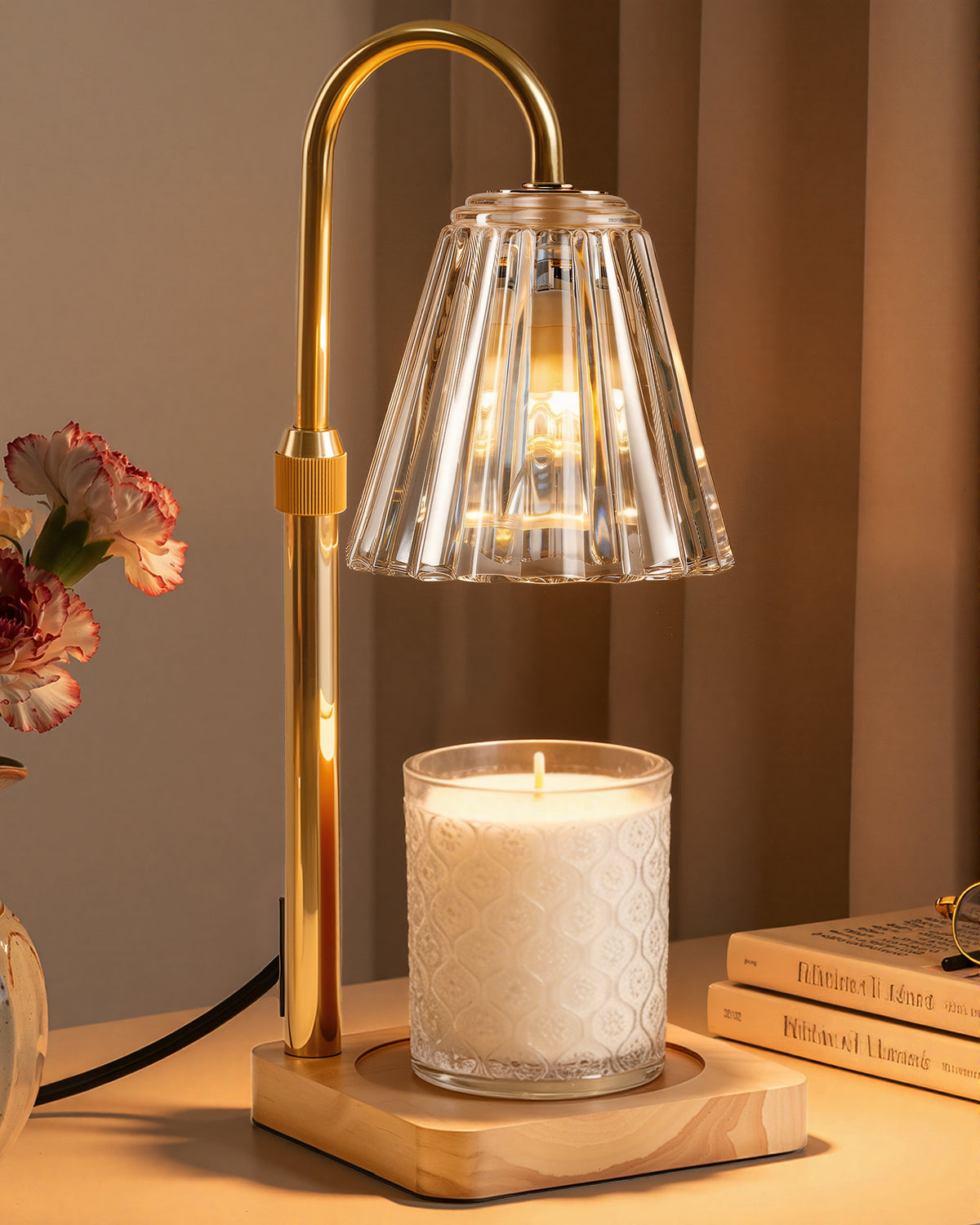
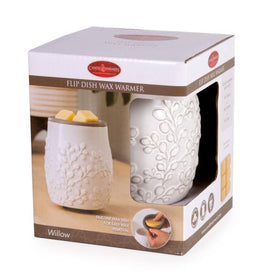
NBC Select’s 2026 candle-warmer guide discusses product features and expert safety advice. We have not conducted independent lab testing for this explainer, and product photos shown here are illustrative references rather than a claim that every pictured item is the same model.
How to use a candle warmer lamp safely
- Place it on a stable, heat-resistant surface with open space around the lamp.
- Keep it away from curtains, bedding, paper, furniture edges and other combustible materials.
- Never light the candle wick while the warmer is switched on.
- Do not leave the warmer unattended, and switch it off before leaving or going to sleep.
- Do not touch or move the lamp, shade, bulb or melted wax while hot; let everything cool first.
- Use only the bulb type and candle container allowed by the product manual.
- Keep cords out of walkways and beyond the reach of children and pets.
For more background, read the National Fire Protection Association’s candle-safety guidance. A candle warmer removes the open flame while warming, but it is not a device to leave unattended.
Social discussion: what are people saying?
Community posts can show how people use candle warmers in everyday homes, but comments are anecdotal and may refer to different models. The Reddit discussion below is included as a general community conversation, not as verified testing or proof of any brand’s performance.
Candle warmers
from r/Candles
We did not find a verified Instagram or X post that could responsibly be represented as an expert statement for this explainer, so we have not invented one. For product-specific updates, check the maker’s own website and verify model details before purchasing.
What should you look for before buying?
- Adjustable height: helps accommodate different candle jars.
- Timer: provides a scheduled shutoff, but is not a substitute for supervision.
- Dimming control: lets you adjust brightness and often warming intensity.
- Bulb availability: check the exact bulb type and whether a replacement is easy to find.
- Stable base and cord: practical features for everyday placement.
- Clear instructions: the manufacturer should specify compatible containers, bulb wattage and safe operation.
Frequently asked questions
Does a candle warmer lamp use a real flame?
No. A lamp warmer uses an electric bulb to warm the wax; the candle wick remains unlit during warming.
Is a candle warmer lamp completely safe?
No electrical heating device is completely risk-free. The open flame is avoided, but the bulb, shade, jar and wax can become hot. Follow the manual and never leave it unattended.
Can I use any candle with a warmer lamp?
Use a candle in a suitable, heat-resistant container that fits safely under the lamp. Follow the warmer manufacturer’s guidance and do not place loose wax or unapproved containers under the bulb.
Does warming make a candle smell stronger?
Sometimes, but not always. Scent throw depends on the wax and fragrance, room conditions and heat output. A warmer does not guarantee stronger fragrance.
Does a warmer make a candle last forever?
No. Fragrance can diminish with repeated warming, and wax does not last indefinitely. Follow the candle maker’s guidance for when to discard it.
Is this article based on hands-on testing?
No. This is an educational, research-based explainer using published product coverage and safety resources, not a new hands-on test.