Kit Barrus and Blair Bishop have taken a viral argument about appearance offline, turning a social-media insult into a face-to-face debate about conventional beauty standards. In a report published October 7, OK! Magazine said Barrus invited Bishop to Los Angeles after Bishop ranked online creators by looks and called Barrus the “ugliest” creator.
The clash has drawn attention beyond the original ranking because the two creators defended very different ideas of what makes someone attractive—and whether one narrow standard should define beauty at all.

How the creator feud began
According to OK! Magazine, Bishop ranked creators by appearance and criticised Barrus’s height and short, brightly coloured hair. The report quoted Bishop comparing Barrus to “G.I. Joe and a Smurf” and arguing that most men would not find her look attractive. Those comments framed beauty as a relatively fixed checklist of traits.
Barrus responded by acknowledging that her look may not match conventional beauty ideals, while arguing that people can—and do—find different features attractive. She also pointed to her audience as evidence that a single ranking cannot speak for everyone. The debate is about personal taste, not an objective measure of a person’s worth.

The disagreement moves to Los Angeles
Rather than continuing only through reaction posts, Barrus invited Bishop to meet in Los Angeles and explain the traits she considers conventionally attractive. In the exchange described by OK!, Bishop cited long blonde hair, blue eyes, a shorter stature and a slim build. Barrus challenged the idea that most people would automatically prefer that combination, suggesting that individuality and distinctive features can be attractive too.
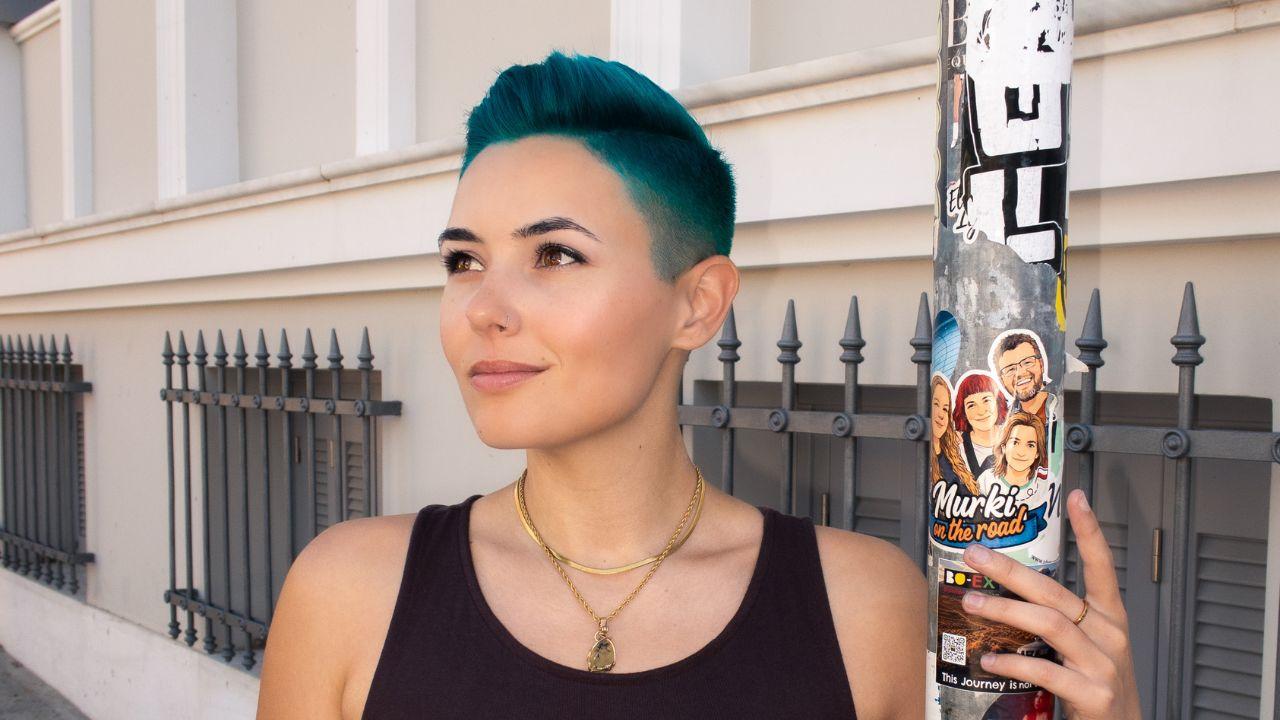
The conversation did not produce a shared definition of beauty. Instead, it highlighted the difference between describing one person’s preference and presenting that preference as a universal rule. Viewers can disagree with either creator’s opinion without turning a person’s appearance into a public score.

Why the exchange is resonating online
Appearance-ranking videos are built to prompt quick reactions: viewers compare, defend, disagree and share clips. But the format can also blur the line between discussing beauty ideals and humiliating an individual. The Barrus–Bishop exchange has become a wider conversation about who gets to define attractiveness—and how social platforms reward provocative opinions.
OK! Magazine reported that Barrus is among the platform’s top 0.01% of creators and attributed monthly earnings of about $800,000 to her. That figure is a reported claim, not independently verified financial data. Either way, income or follower numbers do not settle an argument about beauty; they simply show that an audience can respond differently from a critic.
Watch the original social posts
The original clips provide context for readers who want to hear the exchange directly. Instagram controls whether embedded posts load in every browser, so the links below are also available as direct posts.
View Kit Barrus’s response on Instagram
View the in-person conversation on Instagram
The takeaway
The latest development is not simply another creator feud. It is a debate about the limits of beauty rankings and the way online attention can turn subjective preferences into viral judgments. Barrus and Bishop have made their positions clear, but the broader point remains: attractiveness is subjective, and a viral ranking is not a verdict on anyone’s value.
Source: OK! Magazine, October 7, 2026. Social clips are linked from Instagram.