OnlyFans is no longer being covered only as an internet curiosity. In 2026, creators are increasingly appearing in mainstream photography, business reporting and cultural conversations that treat their work as a serious part of the digital economy.
That shift matters because the visual language around creators can influence how audiences understand the business itself. The latest example is The New Yorker's “Bodies of Work,” a photography-and-essay project that put several OnlyFans creators in a mainstream magazine's visual culture coverage. citeturn4search0turn4search3
The Big Change Is Not More Nudity — It Is More Context
The mainstream conversation around OnlyFans often used to revolve around earnings claims, celebrity sign-ups or controversy. The New Yorker’s 2026 portfolio takes a different route: it focuses on people, work, identity and the complicated relationship between visibility and privacy.
That approach is significant. A creator can be highly visible online and still feel misunderstood offline. The magazine's reporting describes the platform as part of a broader history of webcam culture and self-broadcasting, connecting today's creator economy to earlier forms of internet performance. citeturn4search0
Why Photography Is Changing the OnlyFans Conversation
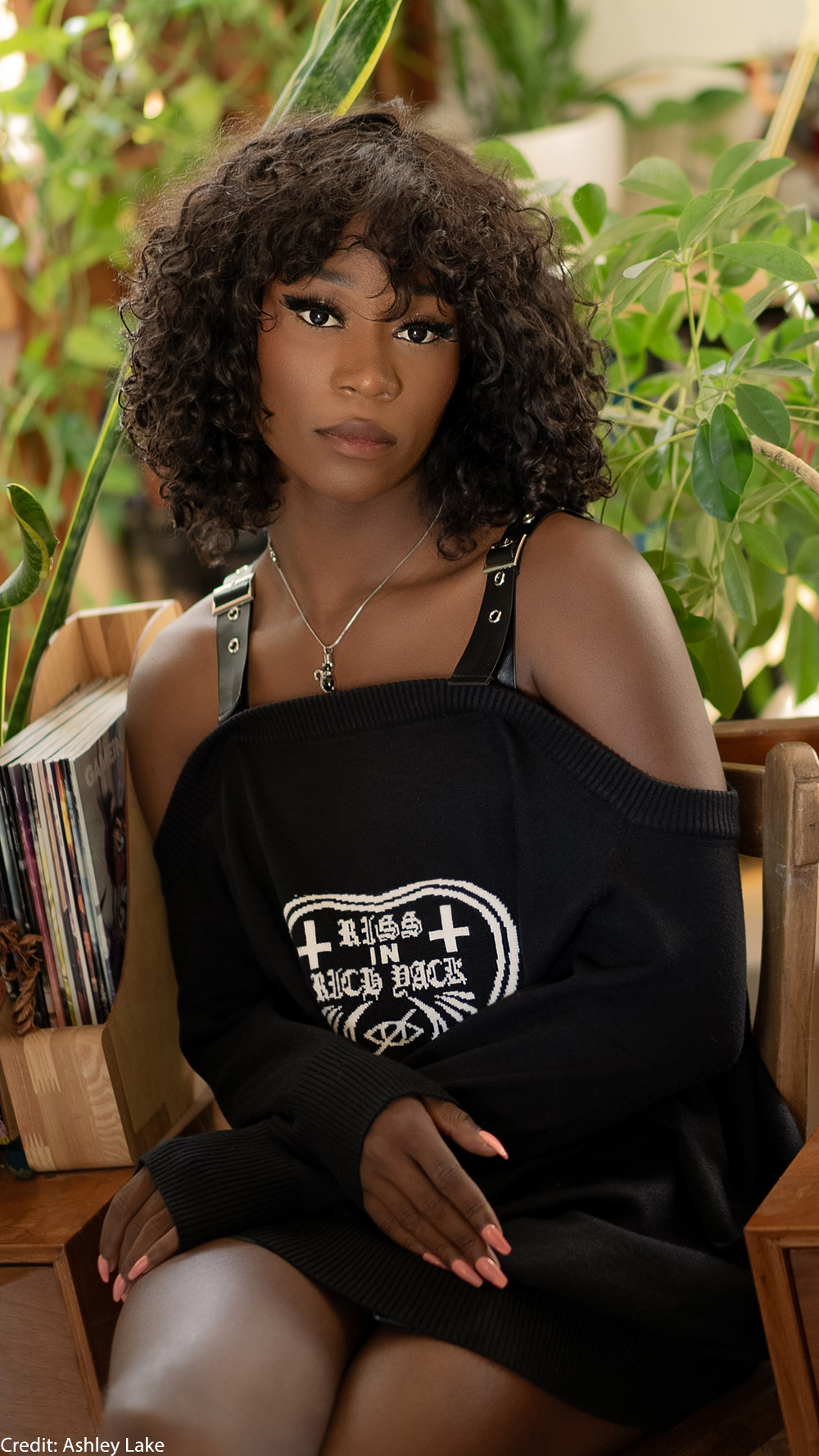
Photography can make a creator look very different from a promotional thumbnail. Instead of showing a subscription pitch, an editorial portrait can communicate personality, work, ambition and vulnerability.
That distinction is increasingly important as creators build businesses across multiple platforms. Their public identity may include Instagram, TikTok, X, podcasts, magazine interviews, live appearances and subscription platforms at the same time.
In other words, OnlyFans can be one part of a creator's media business rather than the whole identity.
Vanniall Shows How the Creator Career Has Expanded
Vanniall is one example of that broader path. Her own press materials list mainstream and industry coverage, awards, advocacy work and a growing production business alongside her subscription-platform work. Her site also notes her appearance in The New Yorker’s 2026 creator portfolio. citeturn4search1turn4search4
That career model is worth watching because it changes the old assumption that an adult creator's only business is posting content. Some creators are now building production companies, merchandise, media appearances, podcasts, collaborations, advocacy projects and other revenue streams around their personal brands.
The Creator Economy Is Becoming a Personal-Media Economy
The most useful way to understand the change is to think of creators as small media companies. Their product is not simply a photo or video. It can include a recognizable personality, community, recurring subscription revenue, direct messaging, live interaction, sponsorships and intellectual property.
The New Yorker’s reporting also places OnlyFans inside a much longer history of people broadcasting themselves online. That history matters because today's subscription economy did not appear from nowhere; it grew from webcams, blogs, social networks and increasingly sophisticated direct-to-fan businesses. citeturn4search0
Social Media Is Still the Discovery Engine
For many creators, the public social feed is the top of the funnel while the subscription platform is the deeper relationship. That makes the connection between public images and paid content strategically important.
The embedded LinkedIn post is from The New Yorker and promotes its 2026 reporting on OnlyFans creators and the evolution of webcam culture. citeturn3search5
Creators also continue to use X and Instagram to distribute public-facing content and direct audiences toward their broader media presence. For safety and longevity, creators should assume that public posts can travel well beyond the original audience.
Why “Sexy” Content Alone Is a Weak SEO Strategy
There is a temptation to treat sexual imagery as the main search strategy for an OnlyFans news site. That is usually a mistake. Search engines and readers need context: who is involved, what happened, why it matters, what the numbers mean and what is genuinely new.
Editorial images can still be visually compelling without publishing leaked, stolen or explicit material. A strong image strategy uses legitimate public portraits, credited editorial photography, official creator images and platform branding while making the article useful even when the reader never clicks an image.
What This Means for OnlyFans Creators in 2026
- Personal branding matters. The strongest creators increasingly have recognizable identities outside a single platform.
- Public and private content serve different purposes. Public social media can introduce a creator; subscription content can deepen the relationship.
- Mainstream coverage can expand reach. A credible feature can introduce a creator to audiences who never search for adult-content platforms directly.
- Privacy becomes more valuable as visibility grows. Creators should understand what information is public and what can be copied or redistributed.
- Original reporting beats recycled galleries. News sites can add value by explaining business models, creator careers and platform changes rather than simply reposting attractive photos.
The Bigger Cultural Shift
OnlyFans has become part of a larger conversation about who gets to control an audience and monetize direct relationships online. The platform's creators can be entertainers, entrepreneurs, performers, influencers, activists or some combination of all of them.
That is why the most interesting 2026 stories are moving beyond “Who joined OnlyFans?” The bigger question is how creator businesses are changing the relationship between fame, intimacy, labor and media.
Frequently Asked Questions
Is OnlyFans becoming more mainstream?
Its creators are increasingly appearing in mainstream journalism, photography and broader creator-economy coverage. That does not mean the platform has lost its adult-content identity; it means the surrounding business and cultural story has become harder to ignore.
Why did The New Yorker photograph OnlyFans creators?
The magazine's 2026 “Bodies of Work” project examined the people and labor behind webcam and subscription-based adult content, placing creators within the longer history of self-broadcasting and digital intimacy. citeturn4search0
Does mainstream coverage mean creators are less private?
Not necessarily. Mainstream exposure can increase visibility while also increasing the importance of boundaries, consent and careful control over personal information.
Should an OnlyFans news site publish nude images for SEO?
No. Explicit or leaked images are not necessary for strong search performance. Relevant, rights-conscious editorial photography plus original reporting, accurate captions and useful context can create a much stronger long-term news product.
The Bottom Line
The next phase of OnlyFans coverage is increasingly about creator businesses, identity and media power, not simply shock value. When a mainstream publication gives creators serious visual and editorial treatment, it signals how far the direct-to-fan economy has moved into everyday digital culture.
For readers, that means there is more to the OnlyFans story than what appears behind a paywall. For creators, it means the public image surrounding their work can become as important as the subscription itself.
Sources: The New Yorker’s “Bodies of Work,” Vanniall’s official press materials and public creator-rights coverage. citeturn4search0turn4search4turn4search1