OnlyFans News | Creator Safety
Two UK criminal cases have renewed scrutiny of consent and control on subscription-content platforms. In reporting published by The Guardian on August 22, 2026, one man was convicted after uploading intimate images of a woman to OnlyFans without her consent; a separate case involved a man who pressured a partner to create content and was convicted of rape and coercive behaviour. The cases are distinct, and neither should be used to imply wrongdoing by creators who publish consensual adult content.
The central issue is simple: an adult creator’s choice to publish content does not give anyone else permission to record, upload, sell or redistribute intimate material. Consent must be specific, informed and ongoing.

What the reported cases show
The Guardian reported that the first case involved intimate images posted without the woman’s knowledge or consent. In the second, the court heard that a partner pressured a woman to open an account and create content. The cases highlight how abuse can happen when someone else controls an account, uses private images, or pressures a creator to cross boundaries.
Read The Guardian’s full report on the convictions. This article summarises that reporting and is not legal advice.
Consent is not the same as account access
Creators may choose to share suggestive, lingerie or adult material on their own terms. That choice does not authorize a partner, manager or subscriber to publish private photos, take over an account, or pressure them into more explicit work. A person’s previous consent to one photo or video does not automatically cover another.
- Keep account recovery in your control. Use a creator-owned email address, phone number and two-factor authentication.
- Use written agreements for collaborations. Define what may be recorded, posted, edited and promoted, and how consent can be withdrawn.
- Separate personal and creator identities. Review photo backgrounds, metadata and linked social accounts for identifying details.
- Save evidence of threats or unauthorized uploads. Keep dates, screenshots, account names and URLs in a secure location.
- Report non-consensual content promptly. Contact the platform and, where appropriate, local police or a specialist support service.
Protecting creator photos across social platforms
Public social posts can help creators build an audience, but a photo on Instagram, TikTok or X is not automatically free for other websites to download and repost. Attribution is not a substitute for permission. For a commercial blog, use licensed images, a creator’s approved press kit, or the platform’s supported embed feature where available.
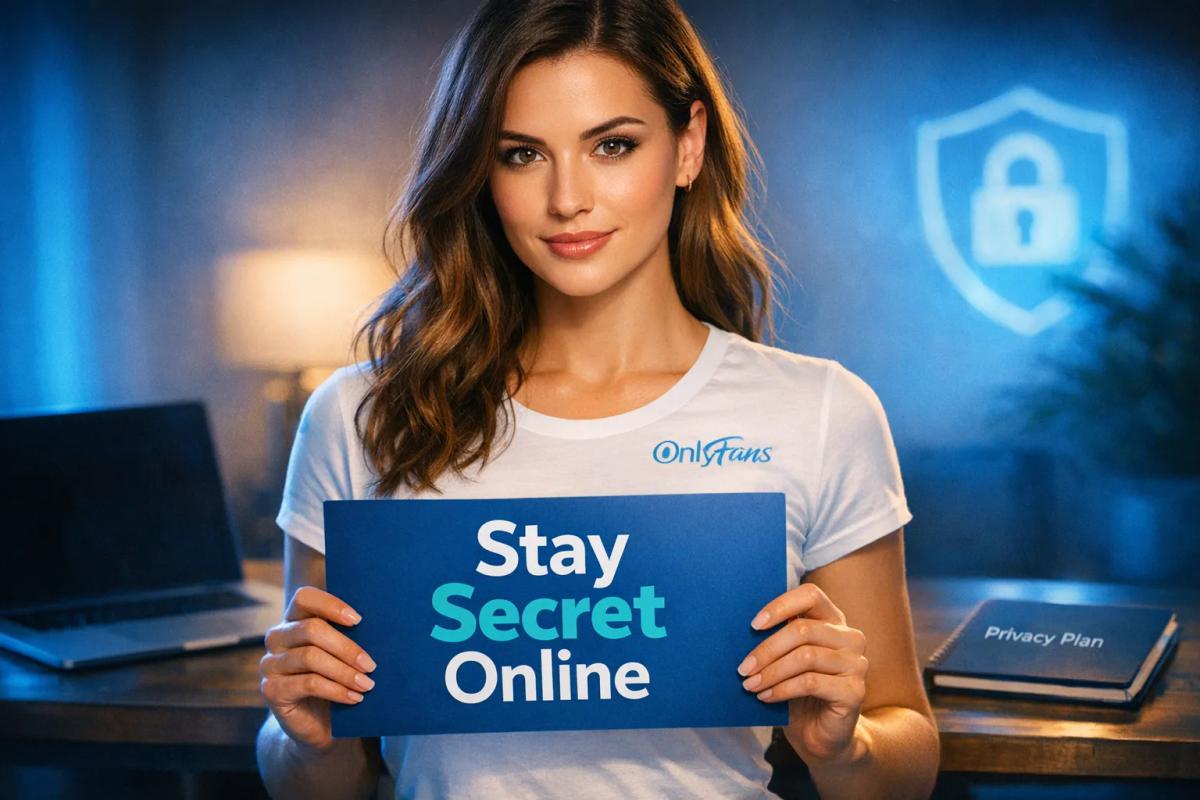
For creators who want extra privacy, consider a watermark, a separate creator email, strong unique passwords, and a careful review of what appears in the background of each image. These steps cannot prevent every form of copying, but they can reduce avoidable exposure and make unauthorized reposts easier to document.
Why this matters for the wider OnlyFans business
Safety and consent are not just personal concerns; they affect trust in creator platforms and the businesses that support them. Managers, photographers and collaborators should have clear permission before handling content, and creators should be able to retain access to their accounts and earnings. Any allegation should be assessed on its evidence, while proven criminal conduct should be treated distinctly from lawful, consensual work.

Social links and further reading
The Guardian: UK cases involving explicit content shared without consent
X Transparency Report: policy on non-consensual intimate imagery
Image and rights note: Images are included for editorial context with source attribution, but reuse permissions have not been independently confirmed. Do not assume credit alone grants a commercial licence. This article does not reproduce intimate images from the cases.