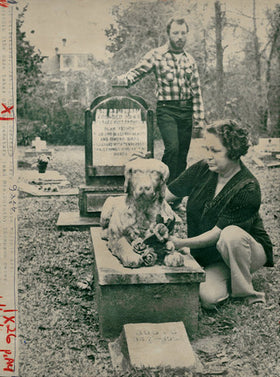
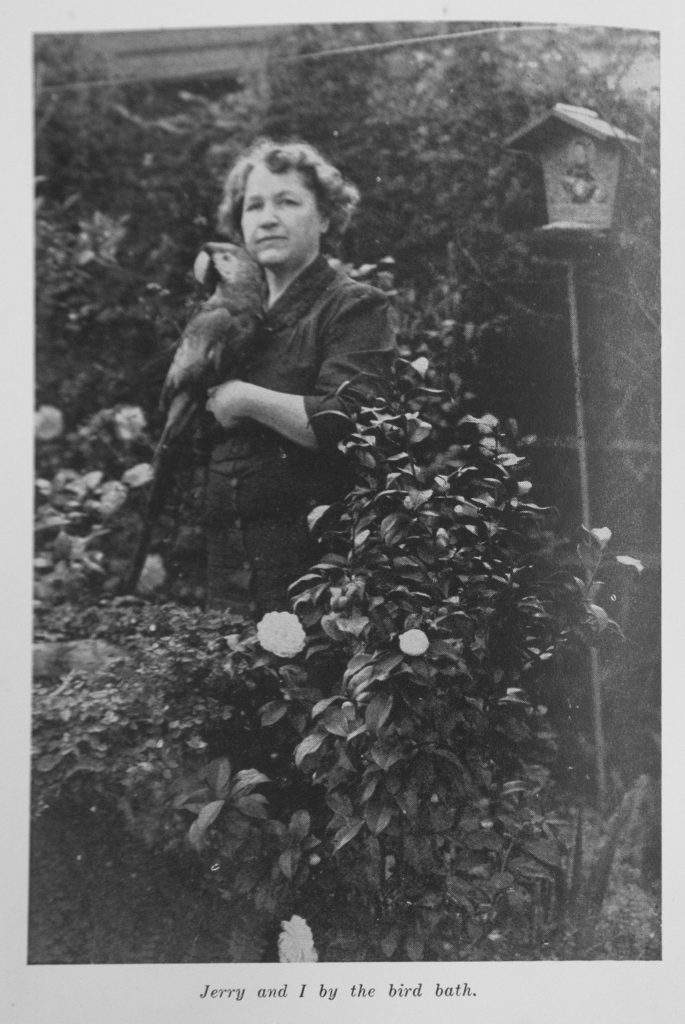
When Dorothy Lou Thompson’s body was found in the Mississippi River in May 1985, investigators suspected that the owner of the Azalea Original Pet Cemetery had been killed amid a dispute over her land. But suspicion alone was not enough to prosecute. The key turn came decades later, when St. Bernard Parish Sheriff’s Office Colonel John Doran reopened the case and new witness information gave investigators a path forward.
This was not a single clue magically solving the case. Public reporting describes a sequence: a renewed review of the cold case, an anonymous tip about an alleged confession, renewed witness interviews and testimony from former assistant groundskeeper James J. Tregler. Brandon Nodier was arrested in April 2012 and pleaded guilty to manslaughter in July 2014.
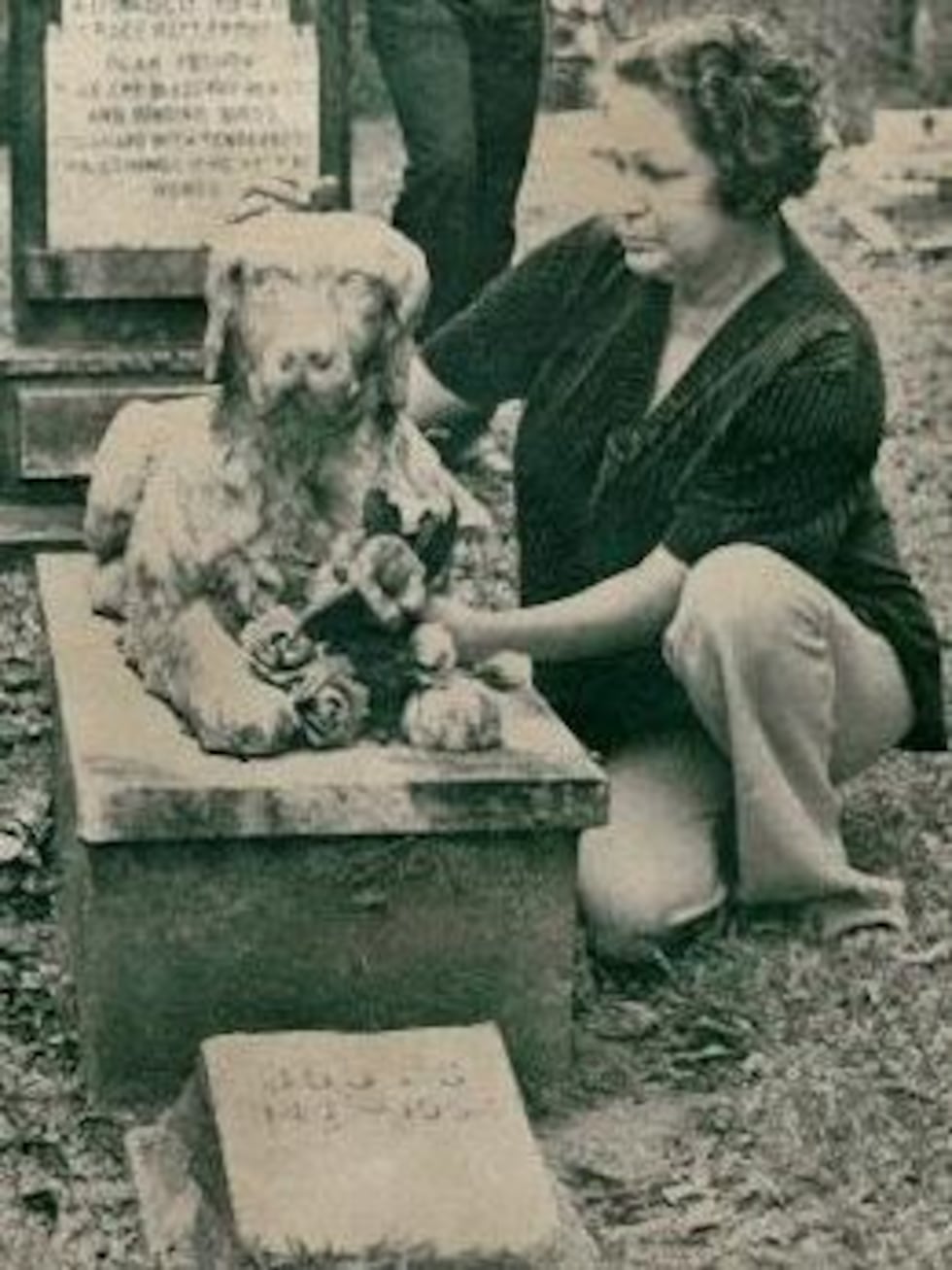
Why the original investigation stalled
Thompson disappeared in April 1985, shortly before a court date in a property dispute involving Nodier. Fishermen found her body on May 2 in the Mississippi River in Plaquemines Parish. The coroner ruled that she died from asphyxia. Investigators considered Nodier a prime suspect, but contemporaneous reports say there was not enough evidence at the time to arrest and indict him.
In 2009, Doran and colleagues reopened the investigation and revisited the original file and potential witnesses. The value of the new information was that detectives could pursue leads and compare accounts with the case record.
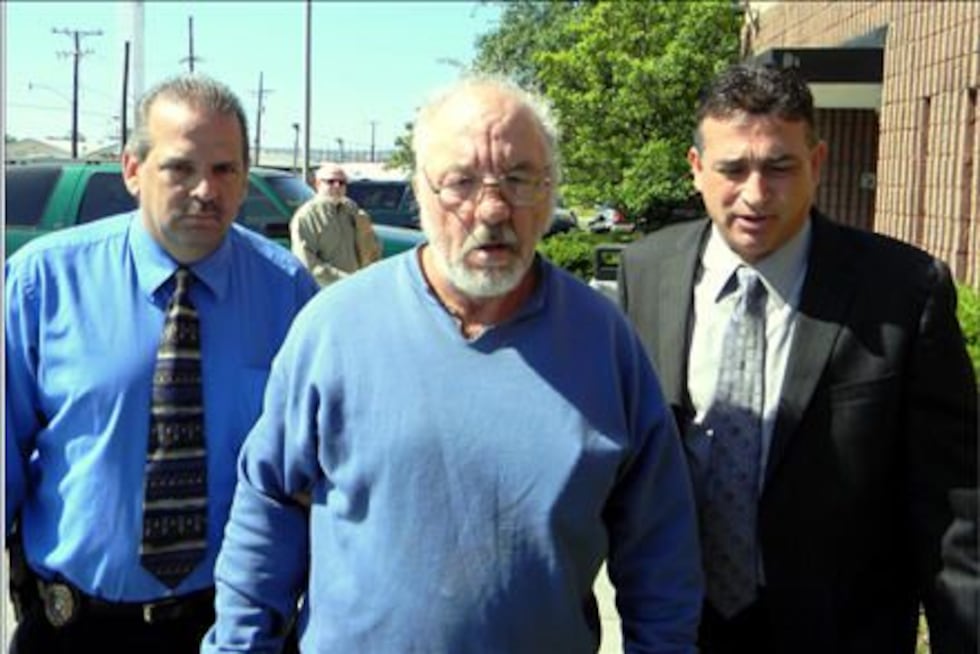
The anonymous tip and alleged confession
Reports describe an anonymous caller who told investigators that Nodier had allegedly spoken about killing Thompson. The caller also described a supernatural experience involving Thompson’s ghost. That experience is a witness account, not independently verifiable proof of a paranormal event. Investigatively, the important point was the information supplied and the leads it gave detectives to examine.
A further development came in 2012, when James J. Tregler, a former assistant groundskeeper who was in custody on an unrelated matter, contacted authorities. He said he had witnessed events surrounding Thompson’s killing and explained why he had remained silent. His account was important to the prosecution, but it was witness testimony—not physical evidence by itself.
Read WDSU’s arrest report and FOX 8’s indictment coverage.
From witness information to prosecution
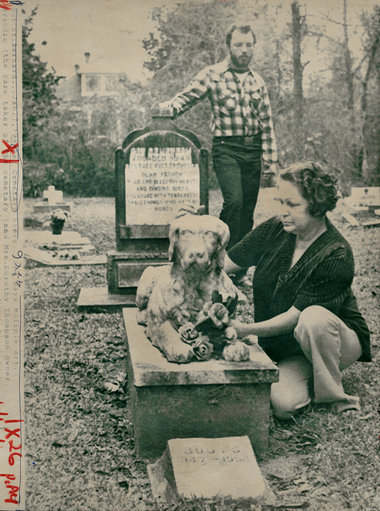
After the witness came forward, investigators from St. Bernard Parish, Plaquemines Parish and Louisiana State Police worked on the case. Nodier surrendered in April 2012 and a grand jury indicted him on second-degree murder charges. An indictment is an accusation, not a conviction; the prosecution still faced the risks of relying heavily on testimony and dealing with evidence that was no longer available.
A&E’s 2026 overview says key evidence had been lost during Hurricane Katrina and the eyewitness was reluctant to testify. Those obstacles help explain why the case ended with a plea agreement rather than a jury trial. In July 2014, Nodier pleaded guilty to manslaughter and received a 10-year sentence.
What Doran’s breakthrough did—and did not—establish
Doran’s work helped move the case from longstanding suspicion to an arrest and prosecution. It did not resolve every question about the cemetery’s history, nor did the plea establish every allegation that circulated locally. Nodier pleaded guilty to manslaughter under an agreement and received a 10-year sentence; that is the legal outcome to cite.
Likewise, ghost stories should be attributed to the witnesses who reported them. The public record supports that these accounts were part of the investigation’s story, but it does not establish that a ghost was objectively present or solved the case.
Official case-related social post
The St. Bernard Parish Sheriff’s Office has shared case-related information on its official Facebook page. This post is included as a primary-source reference, not as a substitute for the full investigative file. Facebook may require sign-in or cookies.
Open the original St. Bernard Parish Sheriff’s Office Facebook post.
Watch the official documentary trailer
Timeline of the breakthrough
- April 1985: Thompson disappears amid a property dispute.
- May 2, 1985: Fishermen find her body in the Mississippi River in Plaquemines Parish.
- 2009: Doran and colleagues reopen the cold case and pursue new information.
- April 2012: Nodier is arrested and indicted after witness information comes forward.
- July 2014: Nodier pleads guilty to manslaughter and receives a 10-year sentence.
Sources and further reading
- A&E: The Pet Cemetery Murder — What Happened to Dorothy Thompson?
- FOX 8: Suspect charged in 27-year-old murder
- FOX 8: Man sentenced in 1985 murder case
- WDSU: Sheriff’s office makes arrest in 1985 killing
- Gone South: The Pet Cemetery Murders, Part 2
- Autopsy of Architecture: Azalea Original Pet Cemetery history
Editorial note: This article distinguishes official case facts, attributed witness claims and supernatural accounts. It does not claim a paranormal event was proven or that every allegation was established in court.