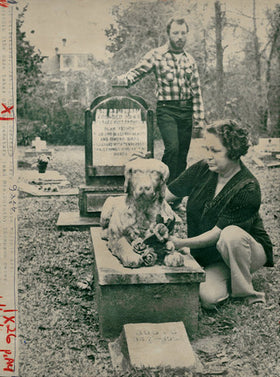
Article #10: Grace Thompson: The Mother Who Founded the Pet Cemetery While Running From Her Own Crimes
Grace Wynne—also known as Grace Thompson—was Dorothy Lou Thompson’s mother and the woman credited with establishing Louisiana’s Azalea Original Pet Cemetery. Her history reached far beyond the cemetery: a Missouri court convicted her of second-degree murder in the 1934 death of Mary Thompson. The conviction’s later procedural history is important: in 1944, the Missouri Supreme Court ordered a new trial because of a legal error. That decision did not amount to a finding that every allegation about Grace was true or false. This article separates court-documented facts from lingering suspicions and local lore. Read the Missouri Supreme Court opinion, State v. Wynne.
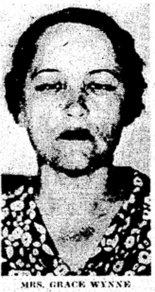
Grace Wynne’s early life and family
Historical accounts identify Grace as Grace Agnes Matt, born around 1890. She married John “Jack” Thompson in 1913, later divorced him, and married Arthur Wynne in 1920. Her daughter Dorothy Lou was born in 1924. Grace also had a creative side: accounts describe her as a musician who played instruments, composed hymns and published a hymnbook. Her story is complex, and the criminal case should not erase the other documented parts of her life.
The Mary Thompson case and the 1944 court ruling
On September 13, 1934, Mary Thompson was killed outside the Kansas City home she shared with Jack Thompson. Witnesses at trial placed Grace at the scene. Grace was convicted of second-degree murder and sentenced to 15 years. The Missouri Supreme Court’s September 5, 1944 opinion reviewed the conviction and ordered a new trial because of a legal error in the proceedings.
That legal detail matters. A retrial order is not the same as an acquittal or a declaration of factual innocence. Historical accounts say Grace was released on bail and did not return for the new trial, instead making her way back to Louisiana. The strongest source for the conviction and appellate history is the court opinion itself, rather than later retellings.
Jack Thompson’s death: facts and unanswered questions
Jack Thompson died in a New Orleans hotel in December 1935. His death was officially attributed to a heart attack. Some accounts describe suspicions and stories about a large hidden fortune, but those stories do not establish that Grace was responsible for his death. The available historical material supports describing this as an episode that attracted suspicion—not as a proven murder by Grace.
Grace later operated a flower shop in New Orleans and continued her musical work. Kansas City authorities located and arrested her in 1940. Historical reporting connects her published hymnbook with the publicity that helped investigators find her.
How Grace established the Azalea Original Pet Cemetery
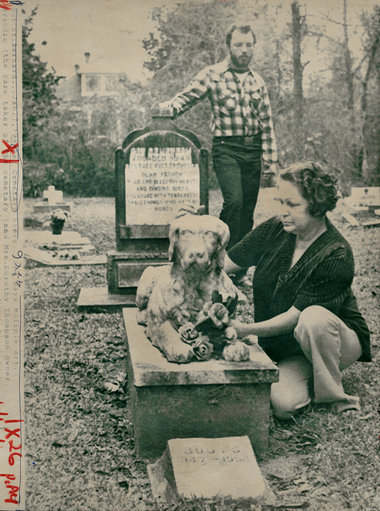
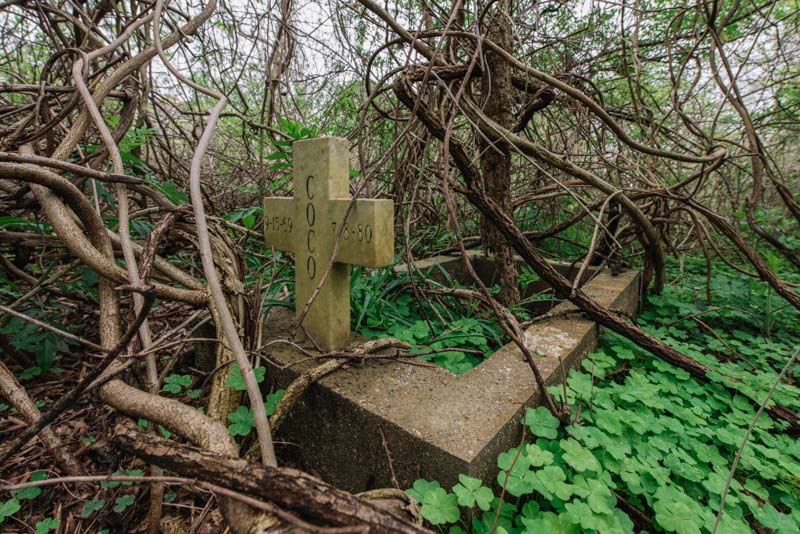
By 1946, Grace, Dorothy and Grace’s mother had moved to the former Toca Plantation in St. Bernard Parish, Louisiana. Historical accounts say Grace had long wanted a dedicated burial place for pets after losing a beloved dog. The family transformed part of the property into a pet cemetery, and by 1952 Grace was running it full-time.
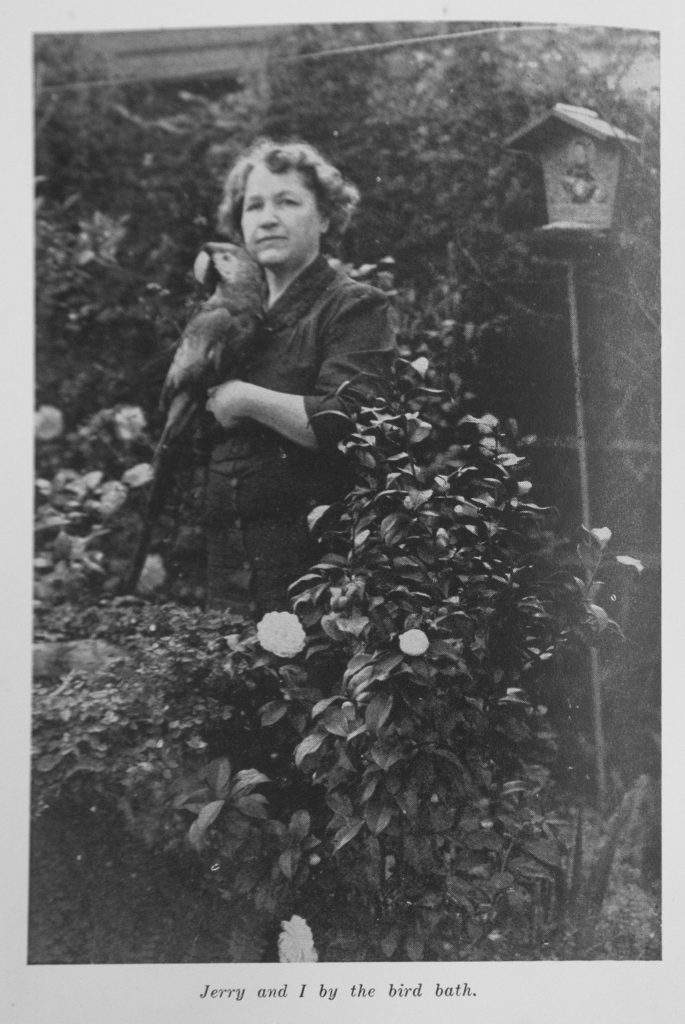
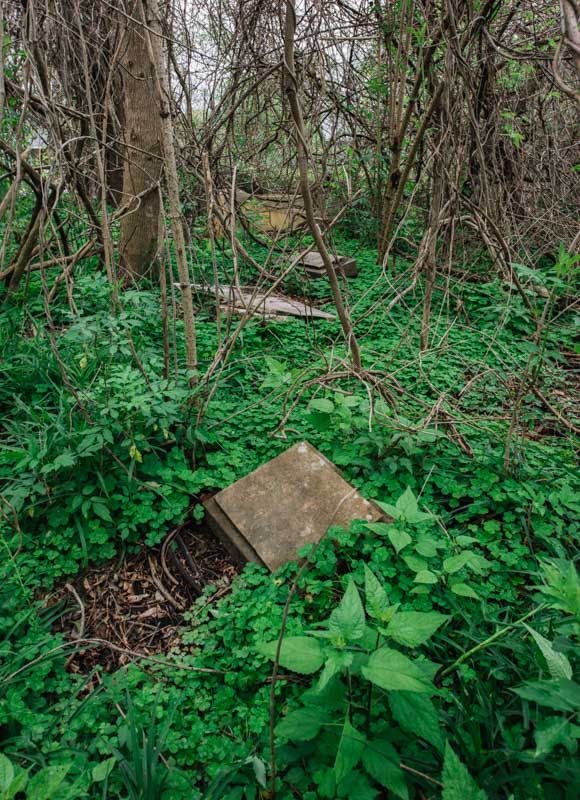
The site was known as the E.E. Matt Cemetery and the Azalea Original Pet Cemetery. The latter name is associated with the tall azalea trees that once grew beside the graves. Estimates suggest thousands of animals were buried there, including dogs, cats, birds and other pets. Grace’s own macaw, Jerry, is part of the cemetery’s history.
Dorothy’s later years and the 1985 cold case
Grace died of natural causes in August 1979, aged 88. Dorothy continued operating the cemetery. After her mother’s death, Dorothy hired Brandon Nodier for repairs and as a live-in caretaker. A property dispute followed; Dorothy alleged that she had been misled into signing documents transferring the cemetery. The ownership dispute was still active when she disappeared in April 1985.
Dorothy’s body was found in the Mississippi River on May 2, 1985, weighed down with heavy chains. Investigators concluded that she had been killed at the cemetery property and then taken to the river. The case remained unresolved for years. Nodier surrendered in 2012 and pleaded guilty to manslaughter in 2014, receiving a 10-year sentence. That later case is distinct from Grace’s earlier Missouri conviction and from unproven theories about other deaths.
What the record proves—and what it does not
Grace’s conviction in the Mary Thompson case is documented in a Missouri court opinion. Her role in establishing the pet cemetery is documented in historical accounts. Jack Thompson’s death was ruled a heart attack; rumors about a hidden fortune are not proof that Grace committed another crime. Allegations about other deaths should not be presented as established facts without supporting evidence.
HBO’s The Pet Cemetery Murders: A Ghost Story revisits Dorothy’s murder and the witness stories that helped bring the case back into focus. Claims that Dorothy’s ghost appeared to witnesses remain reported experiences, not independently verified evidence of paranormal activity.
Social-media note: I could not verify an original X/Twitter or Instagram post from Grace’s family, investigators or HBO that adds direct historical evidence. No social post has been invented; this article uses credited archival images, a court record, historical reporting and the official series trailer.
Frequently asked questions
Was Grace Wynne convicted of murder?
Yes. She was convicted of second-degree murder in the 1934 death of Mary Thompson. In 1944, the Missouri Supreme Court ordered a new trial because of a legal error.
Did Grace found the Azalea Original Pet Cemetery?
Historical accounts credit Grace with developing the cemetery on the former Toca Plantation property in Louisiana and say she ran it full-time by 1952.
Was Grace convicted in connection with Jack Thompson’s death?
No. Jack died in New Orleans in 1935, and his death was officially attributed to a heart attack. Suspicion and stories about a hidden fortune do not prove Grace was responsible.
How was Grace related to Dorothy Lou Thompson?
Grace was Dorothy’s mother. Dorothy later operated the pet cemetery and was murdered in 1985.
Does the HBO series prove the ghost stories?
No. It explores witness accounts and a murder investigation. The supernatural claims remain witness reports, not established facts.
Sources and photo credits
- Missouri Supreme Court: State v. Wynne, 182 S.W.2d 294 (1944)
- Autopsy of Architecture — Azalea Original Pet Cemetery history and archival photographs
- Abandoned Atlas Foundation — Azalea Original Pet Cemetery
- Biography.com — Dorothy Lou Thompson case timeline
- WWNO / NPR — The Pet Cemetery Murders and the cold case
- Warner Bros. Discovery — HBO October 2026 programming
By Shivam Das. Updated October 10, 2026. This article distinguishes court-documented history from allegations and folklore. Archival images are credited to their historical source; cemetery photographs © David Bulit, 2017, via Autopsy of Architecture.