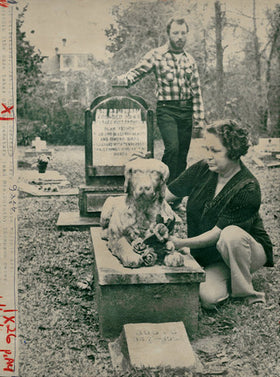
Grace Wynne Thompson—born Grace Agnes Matt—was more than the mother of Dorothy Lou Thompson. She was the woman who established the Azalea Original Pet Cemetery in Toca, Louisiana, and she had a documented, complicated legal history in Missouri before the family settled in St. Bernard Parish. The story is dramatic, but it is important to distinguish a past conviction from the final legal outcome: a 1942 second-degree murder conviction was set aside for a retrial, and later extradition proceedings failed. A later account says the charges were dismissed in 1947.
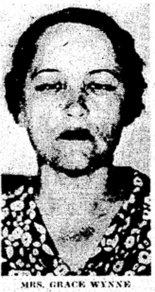
The 1934 shooting and the court case
Accounts of Grace’s early life report that on September 13, 1934, she shot Mary Thompson, the wife of her former husband John “Jack” Thompson, in Kansas City. Grace was initially found legally insane and committed to an institution. She later escaped while on leave and moved to New Orleans with her daughter Dorothy and her mother.
Grace was arrested in New Orleans in 1940 and returned to Missouri. A 1942 jury convicted her of second-degree murder and she received a 15-year sentence. That was not the end of the case: the Missouri Supreme Court ordered a new trial in 1944 because of a technical issue. Grace was released on bail and returned to Louisiana. Louisiana officials later refused an extradition request, and a later case history reports that the charges were dismissed in April 1947. Therefore, it would be misleading to describe the 1942 conviction as an unaltered final conviction.
From New Orleans to Toca, Louisiana
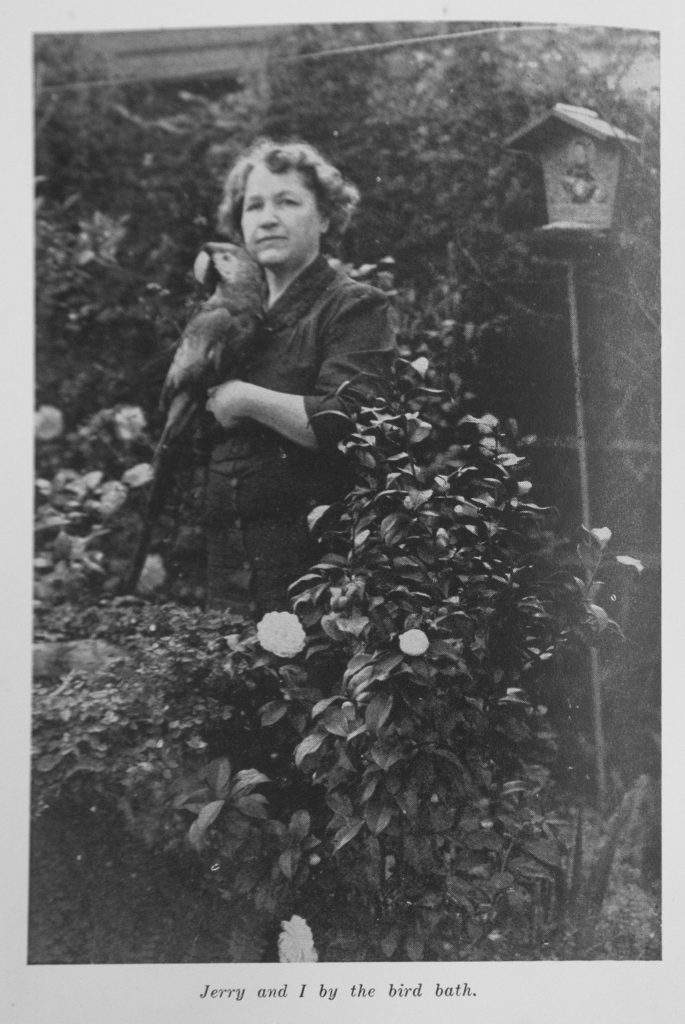
By 1946, Grace, Dorothy, and Grace’s mother had moved to the Toca area of St. Bernard Parish. The property was a former plantation with a large house and grounds. Grace’s idea for a pet cemetery reportedly grew out of her experience of losing a beloved dog in Kansas City, where she struggled to find a suitable place to bury it.
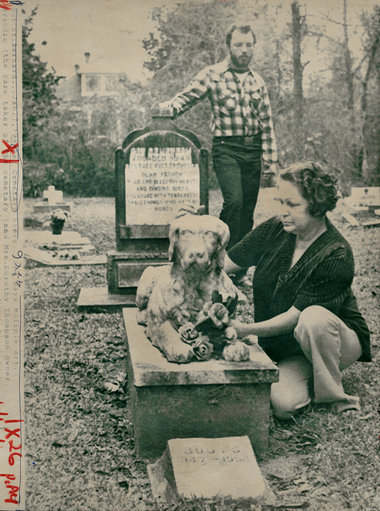
The cemetery became known as the E.E. Matt Cemetery and the Azalea Original Pet Cemetery. By around 1952, Grace was operating it full-time. Accounts describe thousands of animal burials, including dogs, cats, birds, rabbits, and more unusual pets. It became a distinctive local landmark and later the setting for the Thompson family’s tragic history.
What can be said about Grace’s “criminal past”?
There is a clear historical record of a serious criminal case, an initial conviction, and subsequent appellate and extradition developments. That is different from proving every rumour later attached to Grace. For example, stories about a hidden fortune or suspicious deaths around the family property should be treated as allegations or local lore unless supported by court records or credible reporting.
- Documented in historical accounts: Grace was charged in connection with Mary Thompson’s 1934 killing and was convicted in 1942.
- Important legal qualification: the conviction was set aside for a retrial in 1944; Grace later remained in Louisiana after an extradition request was denied.
- Reported later outcome: a case history says the charges were dismissed in April 1947.
- Not established merely by the record above: that Grace was responsible for other deaths or that rumours about hidden money were true.
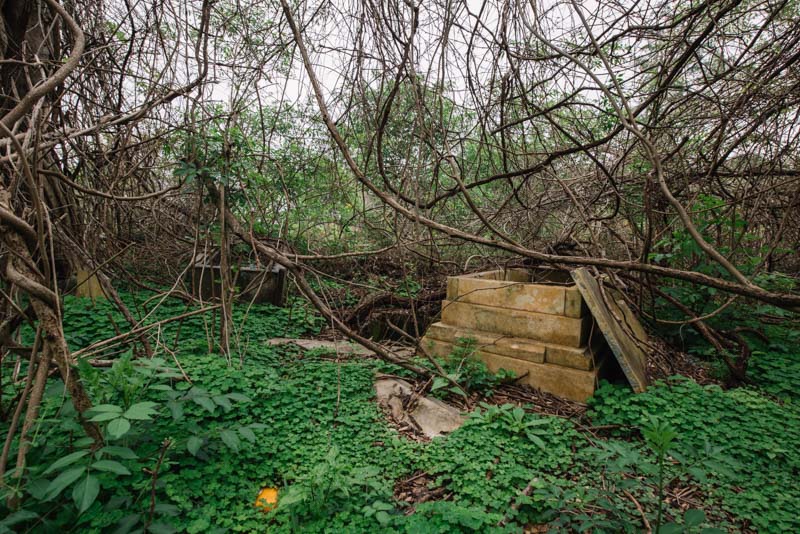
Grace, Dorothy, and the next generation of the cemetery
Grace died of natural causes in August 1979 at age 88. Dorothy inherited and operated the cemetery after her mother’s death. Years later, Dorothy’s disappearance in April 1985 and the discovery of her body in the Mississippi River turned the site into the focus of a long-running cold case. Brandon Nodier, a groundskeeper connected to a property dispute with Dorothy, pleaded guilty to manslaughter in 2014.
The family’s story should not be reduced to a label like “criminal dynasty.” Grace’s life included a documented court case, an unusual business, and a complex move across several states. The most reliable way to understand it is to keep the legal record separate from rumour and from the ghost stories that later became part of the case’s public image.
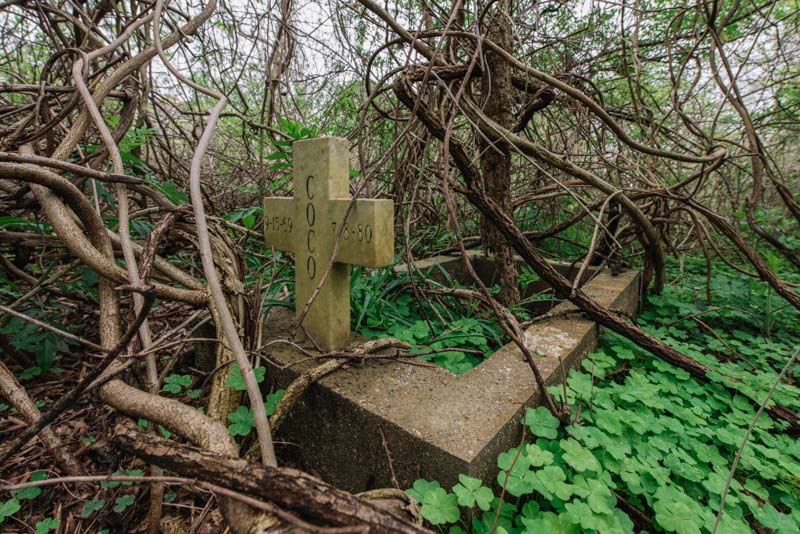
Official and historical context
The available public story is largely reconstructed from historical reporting and a detailed photo essay. The photo essay provides image captions and a narrative history, while more recent reporting on Dorothy’s case places Grace’s cemetery in the wider timeline. Because these accounts are secondary sources, any legal research project should ideally check Missouri appellate records and contemporaneous newspapers before repeating every detail as settled fact.
Read the Azalea Original Pet Cemetery photo essay · Read the Dorothy Thompson case timeline · Read FOX 8’s report on the Dorothy Thompson case
Embedded social post
The St. Bernard Parish Sheriff’s Office post below is included as a direct social source related to the wider Dorothy Thompson case. It does not independently establish Grace’s earlier Missouri court history. If Facebook embeds are blocked by your browser or theme, use the direct link.
Open the St. Bernard Parish Sheriff’s Office Facebook post
Sources
- David Bulit, Autopsy of Architecture — Azalea Original Pet Cemetery (June 12, 2020)
- The Cinemaholic — Dorothy Lou Thompson murder timeline
- FOX 8 — 2014 sentencing report
- St. Bernard Parish Sheriff’s Office — 2014 plea announcement
Bottom line: Grace Wynne Thompson had a serious, documented legal history before she founded the pet cemetery. The 1942 conviction was later set aside for retrial, and a later account reports that the charges were dismissed in 1947. Those distinctions matter when writing about a real person and a historical case.