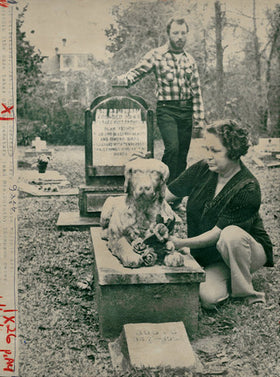
Article 26 in our 30-part series. One of the most unsettling threads in the story of Dorothy Lou Thompson is the account that a second witness came forward years after the first, saying Dorothy’s ghost had urged him to speak. The timing is often summarized as three years later, but witness accounts, published summaries and episode promotion should not be treated as interchangeable with a verified transcript or court finding. This article separates the reported story from what the public record establishes.
What is reported about the second witness?
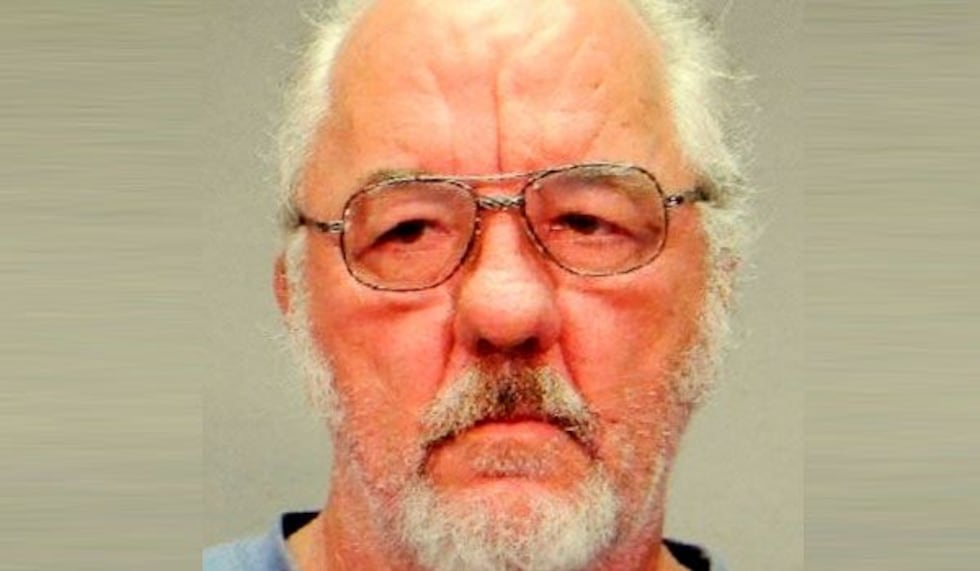
Public summaries of the case describe an initial witness account involving an alleged confession and a ghost story, followed by another witness who reportedly came forward in 2012. That later account has been associated with James J. Tregler. The central point is that this is a reported witness narrative: claims about supernatural contact cannot be independently confirmed simply because they appear in a documentary or a retelling.
The case had been reopened in 2009 by Detective John Doran after an anonymous tip. The reported witness information formed part of the renewed investigation into Thompson’s 1985 killing. Readers should consult original reporting and the documentary itself for the precise wording, chronology and context of each statement.
Why the 2012 account mattered to the cold case
In a cold case, new information can give investigators a reason to re-examine old leads, interview people again or test a previously unpursued theory. A witness statement is not the same thing as proof on its own; investigators must evaluate the statement against corroborating details, other evidence and the applicable legal process.
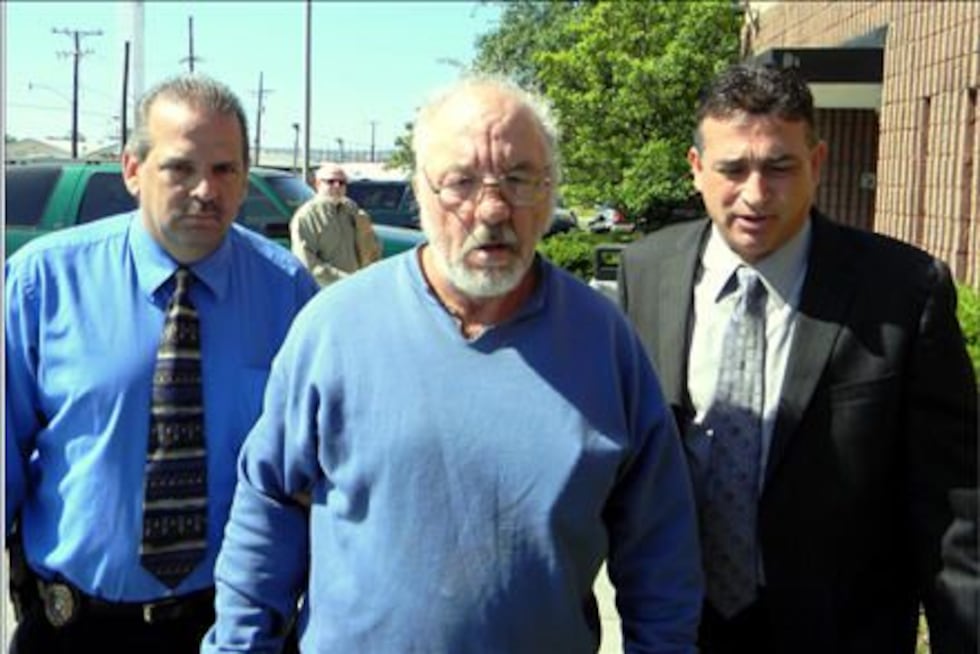
Brandon Nodier later pleaded guilty to manslaughter in July 2014 and received a 10-year sentence. That legal outcome is an established fact. The ghost story, by contrast, remains a reported element of the witness narrative and should not be presented as the proven mechanism by which the case was solved.
What do we know about the investigation?
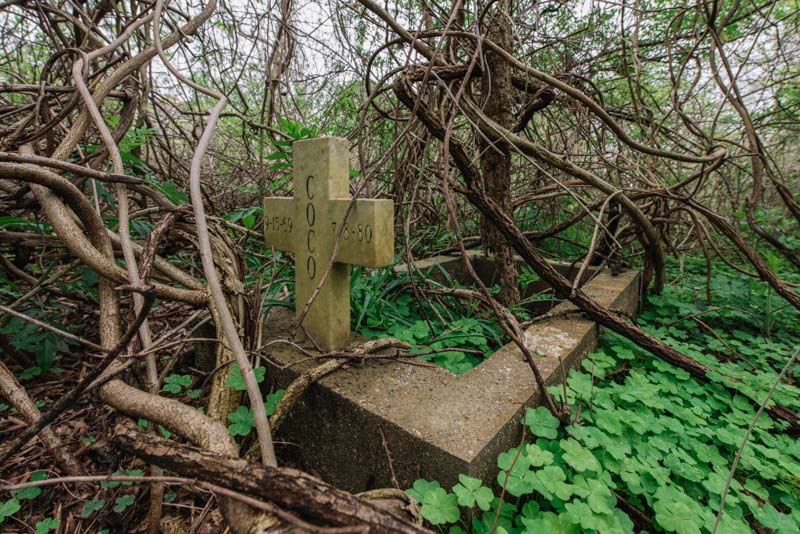
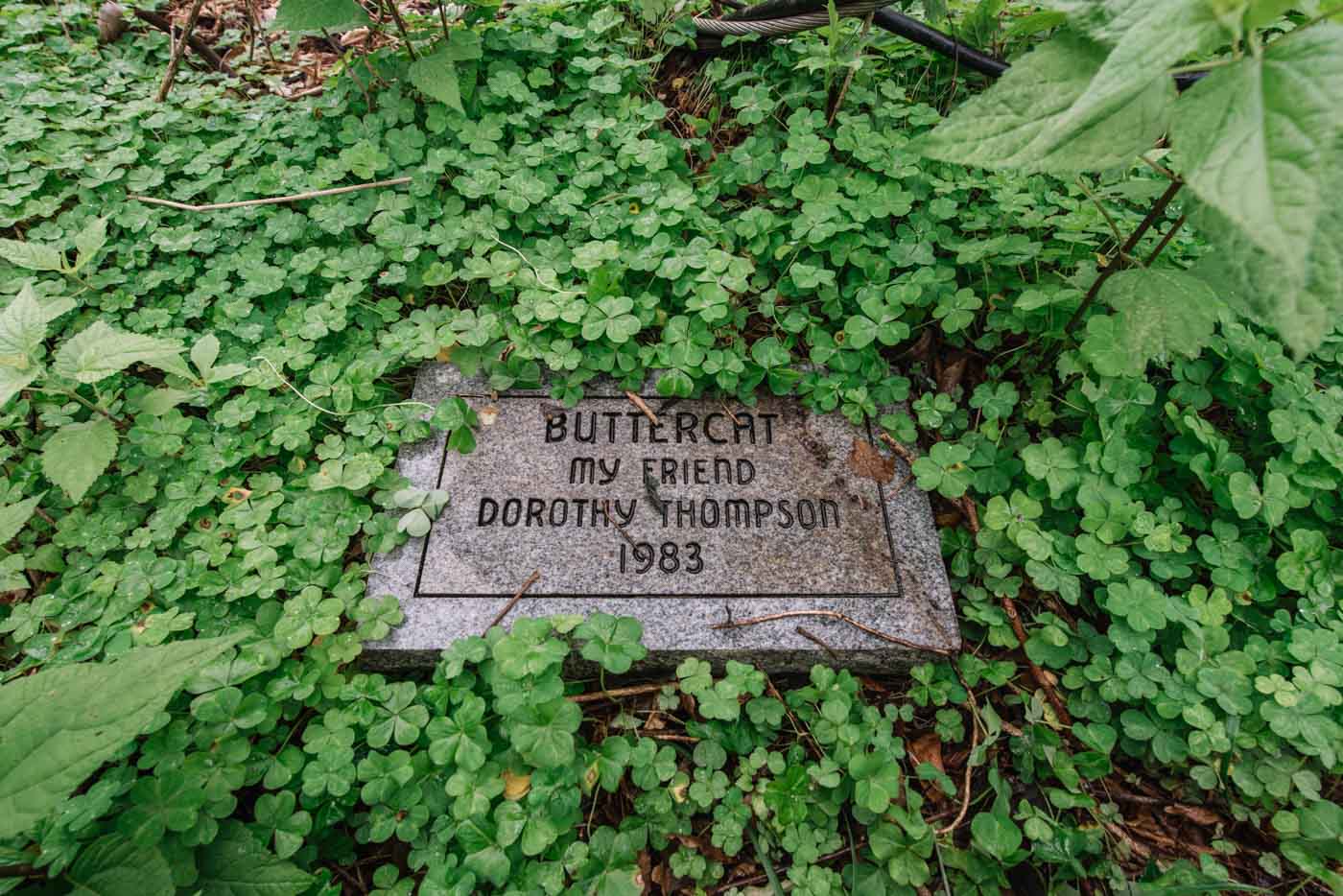
Dorothy Thompson disappeared in April 1985; her body was found in the Mississippi River in May. She had owned Azalea Original Pet Cemetery in Toca, within St. Bernard Parish, Louisiana. The case remained unresolved for years before Detective John Doran reopened it in 2009 after an anonymous tip. The publicly reported timeline places the second witness’s account in 2012 and Nodier’s guilty plea in 2014.
Watch the official trailer
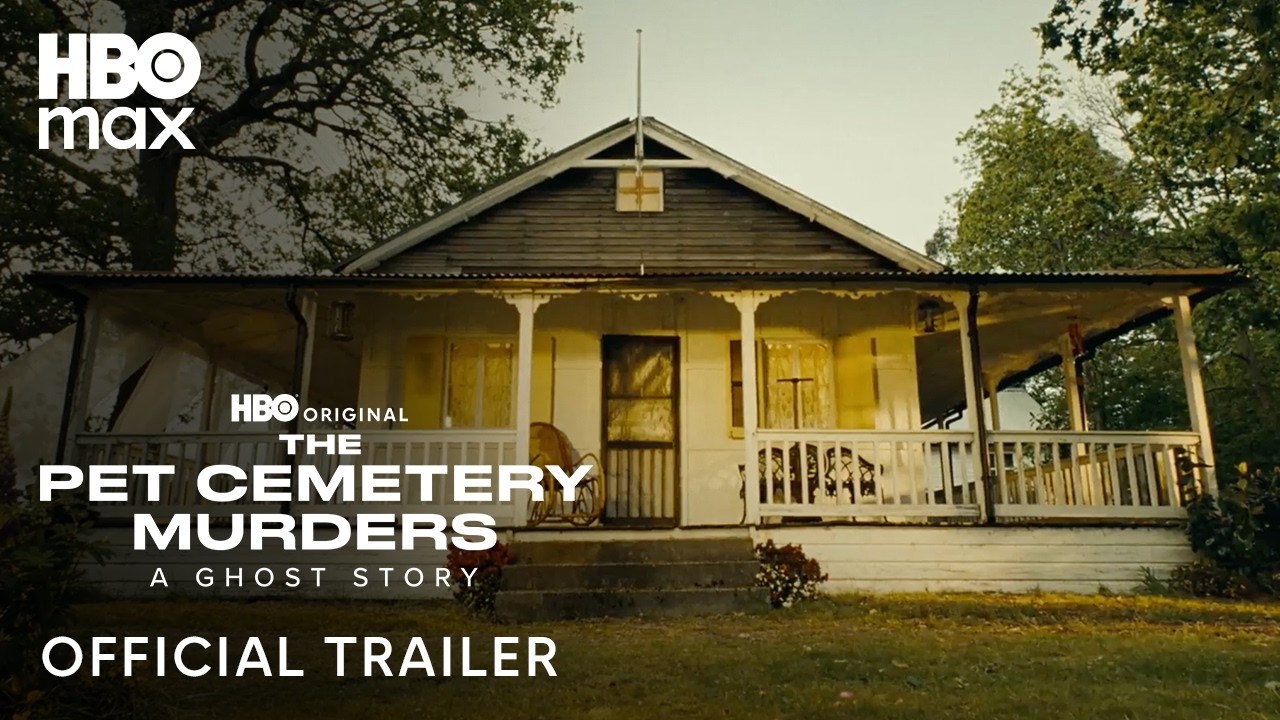
The official trailer previews the documentary’s blend of homicide investigation and reported supernatural testimony. Promotional editing is not a substitute for the full episode, court records or independent reporting.
Frequently asked questions
Who was the second witness?
Public summaries identify James J. Tregler as a later witness who reportedly came forward in 2012. For exact details and quotations, check the original reporting and documentary context.
Did the witness prove Dorothy’s ghost existed?
No. A witness’s account of a supernatural experience is a claim, not independent verification of a paranormal event.
When was the case reopened?
Detective John Doran reportedly reopened the case in 2009 after an anonymous tip.
Was anyone convicted in the case?
Brandon Nodier pleaded guilty to manslaughter in July 2014 and received a 10-year sentence.
Where can I learn more?
Review local reporting, the sheriff’s office update and the official HBO production announcement linked below. These sources provide different kinds of context, so distinguish official credits, reported witness claims and legal outcomes.
Sources and further reading
- St. Bernard Parish Sheriff’s Office — Detective John Doran and the HBO cold-case documentary
- WVUE/FOX 8 — reporting on the suspect charge
- WVUE/FOX 8 — Nodier sentencing report
- WWNO/NPR — case background and the intersection of faith and investigation
- Warner Bros. Discovery — official HBO October programming and credits
- Autopsy of Architecture — cemetery history and photographs
Editorial note: This article distinguishes reported witness claims from established legal outcomes. Real-person archival images are credited at point of use; check third-party licensing before commercial reuse. No X/Twitter or Instagram post is embedded unless an authentic, relevant public post can be verified.