Article #13: True Crime Meets Ghost Story: Why HBO’s Pet Cemetery Murders Is Different From Every Other Doc
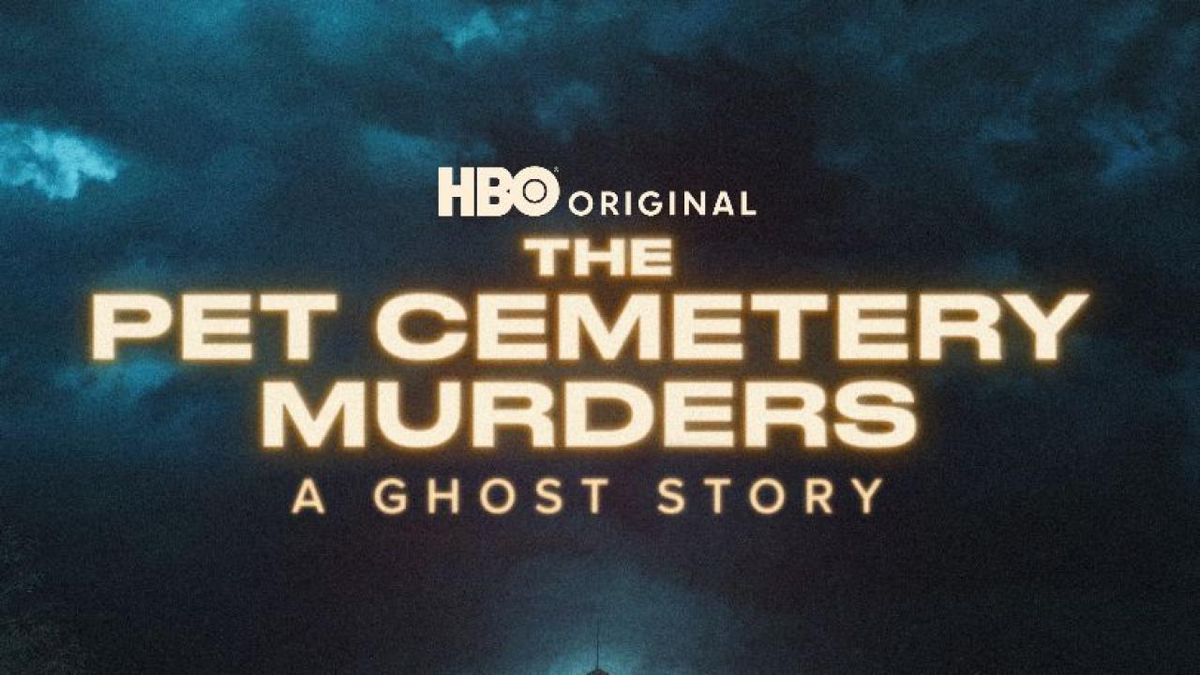
HBO’s The Pet Cemetery Murders: A Ghost Story begins with a documented crime: the 1985 killing of Dorothy Lou Thompson, who operated the Azalea Original Pet Cemetery in rural Louisiana. What makes the three-part documentary unusual is the way it places a cold-case investigation beside witness accounts that Dorothy’s ghost urged them to speak up. The supernatural element is part of the story people told investigators; it is not independently verified evidence that ghosts exist.
The series premieres Sunday, October 11, 2026, at 9 p.m. ET/PT on HBO, with later installments scheduled for the following Sundays. HBO describes it as an investigation that expands into a wider portrait of a community shaped by violence, secrets and unresolved history. HBO and the published series announcement provide programme details. RogerEbert.com’s review also notes that the film is not related to Stephen King’s Pet Sematary.
1. It starts with a real cold case, not a fictional monster
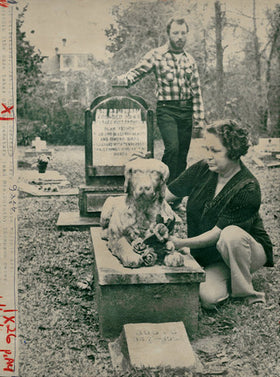
Dorothy Lou Thompson disappeared in April 1985. Her body was found in the Mississippi River weeks later, weighted down with chains. The investigation did not produce a quick resolution, and the case remained cold for years. The documentary’s foundation is therefore not a fictional haunting but the unanswered questions surrounding a real woman’s death and the people who knew her.
That distinction matters. A true-crime documentary has a responsibility to separate established facts, court outcomes, witness recollections and unanswered questions. The ghost story may be the hook, but it cannot substitute for the evidence.
2. The supernatural claims are reported as testimony, not proof
The case drew renewed attention after witnesses said they had been prompted by Dorothy’s ghost to share information. Detective John Doran reopened the investigation in 2009 after a tip connected to an alleged confession. A second witness, James J. Tregler, a former assistant groundskeeper, came forward in 2012.
These accounts are striking, but a careful reading keeps two things separate: what a witness said happened, and what investigators could corroborate. The available reporting documents the witnesses’ claims; it does not establish a paranormal explanation as fact. The documentary’s distinctive tension comes from that collision between unusual testimony and conventional police work.
3. The investigation has a documented legal outcome
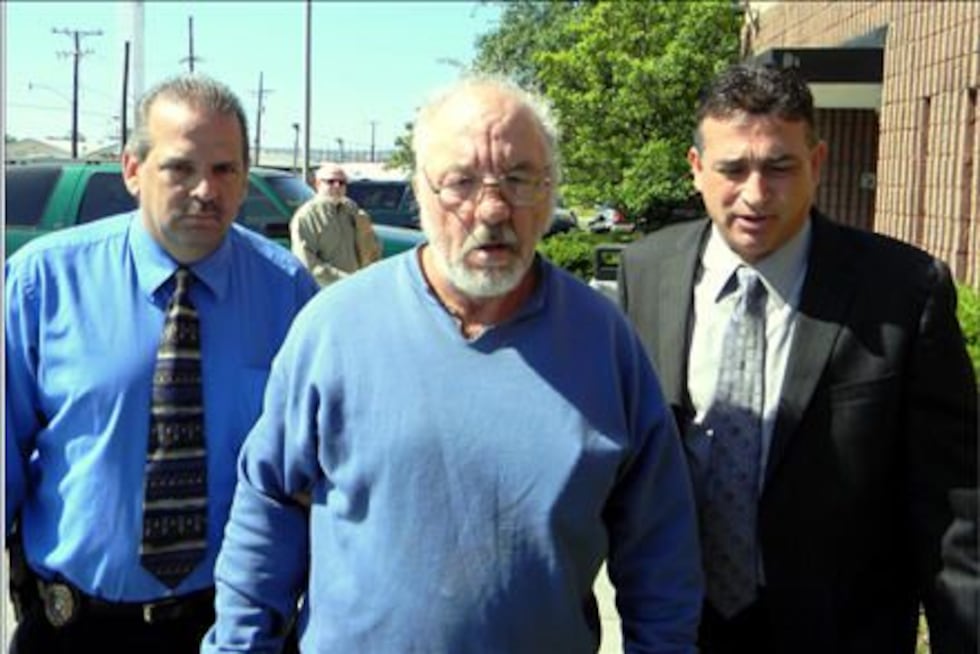
The documentary’s eerie framing should not obscure the case’s legal record. Brandon Nodier, who had been suspected in the killing, pleaded guilty to manslaughter in July 2014 and received a 10-year sentence. The distinction is important: he pleaded guilty to manslaughter, not to second-degree murder. Contemporary local reporting and the parish sheriff’s office documented the plea and sentence.
That outcome gives the story a grounded criminal-justice timeline even as the witness accounts add a ghost-story dimension. The core questions remain about what reopened the case, what information investigators received and how that information contributed to the legal resolution.
4. The setting is part of the storytelling
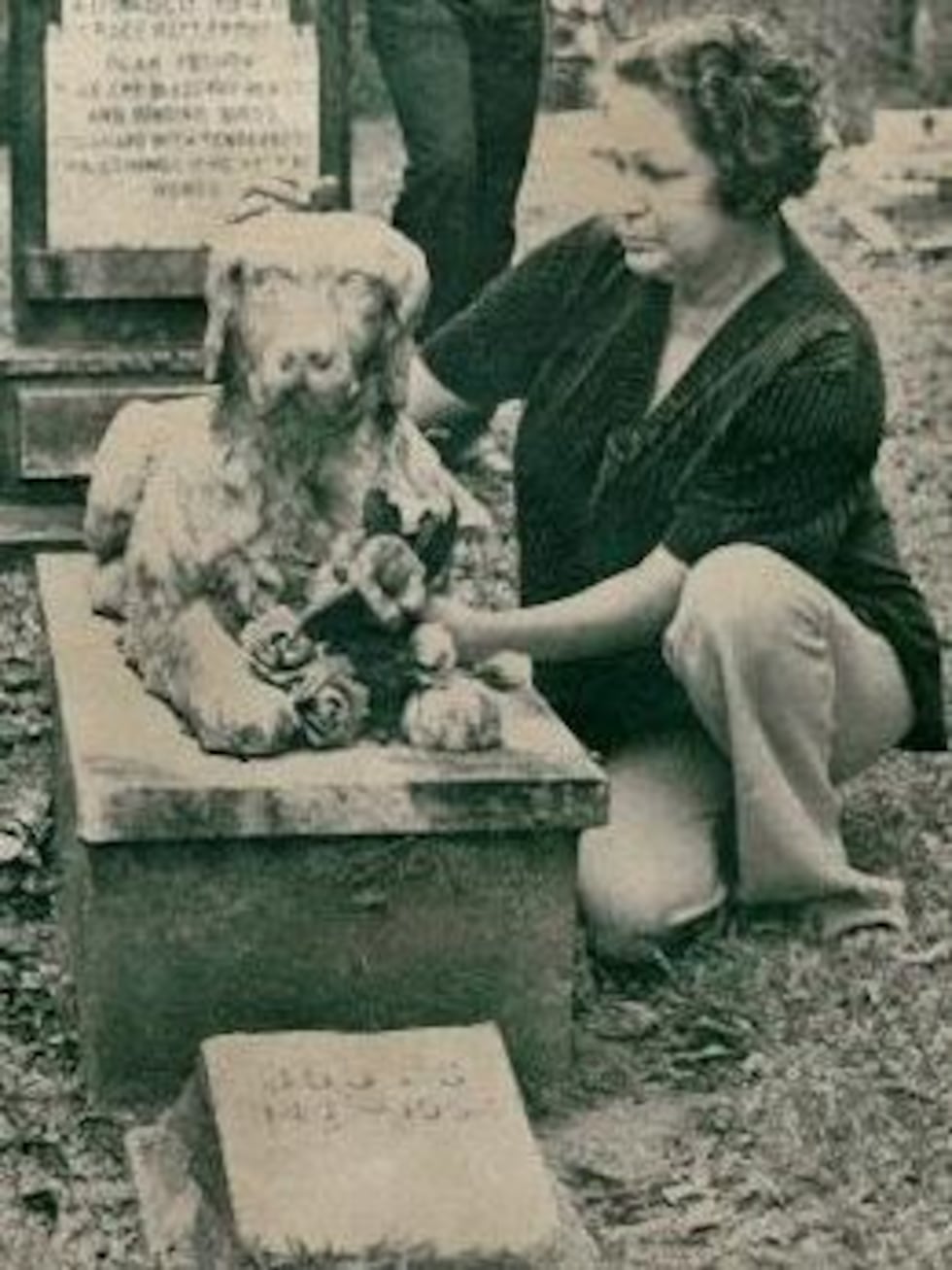
Azalea Original Pet Cemetery, in the bayou landscape outside New Orleans, is more than a backdrop. The location’s reputation for being cursed and its layers of family history help explain why the case has lived on in local memory. The setting can make the story feel like Southern Gothic fiction, but the historical location and the murder investigation are real-world subjects.
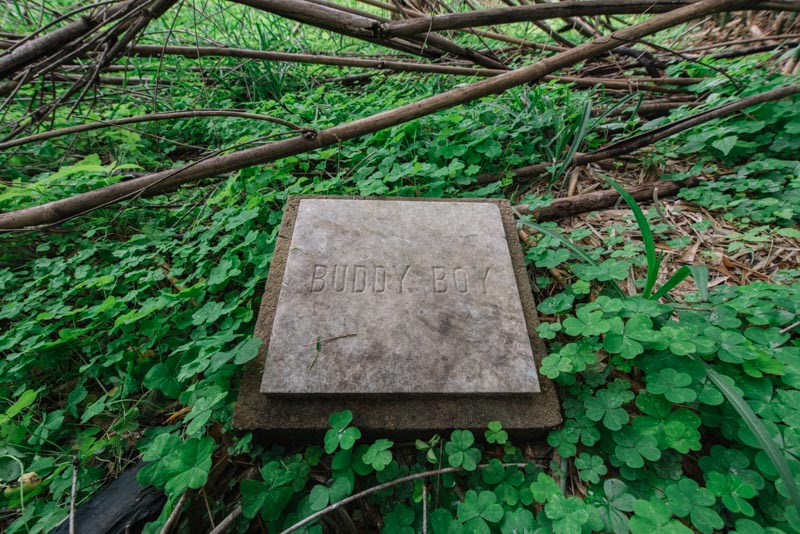
The series also looks beyond the murder to the community’s wider history. That broader scope separates it from a simple whodunit: the case is one doorway into a place where old disputes, violent episodes and local legends overlap.
5. Family history complicates the story
Dorothy’s mother, Grace Wynne, and the cemetery’s origins are part of the history surrounding the case. Accounts of Grace’s earlier criminal proceedings are complicated and should be described with care: a later retrial order does not itself establish acquittal, and a dramatic family history should not be used to imply guilt in Dorothy’s murder without evidence.
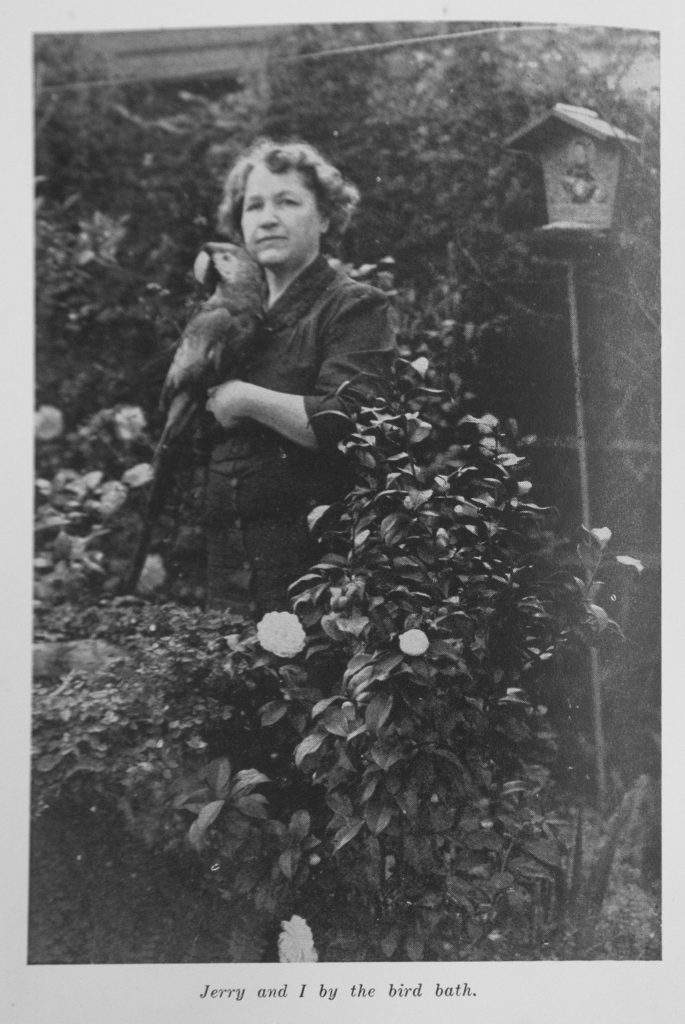
This kind of context can make a documentary richer, but it also raises the bar for precision. A relative’s past, a witness’s belief or a local legend should not be treated as proof of another person’s actions.
6. Why this feels different from a conventional true-crime series
- Two kinds of uncertainty: investigators must evaluate both the murder evidence and the witnesses’ extraordinary explanations for coming forward.
- Place shapes the mood: the Louisiana bayou and the cemetery’s reputation contribute atmosphere without making the story fictional.
- Community memory matters: the series considers how stories persist while a case remains unsolved.
- The legal record remains central: the documented manslaughter plea and sentence provide a factual anchor for the narrative.
- It is a documentary, not a Stephen King adaptation: despite the title’s resemblance, the case is not connected to Pet Sematary.
In his RogerEbert.com review, critic Brian Tallerico observes that director Philip Cairney allows interview subjects room for conflicting memories and beliefs rather than leaning entirely on familiar true-crime dramatics. That approach may appeal to viewers who prefer atmosphere and testimony over sensational reenactments.
Watch the official trailer
Social media embed note: I could verify the official trailer and published reporting, but I could not verify a specific original X/Twitter or Instagram post suitable for embedding in this article. To avoid fabricating a social post or attributing an unverified post to a real person, this article uses the official trailer and links to reporting instead.
When and where to watch
The Pet Cemetery Murders: A Ghost Story premieres on HBO on Sunday, October 11, 2026, at 9 p.m. ET/PT, and is available to stream on HBO Max. New episodes are scheduled weekly. Viewers outside the United States should check local listings for regional availability and release timing.
Frequently asked questions
Is The Pet Cemetery Murders a true story?
Yes. It examines the real 1985 murder of Louisiana pet cemetery owner Dorothy Lou Thompson and the investigation that later led to a legal resolution.
Did Dorothy Thompson’s ghost really solve the case?
Some witnesses said they were haunted or prompted by Dorothy’s ghost. Those are witness claims, not independently established proof of paranormal activity. Investigators still had to assess the information they provided.
Was Brandon Nodier convicted of murder?
Nodier pleaded guilty to manslaughter in July 2014 and received a 10-year sentence. That is the documented legal outcome.
Is the HBO series connected to Stephen King’s Pet Sematary?
No. The HBO documentary concerns a real Louisiana cold case and is not an adaptation of Stephen King’s novel.
Who directed the series?
Philip Cairney wrote and directed the three-part documentary, produced by Lightbox for HBO.
Sources and image credits
- HBO — official programming information
- BroadwayWorld — series announcement and credits
- RogerEbert.com — Brian Tallerico’s documentary review
- Biography.com — Dorothy Lou Thompson case timeline
- FOX 8 — 2014 manslaughter sentence report
- WWNO / NPR — interview with the documentary’s director
- Image credits: HBO / Warner Bros. Discovery via BroadwayWorld; local-news archival images via WVUE/FOX 8; cemetery and family-history photographs via Autopsy of Architecture.
By Shivam Das. Updated October 10, 2026. This article distinguishes documented case outcomes from witness claims and local legends.