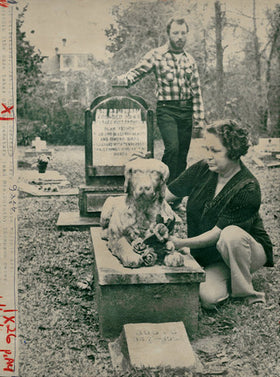
Was Dorothy Lou Thompson’s 1985 murder covered up for decades? The available public record supports a more precise and less sensational explanation: investigators suspected a connection early on, but the case lacked enough evidence for an arrest and prosecution until a witness came forward decades later. No reliable public source reviewed for this article establishes a coordinated official cover-up. The long delay reflected evidentiary problems, witness reluctance and questions over which parish had jurisdiction.
What happened in 1985?
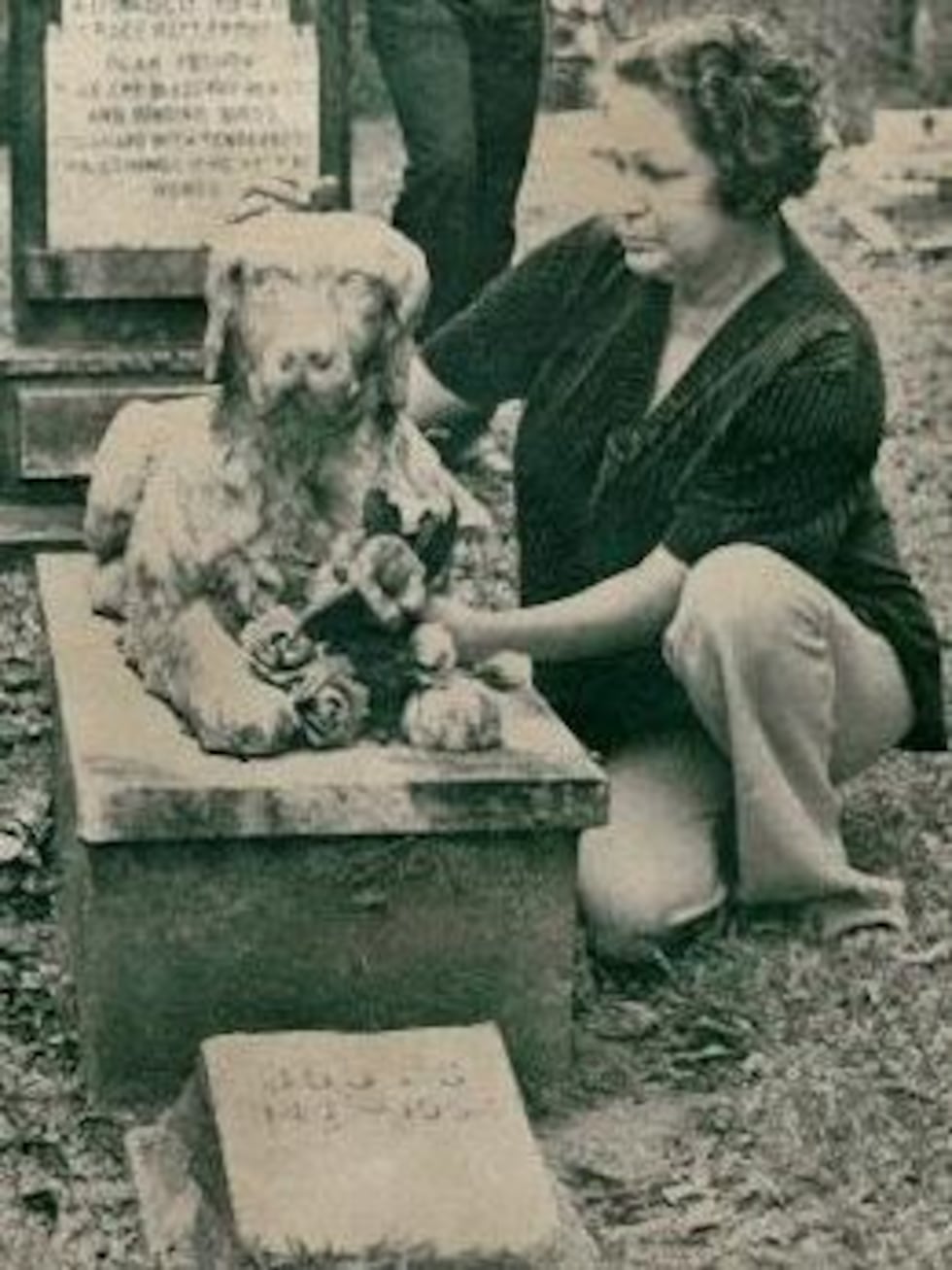
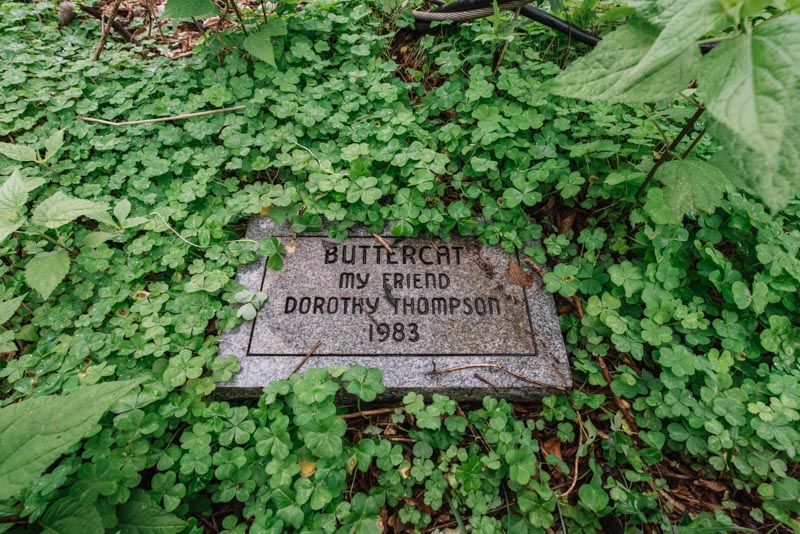
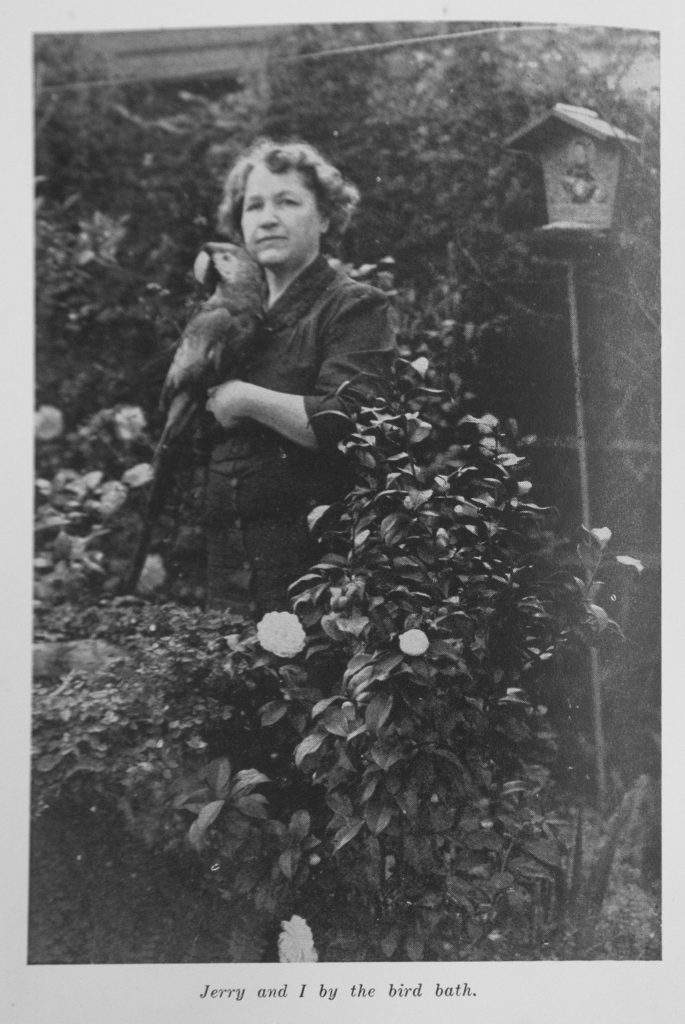
Thompson owned the Azalea Original Pet Cemetery in eastern St. Bernard Parish, Louisiana. She disappeared in mid-April 1985, around the time a court proceeding was approaching in a dispute involving the property. On May 2, fishermen found her body in the Mississippi River in neighboring Plaquemines Parish. Officials said she had been suffocated and her body was weighted down with chains.
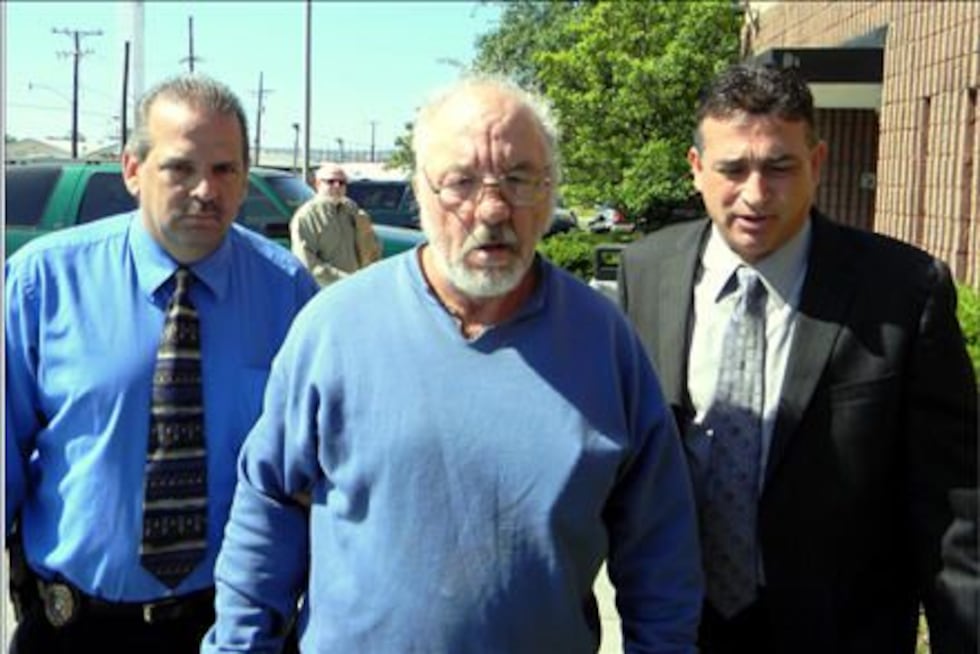
Investigators later identified groundskeeper Brandon Nodier as the person who killed Thompson. At the time, however, suspicion was not the same as evidence that could support an arrest and a successful prosecution. A 2012 FOX 8 report quoted then-investigators saying Nodier had been a prime suspect but that they previously lacked sufficient evidence to arrest him.
Why the investigation took so long
In its July 2014 account, the St. Bernard Parish Sheriff’s Office said a witness came forward in 2012 and claimed to have seen Nodier kill Thompson and dispose of her body in the river. The sheriff’s office described the case as relying almost entirely on this witness’s testimony. Nodier was indicted for second-degree murder in April 2012, then pleaded guilty to manslaughter in July 2014 and received a 10-year prison sentence.
Reuters reporting at the time added that investigators had revisited the case in 2009 and interviewed dozens of witnesses. It also reported that evidence had been lost, including crime-scene photographs during Hurricane Katrina, and that prosecutors faced uncertainty about the witness’s willingness to testify. Those obstacles are documented reasons a cold case can remain unresolved; they are not proof that authorities deliberately concealed the crime.
The jurisdiction question
One practical complication was where Thompson had been killed. She lived in St. Bernard Parish, while her body was found in Plaquemines Parish. The sheriff’s office’s 2014 release explicitly noted that the location uncertainty complicated the case from the beginning. Investigators also faced the challenge of building a prosecutable case decades after the event, when memories fade and physical evidence may no longer be available.
Contemporary reporting described a property dispute as the suspected motive. Investigators said Thompson had taken legal action after a transaction involving the land, and a court date was approaching when she vanished. This motive was presented by law enforcement; readers should distinguish investigators’ theory from a complete, independently tested trial record.
Did anyone deliberately suppress the case?
The public sources reviewed do not establish a planned cover-up by police, prosecutors or local officials. The record instead describes a case that remained unsolved because authorities said they lacked solid evidence, then moved forward when a witness provided new information. It is fair to scrutinize why the case took so long and what evidence was missing, but describing the delay as a proven cover-up would go beyond what the cited records show.
The case also became surrounded by stories about ghost sightings and paranormal experiences. These accounts contributed to its reputation, but they do not demonstrate that officials suppressed evidence. The documented turning point was witness information that investigators could pursue through ordinary investigative and legal processes.
Official records and local reporting
- St. Bernard Parish Sheriff’s Office, July 11, 2014 — official account of the plea, witness evidence and investigative challenges.
- FOX 8 WVUE, April 25, 2012 — report on Nodier’s indictment and the investigation’s earlier evidence gap.
- FOX 8 WVUE, July 11, 2014 — report on the manslaughter plea and sentence.
- Reuters, republished by Yahoo News, July 2014 — reporting on the reopened investigation and lost evidence.
Official social post about the case
The St. Bernard Parish Sheriff’s Office has also posted an official update about its deputy chief’s role in the HBO documentary. The post confirms the office’s involvement in revisiting the decades-old case; it does not claim that a cover-up was established.
Read the St. Bernard Parish Sheriff’s Office Facebook post about Deputy Chief John Doran and the documentary.
Editorial note: This article uses “covered up” as a question to examine the long delay, not as a proven fact. The sources support a decades-long cold case and documented evidentiary hurdles, but do not establish a coordinated cover-up. Photographs are credited to their publishers or photographer; image reuse permissions should be confirmed with the rights holders.