

Netflix’s Below has an early ratings split that raises a familiar question for streaming audiences: why can a show impress professional reviewers while leaving a more divided impression on viewers? In ratings snapshots reported around October 9–11, 2026, the Newfoundland-set thriller was listed at roughly 82% among critics and 60% among audience raters on Rotten Tomatoes-related trackers. Those figures are a dated snapshot, not a permanent verdict: scores can move as more reviews and audience ratings arrive.
The short answer: critics and viewers often judge different things. Critics may weigh originality, performances, atmosphere, and genre ambition; audiences may place more emphasis on pacing, plot logic, character choices, and whether a finale delivers the experience they expected. With Below, the gap appears to reflect a show whose unusual mix of sea-monster horror, small-town drama, and environmental themes works better for some viewers than for others.
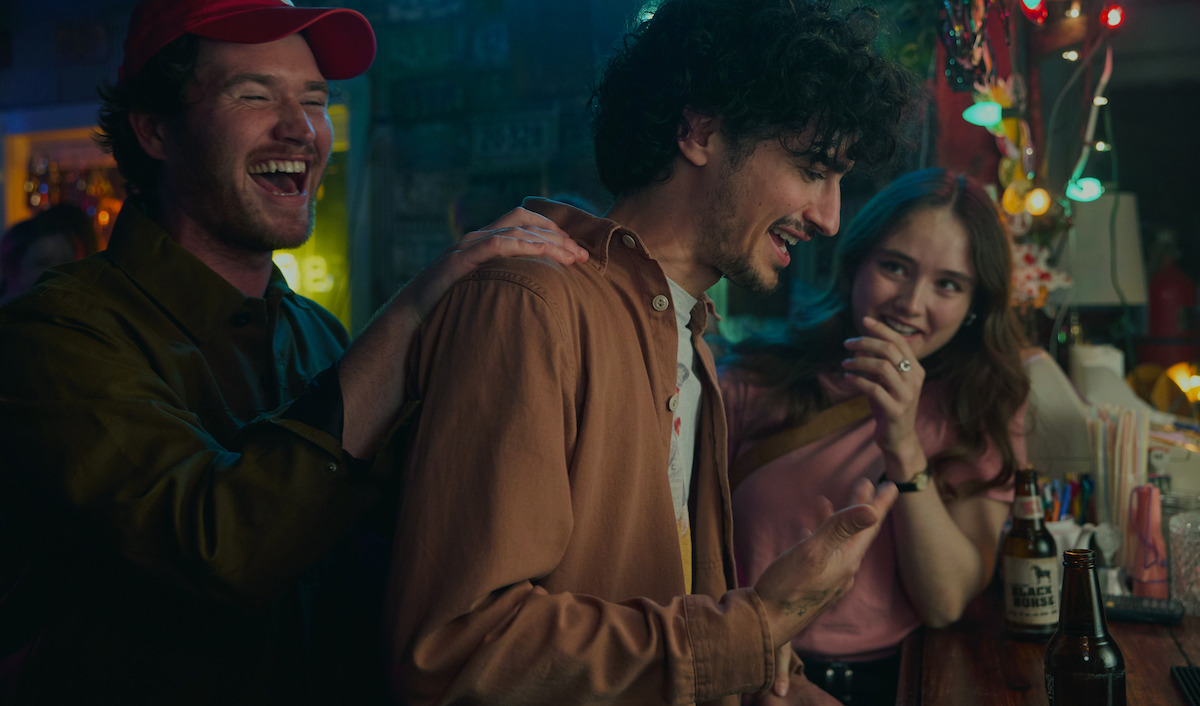
First, what do the 82% and 60% scores actually mean?
A Rotten Tomatoes Tomatometer score is the share of counted critic reviews classified as positive under the site’s methodology. The Popcornmeter is a separate audience measure based on eligible audience ratings. Neither number is a school grade, a direct measure of how much someone loved the series, or a prediction of whether an individual viewer will enjoy it.
That distinction matters. An 82% critic score does not mean critics think Below is “82% good,” and a 60% audience score does not mean 40% of viewers hated it. The percentages summarize different pools of responses. The underlying review count, audience sample, rating distribution, and date of capture all matter. Rotten Tomatoes’ Below series page is the best place to check the current listing, while the JustWatch U.S. page can provide a separate snapshot of ratings and streaming-chart context.
Why critics may be responding more warmly
1. The setting gives the series a distinct identity. Below takes place in a remote Newfoundland fishing community, where the sea is both a livelihood and a source of danger. The landscape, local customs, and feeling of isolation help it stand apart from a generic monster thriller. Netflix’s official series guide confirms that the production was filmed in Newfoundland and describes the story as a fight to protect a community and its vanishing way of life.
2. It aims for more than creature scares. The central mystery is tied to family history, local power, and the future of the town. That ambition can appeal to critics who value genre stories that use horror to explore larger ideas. It can also divide viewers who mainly want a fast, tightly plotted monster story. A show can be interesting because it takes risks without every risk paying off for every audience member.
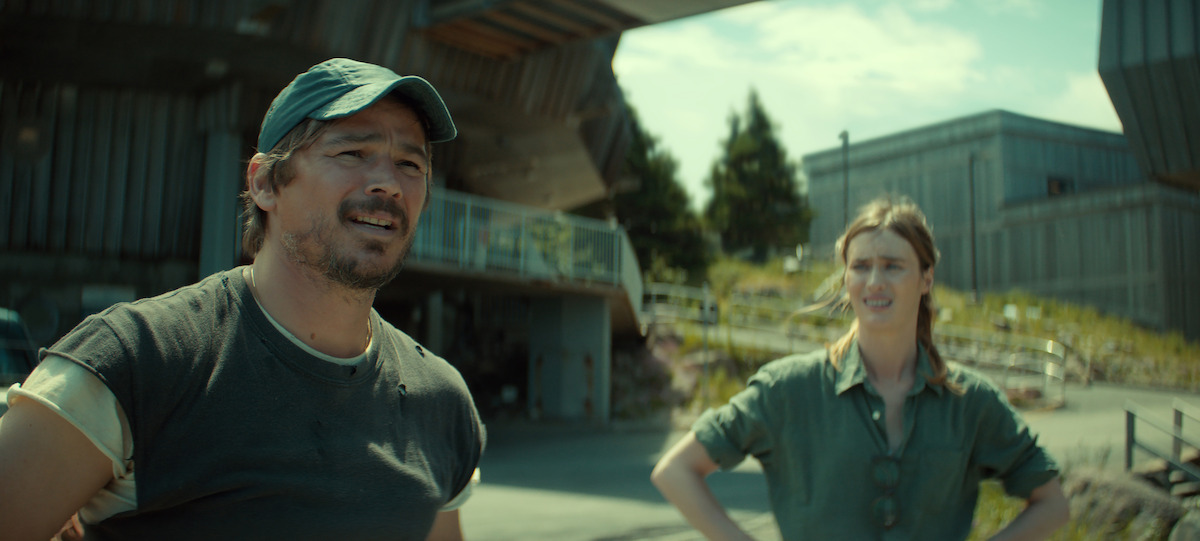
3. Performances and atmosphere can outlast plot frustrations. Critics may value a lead performance, the mood of a scene, the score, or the way a director builds tension even when a subplot is uneven. Early critical coverage has highlighted the show’s atmosphere and performances, while also noting concerns about pacing and story density. That combination helps explain why a series can earn favorable reviews without becoming a universal audience favorite.
Why some viewers may be less convinced
1. Expectations can be different. The marketing presents a mysterious sea creature and a threatened town, so some viewers may arrive expecting a straightforward creature feature. The series also spends time on family relationships, local politics, folklore, and community survival. If those strands feel like welcome depth, the mix works; if they feel like detours from the central threat, the experience can be frustrating.
2. A mystery creates a promise. When a show introduces strange events and hidden histories, viewers expect answers that feel proportionate to the buildup. Some audiences are patient with ambiguity; others want each major reveal to be clearly motivated and emotionally satisfying. Different standards for what counts as a successful payoff can widen the critic-audience divide even when both groups notice the same strengths.
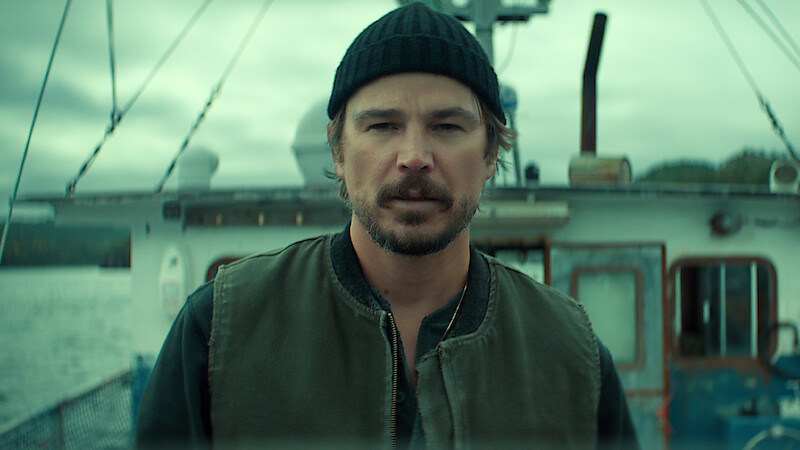
3. Tone is subjective. Below blends unsettling horror with eccentric characters and moments of humor. That contrast can make the show feel unusual and memorable, but it can also interrupt tension for viewers who want a consistently serious thriller. Neither response is inherently wrong; they reflect different expectations about what the series should be.
4. Early audience scores can be volatile. A title that has only recently premiered may still be accumulating ratings. A relatively small or self-selecting group of early raters can influence a percentage more noticeably than a much larger, mature sample. Scores may also vary across platforms because their users, rating scales, and methods are different. It is more useful to track the score and the number of ratings over time than to treat one number as final.
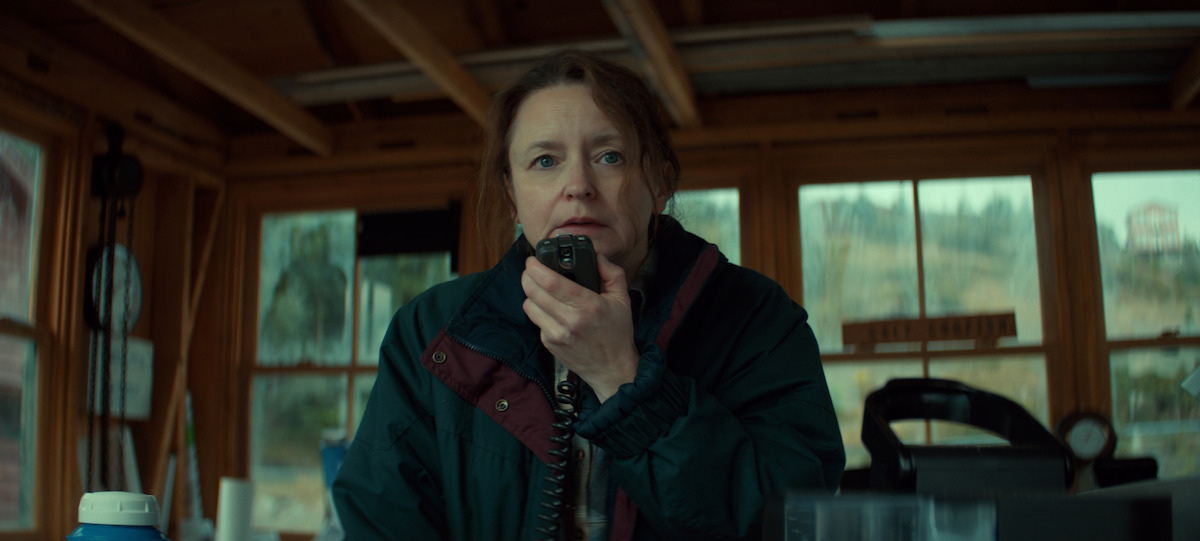
Is the critic-audience gap proof that Below is overrated?
No. A gap is evidence of different reactions, not proof that one group is correct. Critics are not automatically more discerning, and audience ratings are not automatically more authentic. Professional reviews tend to explain a work in relation to craft, genre, and wider television trends. Audience scores capture a different kind of response, often shaped by enjoyment, expectations, and personal taste.
A more useful question is what you want from the show. If you like atmospheric horror, an unusual setting, family conflict, and a mystery that shares space with social themes, the critical response may help explain its appeal. If you mainly want relentless action, airtight plotting, or a creature reveal that dominates every episode, the audience split is a reason to read a few spoiler-free reviews before committing.
What to watch for before deciding
- Give the premise room to develop. The mystery is connected to the community, not just to the creature.
- Notice the balance of horror and humor. Whether that contrast works for you is likely to shape your reaction.
- Separate craft from preference. You can recognize strong performances or striking visuals and still dislike the pacing or story direction.
- Check the live ratings directly. The figures discussed here are an early-October 2026 snapshot. Ratings and review counts can change, so verify the current figures before quoting them elsewhere.
Quick answer: Why is Below’s audience score lower than its critics’ score?
Early October 2026 ratings snapshots placed Below at about 82% with critics and 60% with audiences. The gap likely reflects different expectations: critics have praised elements such as atmosphere, performances, and the show’s distinctive Newfoundland setting, while some viewers may be less satisfied with its pacing, tonal shifts, or the balance between the sea-monster plot and its family and community storylines. These percentages can change as more ratings are submitted.
Frequently asked questions
What was Below’s Rotten Tomatoes score in early October 2026?
Some ratings trackers reported a critic score around 82% and an audience score around 60% in early October 2026. Treat those as a dated snapshot and check Rotten Tomatoes directly for its current listing.
Does an 82% critic score mean 82% of critics gave Below a perfect review?
No. The Tomatometer represents the share of counted critic reviews classified as positive, not the share of perfect scores or an average grade of 82 out of 100.
Why can audience scores differ from critic scores?
Critics and general viewers may prioritize different things, including originality, performance, pacing, plot logic, genre expectations, and emotional payoff. The groups also submit ratings through different processes and at different times.
Can Below’s audience score change?
Yes. Ratings can shift as more eligible audience ratings are added and as review samples grow. Always include the date when citing a score.
Where can I check Below’s current ratings?
Use the Rotten Tomatoes page for Below and compare it with a tracker such as JustWatch’s U.S. listing. Different services may show different metrics.
Author: Shivam Das
Image credits: Jan Thijs/Netflix, via Netflix Tudum. Images are official promotional stills; reuse is subject to the source’s applicable rights and terms.






