

By Shivam Das | October 12, 2026
Spoiler-light analysis: this article distinguishes the show’s fictional events from real geography and production details.
Newfoundland gives Netflix’s Below something a studio set can struggle to imitate: a coastline that feels beautiful, remote, and potentially unforgiving before the horror begins. The thriller’s sea creature is fictional, but the world around it is grounded in a real maritime region. That distinction is the key to understanding why the iceberg imagery works.
Quick answer: Below grounds its horror by filming in Newfoundland and using the region’s rugged coast, working-waterfront details, and real iceberg geography as a believable backdrop. Available production information does not confirm that every iceberg shot is unaltered documentary footage; the supernatural threat remains fiction.
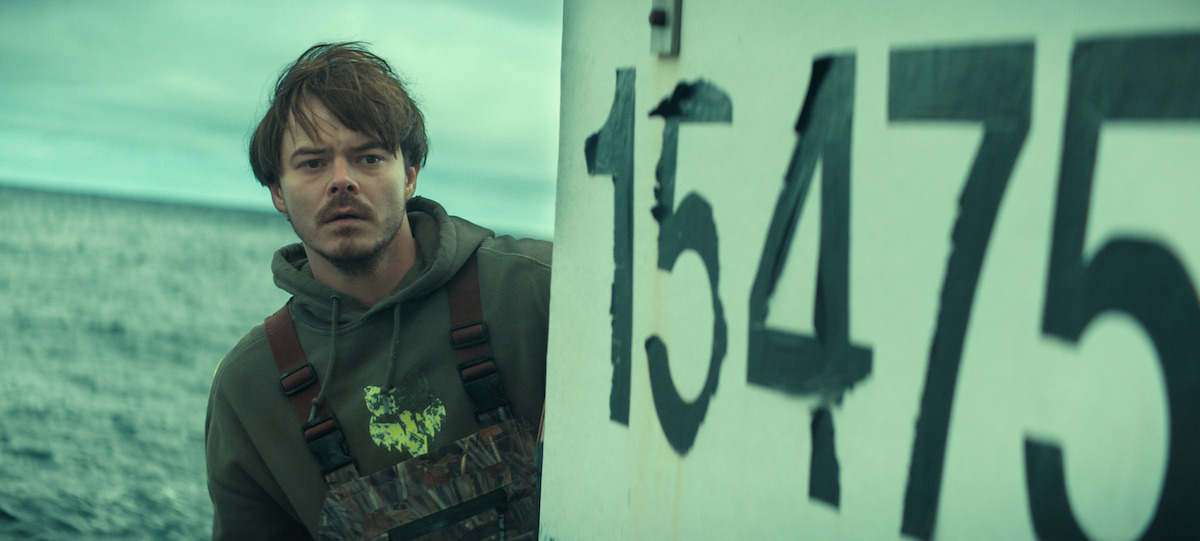
Newfoundland is part of the story, not just a backdrop
Netflix’s official Tudum coverage confirms that Below was filmed in Newfoundland, Canada. Creator Jesse McKeown has described the province as rugged, isolated, and capable of feeling dangerous, while also emphasizing the warmth and distinctiveness of its communities. That contrast gives the series emotional weight: the coast can isolate a family from help, but it is also home, livelihood, memory, and identity.
Fishing boats, damp work spaces, gray water, exposed shorelines, and the practical rhythms of a coastal community make the setting feel inhabited. When something unnatural enters that world, viewers understand what is at stake before the characters explain it. The threat is not just to individual lives; it is to the place that gives those lives meaning.
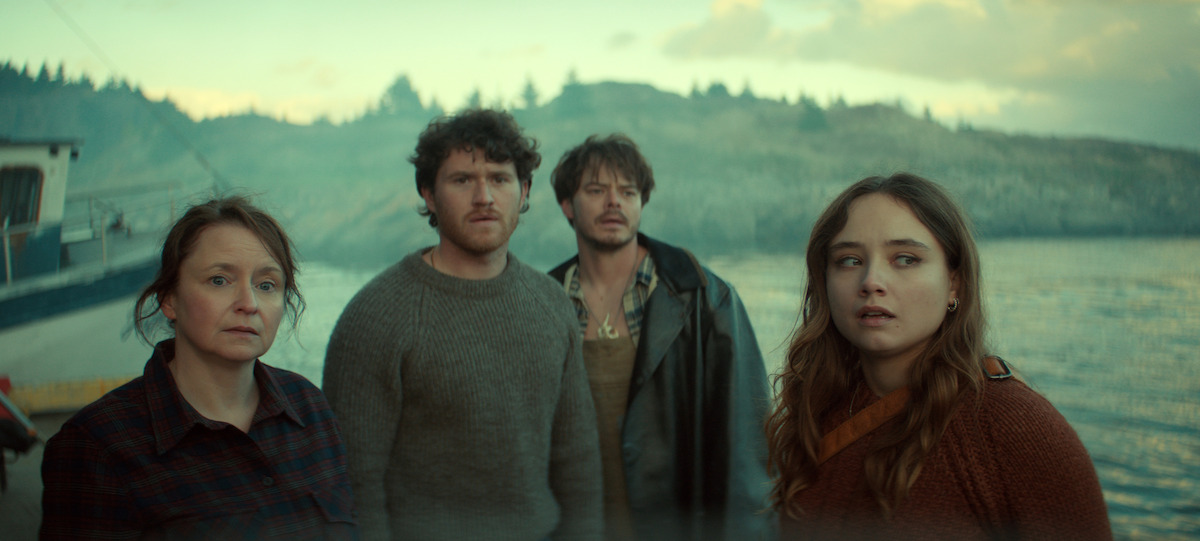
The iceberg is frightening because the real world gives it scale
An iceberg can look quiet from shore while carrying most of its mass underwater. Environment and Climate Change Canada explains that roughly seven-eighths of an iceberg’s mass sits below the surface. The agency also notes that icebergs can drift from Greenland toward Newfoundland over a journey that commonly takes two to three years. That real imbalance between what is visible and what remains hidden is a natural metaphor for Below.
The show’s horror uses a similar visual idea. The audience sees a surface, a silhouette, or a disturbance, while the most important part remains unseen. The ocean feels frightening not because every wave is supernatural, but because the world beneath it is vast and difficult to read. That uncertainty lets a fictional threat feel physically plausible without pretending it is real.
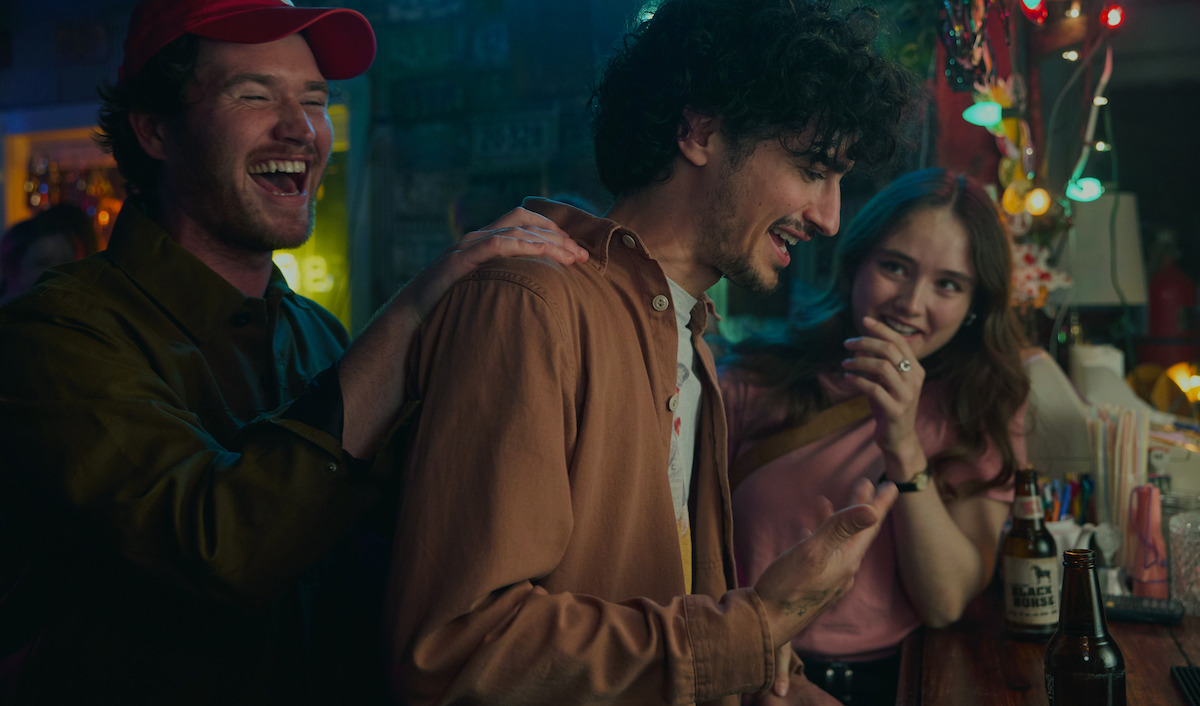
More than a monster-movie trick
In a conventional creature feature, the landscape can exist mainly to give the monster somewhere to attack. Below uses the coast to suggest a wider conflict: a community’s dependence on the sea, its vulnerability to forces it cannot control, and the pressure people face when their home becomes uncertain.
This is not a documentary about climate science. The creature and supernatural events belong to fiction. Still, the visual setting brushes against real concerns such as cold-water navigation, changing environmental conditions, and the way coastal communities live with the ocean as both resource and risk. The environmental dimension works best when it emerges from the landscape rather than from a lecture.
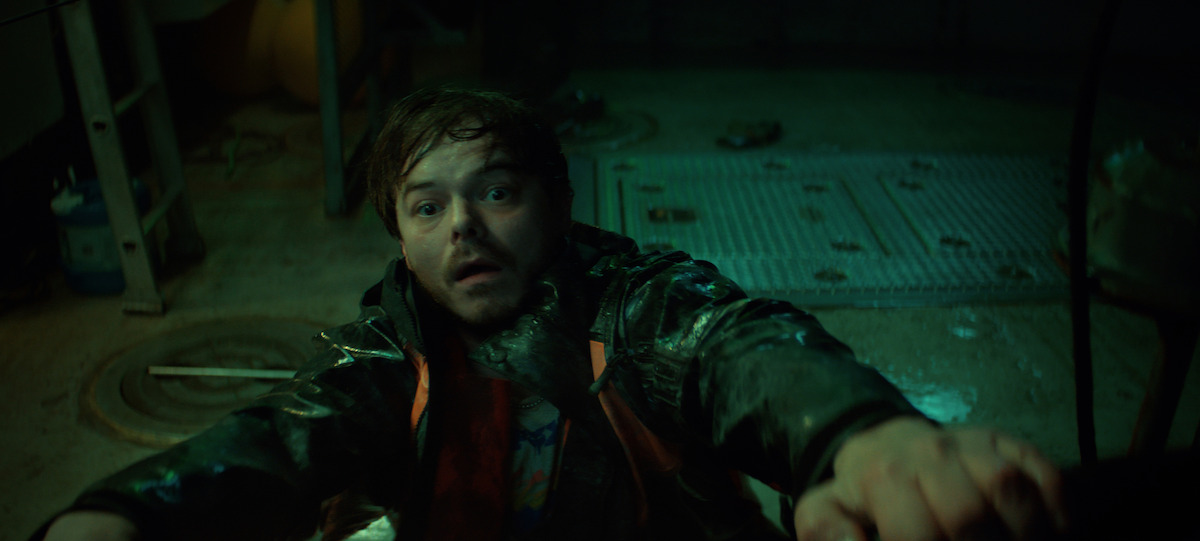
Real locations make the characters’ fear more convincing
Calvin Penney, played by Josh Hartnett, cannot simply leave when things turn strange. His relationship with the town is tied to family, memory, work, and responsibility. The sea provides a living, but it can also take people away; the same environment that sustains the community becomes the source of its deepest fear.
Netflix’s behind-the-scenes coverage notes that Hartnett and fellow cast members spent time learning about Newfoundland’s culture and listening to local voices. Regional specificity is more than an accent: it shapes how people work, joke, argue, and decide what they owe one another. The more believable the community feels, the less the supernatural threat resembles a detached special effect.
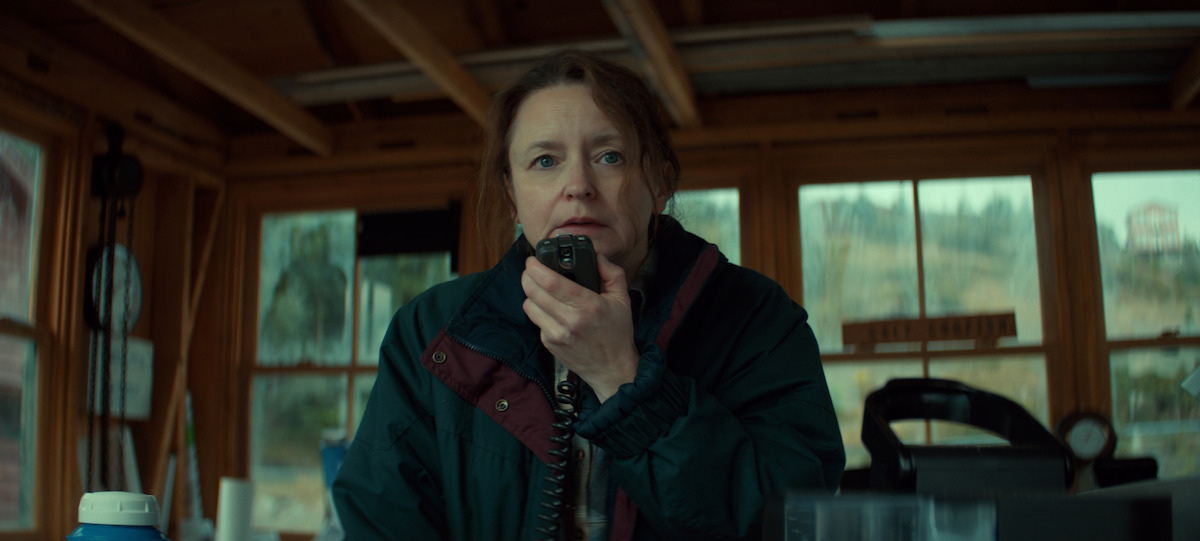
Watch the official Netflix teaser
The official teaser offers a glimpse of the series’ uneasy relationship with the water. This is an embed from Netflix’s verified YouTube channel, not evidence that the fictional events happened in real life.
What is real—and what remains fiction?
The production’s Newfoundland setting is real, and icebergs are a documented feature of the region’s wider marine environment. The town, characters, creature, and events are part of a scripted thriller. Without shot-by-shot production notes, it would be inaccurate to label every iceberg image as live footage of a real iceberg. What can be said confidently is that the series uses a real place with a real maritime identity to make an invented danger feel plausible.
That separation strengthens the story’s effect. Below does not need to pretend its monster exists. It asks viewers to recognize the vulnerability of people who live beside a vast, unpredictable ocean—and then imagine what happens when fiction pushes that vulnerability one frightening step further.
Frequently asked questions
Was Netflix’s Below filmed in Newfoundland?
Yes. Netflix’s official Tudum coverage says the series was filmed in Newfoundland, Canada.
Are the icebergs in Below real?
Icebergs are real features of the Newfoundland region, but available production information does not confirm that every iceberg shot is unaltered real-world footage. The supernatural threat is fictional.
Why do icebergs make the series feel scarier?
Most of an iceberg’s mass sits underwater, creating a natural image of something much larger than viewers can see. That visual uncertainty echoes the show’s unseen threat beneath the sea.
Who stars in Below?
The Netflix thriller stars Josh Hartnett, Mackenzie Davis, and Charlie Heaton.
Where can viewers watch the official Below trailer?
Watch the teaser embedded above or visit Netflix Tudum’s Below guide.
Sources
- Netflix Tudum: Below cast, filming location, and series details — official production context and image credits.
- Netflix Tudum: Below official teaser coverage — official trailer and production background.
- Environment and Climate Change Canada: Iceberg drift — iceberg movement and mass below water.
- Canadian Coast Guard: Ice climatology and environmental conditions — background on icebergs in Newfoundland waters.
Author: Shivam Das






