

Why do some viewers remember the quiet scenes in Netflix’s Below more vividly than its creature attacks? Because the six-episode Newfoundland thriller is not only built around a threat beneath the water. Its emotional center is a family trying to stay connected, a fishing community facing an uncertain future, and a landscape that makes every ordinary conversation feel as though it could be interrupted by the sea.
Below stars Josh Hartnett as Calvin Penney, a fisherman haunted by his father’s death, with Charlie Heaton as his son Wade and Mackenzie Davis as marine researcher Fonda Howander. Netflix describes the series as a story about family, community, change, and a mysterious sea creature. That combination helps explain why its quieter moments can be just as important as its most frightening set pieces.
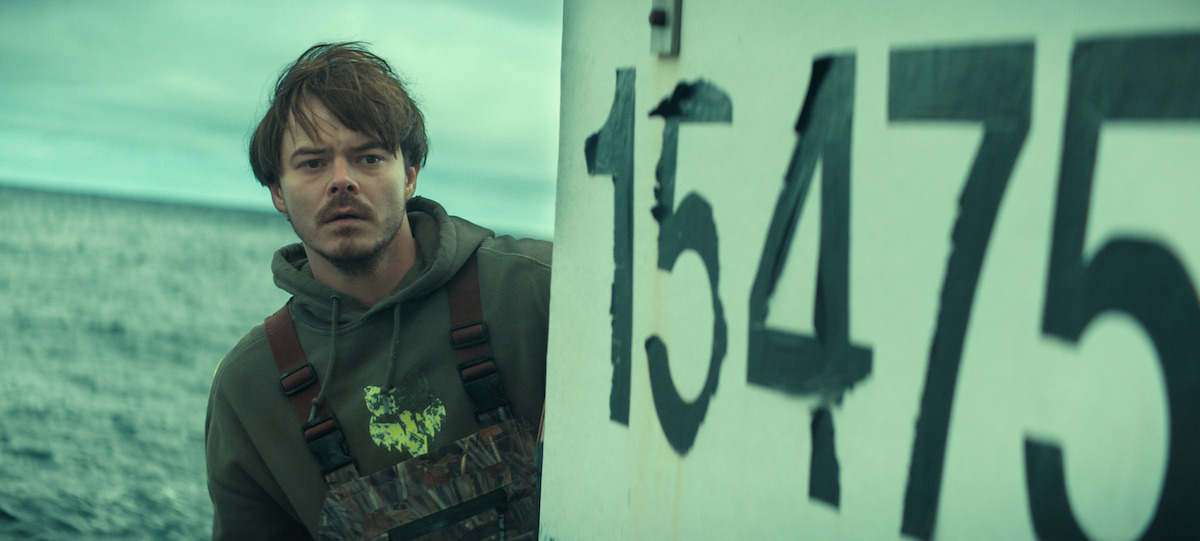
The family story gives the horror something to threaten
A creature attack can deliver a sharp jolt, but a character’s unresolved grief can stay with viewers long after the scene ends. Calvin’s history with his father shapes the way he responds to danger, responsibility, and the possibility of losing his home. He is not simply a fisherman facing an unexplained threat; he is a parent carrying old pain while trying to keep his own family together.
That tension makes ordinary exchanges matter. A pause between relatives, a difficult conversation, or a moment when a character chooses not to say what they feel can reveal more than another glimpse of something moving beneath the water. The monster supplies the immediate danger. The relationships explain what is at stake.
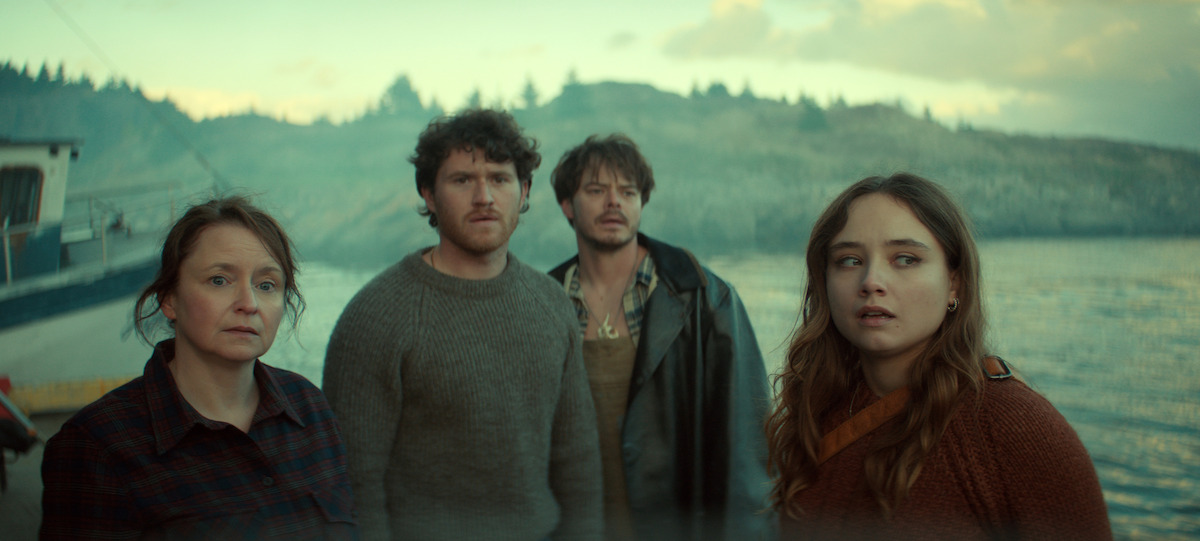
Newfoundland feels like a character, not a postcard
The setting is central to the show’s mood. Netflix says Below was filmed in Newfoundland, Canada, and creator Jesse McKeown has spoken about the province’s rugged, isolated landscape and the warmth and eccentricity of its communities. That contrast matters. The coastline can feel immense and indifferent, while the people living beside it depend on familiarity, shared history, and one another.
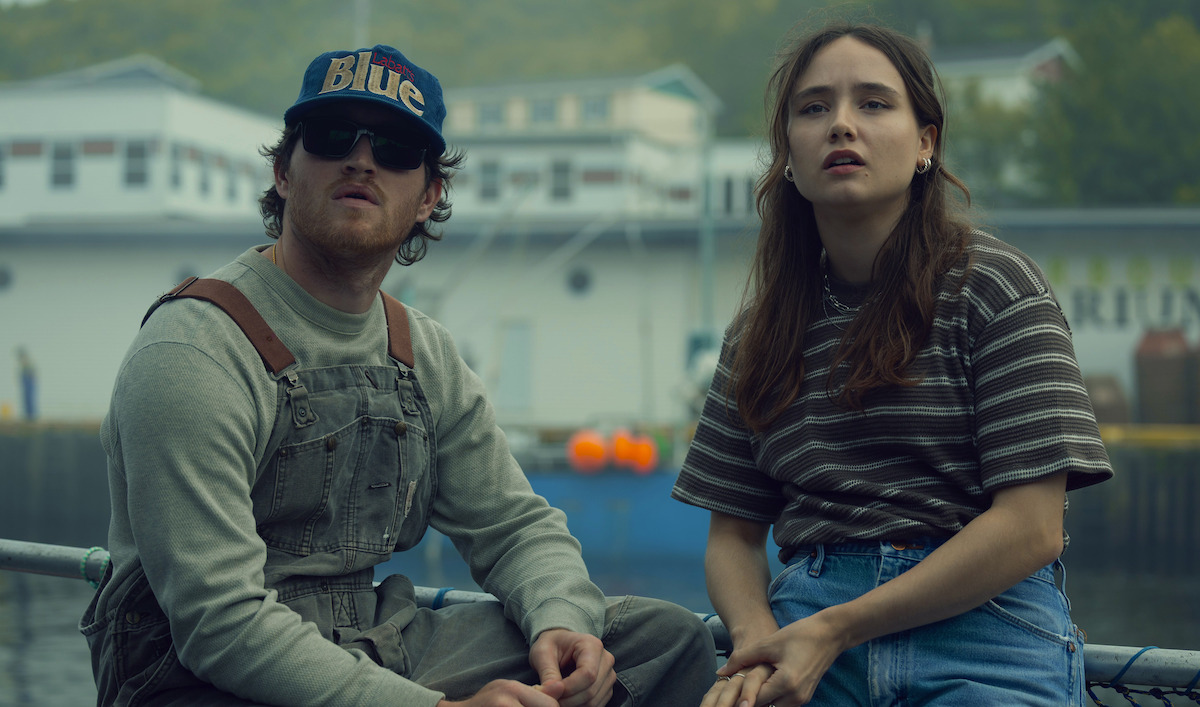
Quiet scenes allow the viewer to feel that dependence. Boats, shorelines, work spaces, and everyday gathering places establish a lived-in world before the story threatens to take it away. The result is a form of suspense built on attachment: the more specific the community feels, the more consequential its danger becomes.
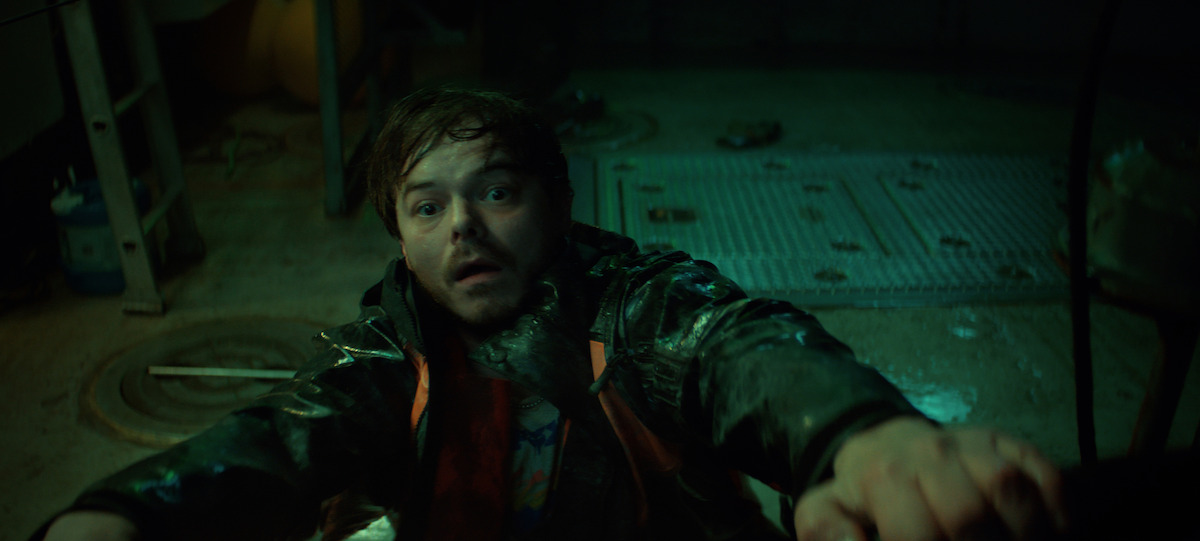
Resettlement raises the stakes beyond survival
The show’s central conflict is not limited to whether the residents can escape a creature. The town is also under pressure over a proposed buyout and the possibility of leaving home. That creates a quieter, more recognizable kind of fear: what happens when the place that holds your memories becomes difficult or dangerous to remain in?
For a fishing community, home is tied to livelihood, family history, and local identity. Leaving is not simply a practical decision. Staying can be risky, but leaving can feel like surrendering the life that made the place meaningful. These dilemmas give the series a human conflict that continues even when the creature is off-screen.
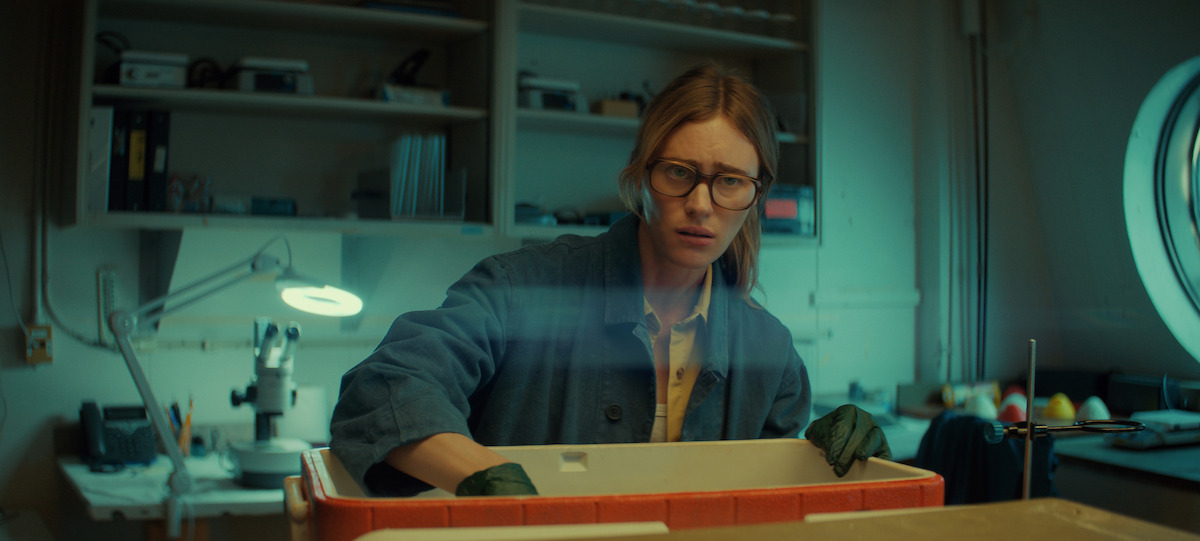
Fonda’s investigation gives the story room to breathe
Fonda Howander, played by Mackenzie Davis, approaches the crisis as a marine researcher. Her role introduces questions, observations, and attempts to understand what is happening rather than relying only on panic. That investigative rhythm creates a useful contrast with the more visceral creature scenes.
For viewers who enjoy mysteries, the process of piecing together clues can be more satisfying than a sudden scare. The show invites the audience to watch people interpret evidence, disagree about what it means, and decide what risks are justified. Suspense grows not only from what might emerge from the water, but also from what the characters do with what they know.
Why the quieter moments can hit harder than the attacks
Horror works through contrast. If every scene is loud, urgent, and dangerous, the viewer has little time to absorb the consequences. Calm stretches create anticipation, but they also make space for character details: a strained family bond, a familiar routine, or the uneasy feeling that a community’s future is slipping away.
Those moments are not filler between the scares. They give the scares meaning. When the series returns to the creature, the viewer is no longer responding only to a threat in the water. The danger is connected to people, homes, work, and relationships already established on screen.
It is worth being precise about the word “fans” in this article’s headline: there is no verified audience survey cited here proving that most viewers prefer the quieter scenes. This is a critical reading of what the series does well, not a measured claim about audience consensus. Different viewers will naturally come to Below for different reasons—some for the creature-feature thrills, others for its family drama, coastal atmosphere, or environmental undercurrent.
Watch the official teaser
The official teaser gives a quick sense of how the series balances the coastal setting, its characters, and the unseen threat.
How Below balances creature horror and human drama
The strongest reason to value the quieter scenes is that they keep the series from becoming only a sequence of attacks. Calvin’s grief, his family’s fragile connections, Fonda’s investigation, and the community’s resettlement dilemma create several layers of tension. The creature may be the most visible threat, but it is not the only force changing the characters’ lives.
That blend also explains why the show may appeal to people who usually prefer character-driven thrillers to relentless monster movies. The horror supplies momentum; the human story gives the momentum direction. When those elements work together, a look across the harbor or a difficult family conversation can feel as ominous as anything rising from the deep.
Frequently asked questions
How many episodes are in Netflix’s Below?
Netflix lists Below as a six-episode limited series.
Who plays Calvin Penney in Below?
Josh Hartnett plays Calvin Penney, a Newfoundland fisherman trying to protect his family and community.
Who plays Fonda Howander?
Mackenzie Davis plays Fonda Howander, the marine researcher who helps investigate the mysterious threat.
Is Below only a monster series?
No. Alongside creature horror, the series explores family strain, community identity, grief, and the pressure facing a coastal town.
Do viewers officially prefer the quiet scenes to the creature attacks?
No audience survey is cited here to establish that as a fact. The headline describes an interpretive angle: why the quieter scenes may be especially effective for viewers who value character and atmosphere.
More Below coverage
- How Below Uses Its Climate Message Without Feeling Preachy
- The Meaning Behind Below’s Final Iceberg Shot
- Why Below Feels Like Jaws Meets Climate-Change Horror
Sources: Netflix Tudum’s series guide and first-look photos; Netflix Media Center synopsis; The Guardian’s review.
Author: Shivam Das






