

Warning: Major spoilers for the finale of Netflix’s Below.
The final image of Below is deceptively simple: icebergs on the horizon, a quiet stretch of Newfoundland water, and a community that has finally begun to imagine a future. But after everything Calvin Penney has endured, those distant shapes no longer look like an opportunity. They look like a warning.
That is the key to the ending. The icebergs suggest the immediate crisis may be over, but environmental instability, corporate exploitation, and the town’s fragile relationship with the sea have not disappeared. The series leaves viewers with uncertainty rather than a neat promise of another monster attack.
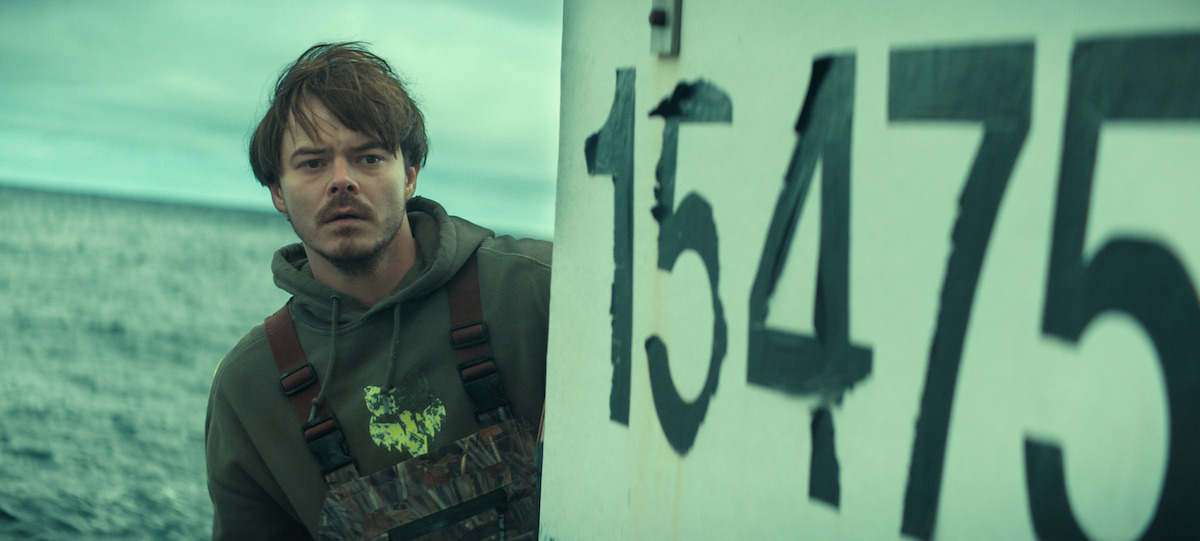
What happens at the end of Below?
In the finale, Calvin’s understanding of the creature changes. For much of the series, the mysterious animal seems to be the source of the town’s escalating terror. The truth is more complicated: the giant cephalopod is protecting its young, while human interests have helped turn a frightening mystery into a disaster for Snook’s Arm.
Calvin helps move the creature and its egg sac away from the harbor and toward deeper water. This is not a conventional victory over a monster. It is an act of recognition. The animal has been dangerous, but it is also responding to threats to its survival. Calvin finally sees a living creature caught in circumstances it did not create, a parallel that reframes his own history of loss and helplessness.
The creature’s fate is bittersweet. The finale presents the mother’s effort to bring forth the next generation as a costly last act, while warmer conditions threaten the young. The show uses this fictional biology to make the stakes emotional: saving a habitat does not automatically undo the damage already done.
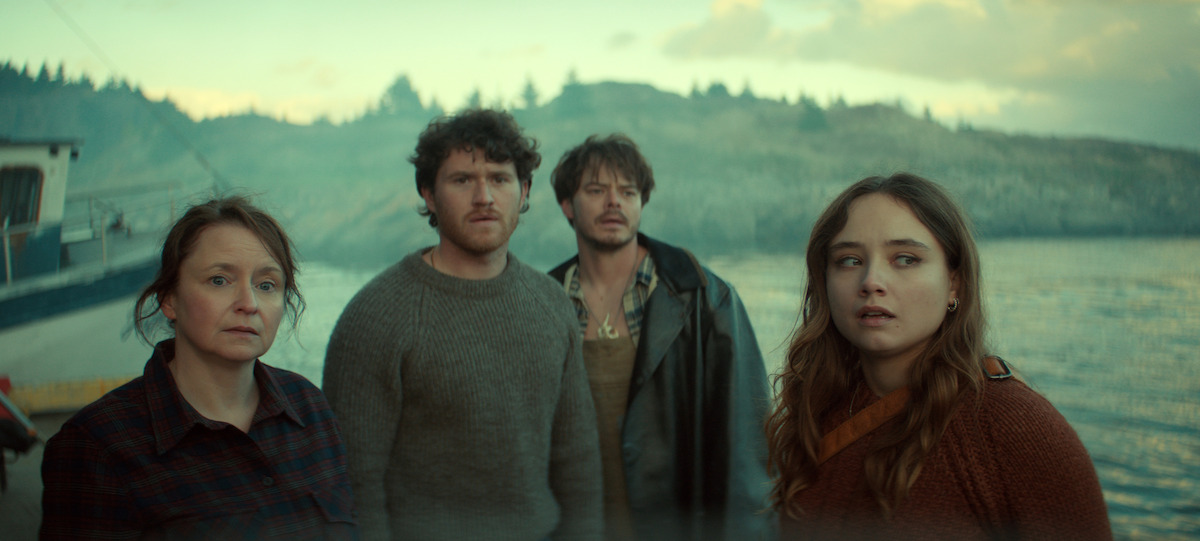
Why the final icebergs mean something darker
The last shot works because the series has changed what icebergs mean to Calvin. Early on, ice is tied to work and survival: a resource that might help a struggling fisherman earn money. By the end, he has seen how a changing environment can carry unknown risks into the place he calls home.
Creator Jesse McKeown told Netflix Tudum that the closing image points toward a world where things may become more frightening as climate change accelerates. That makes the icebergs more than a sequel tease. They represent a system that does not stop changing just because one crisis has been resolved.
There is an important distinction: Below is fiction, and its giant-squid scenario is not evidence that a supernatural creature is hidden in real icebergs. Its environmental concern is recognizable, however: warming oceans and shifting conditions can disrupt ecosystems and communities that depend on them. The show turns that concern into horror by making the unknown enormous and close to shore.
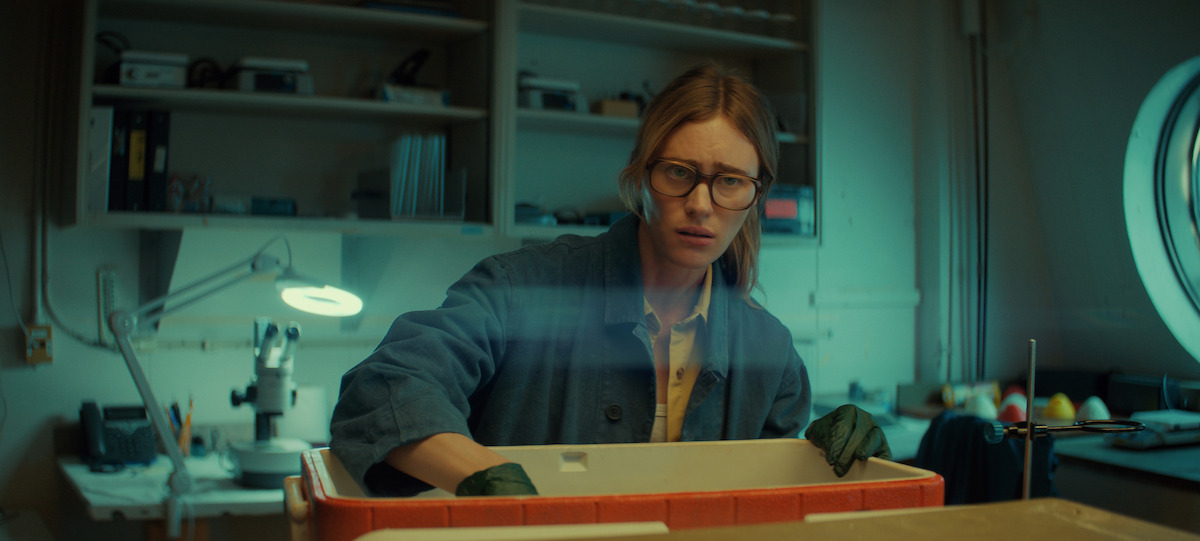
The real threat was never only the creature
The finale clarifies the human conflict at the heart of the story. The Crockers’ efforts to push residents out of Snook’s Arm turn the creature into a convenient explanation for a crisis that also serves powerful interests. The community’s fear becomes something that can be exploited.
That makes the ending more unsettling than a simple monster defeat. The creature can be relocated and a family can begin to heal, but corporate pressure and the politics of resettlement remain. Calvin’s relief is real, yet it is not permanent. The forces threatening a small coastal town are larger and more persistent than any one person can defeat.
This conflict connects to Newfoundland’s history of resettlement, which creator Jesse McKeown has cited as part of the story’s inspiration. The fictional town’s struggle is not just about defending a picturesque location; it is about what happens when people are asked to abandon a home that holds their history, work, and relationships.
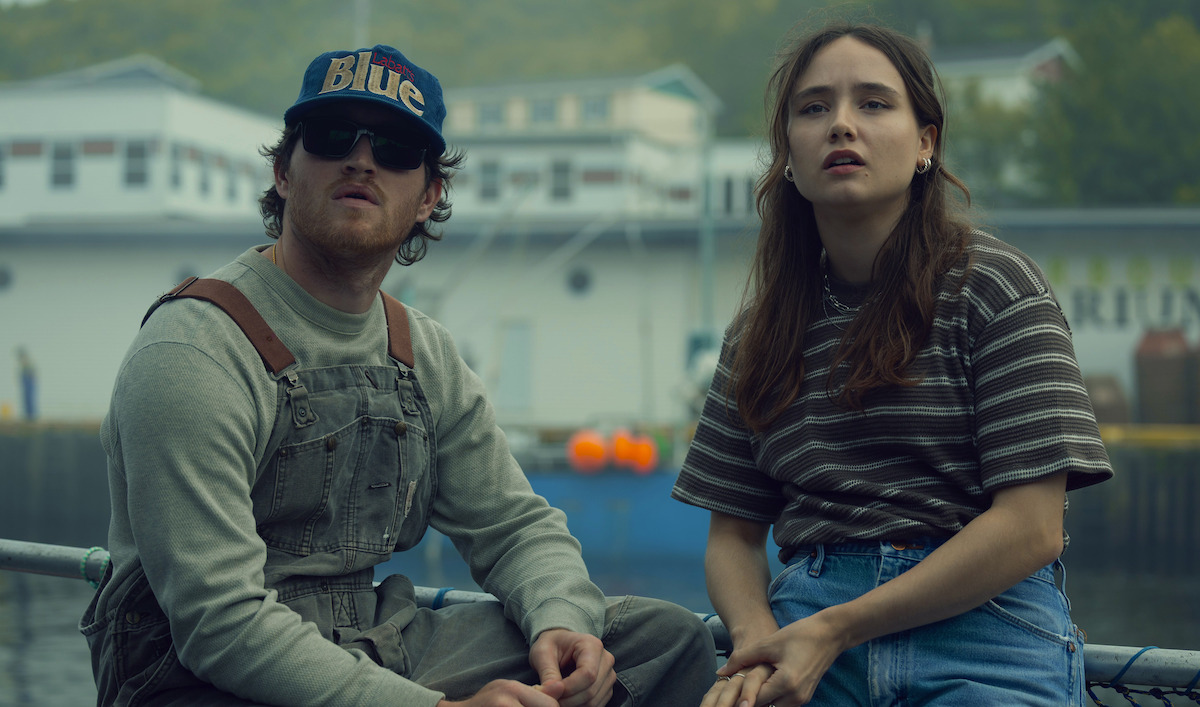
Does Calvin finally let go of his guilt?
Yes, at least in a meaningful way. Calvin has spent years interpreting his father’s death as a personal failure. As a child, he cut a rope to keep the rest of his family from being dragged under. That impossible decision shaped his sense of himself and his place in the community.
Learning that the tragedy was tied to forces beyond his understanding gives Calvin a chance to stop treating himself as the cause of everything that followed. The final act echoes the earlier rope-cutting moment, but this time he acts with knowledge and intention. He does not erase the past; he changes what it means. Calvin can finally see himself as someone capable of choosing what happens next.
What the ending says about Wade and the family
Calvin’s relationship with Wade is part of the same emotional repair. Wade has struggled with his own identity and the weight of his father’s past. The threat pushes the family into danger, but it also forces them to work together rather than remain trapped in old resentments.
The ending does not claim every wound is healed. It gives the Penneys something more modest: a chance to stay together and rebuild daily life. The renewed activity in Snook’s Arm suggests the town may recover, at least for now. The future remains uncertain, but the family is no longer defined only by what it has lost.
Is the final scene setting up Below Season 2?
It leaves the door open, but it is not confirmation of a second season. The new icebergs introduce a question: are they carrying more secrets, or are they a reminder that the natural world remains unpredictable? The finale deliberately refuses to answer.
Netflix has described Below as a limited series, so the ending should be read as an ominous possibility rather than proof that another season is in development. A continuation could explore new ecological mysteries or renewed pressure on the town, but those are possibilities—not announced plans.
Quick answer: What do the final icebergs mean in Below?
The final icebergs symbolize unresolved danger and the effects of a changing environment. They hint that more mysteries could emerge, while reinforcing the idea that one victory cannot stop broader ecological and economic pressures. They may set up a possible continuation, but they do not confirm Season 2.
Frequently asked questions
Does the giant squid survive in Below?
The mother creature’s story ends tragically as she attempts to bring forth her young. The finale suggests the hatchlings are unlikely to survive the conditions, leaving the creature’s legacy uncertain rather than triumphant.
What does the blue eye represent?
The blue eye connects Calvin’s childhood trauma with his final encounter with the creature. It turns a frightening memory into a moment of recognition and helps him understand that the animal was more than a simple monster.
Are the icebergs proof of another monster?
No. The ending invites speculation, but it does not identify what—if anything—may be associated with the new icebergs.
Has Netflix confirmed Below Season 2?
The ending leaves room for more, but an ambiguous final shot is not a renewal announcement. Check official Netflix updates for confirmed news.
Is Below based on a true story?
No. The series is a fictional supernatural thriller. Its themes draw on real concerns around coastal communities, resettlement, and environmental change, but the giant sea creature is fictional.
Sources and further reading
- Netflix Tudum: How Does Below End? — official finale explainer.
- Netflix Tudum: Below cast, plot, and first-look photos — official series information and publicity stills.
- Netflix Media Center: Below — official synopsis.
By Shivam Das






