

Netflix’s Below works as a coastal creature thriller, but its most unsettling idea is not the monster itself: it is a community trying to survive as the environment it depends on becomes less predictable. Set in the Newfoundland fishing town of Snook’s Arm, the six-episode series puts a mysterious sea creature alongside a struggling fishing economy, melting ice, and a fight over whether residents should abandon their homes. That combination gives the horror a human pressure point.
The series does not present climate change as a separate lecture delivered between scares. Instead, it folds environmental instability into the town’s daily problems: fishing is no longer a dependable livelihood, ice becomes a source of income and anxiety, and the ocean brings consequences the residents cannot easily explain. The supernatural story grows out of the same landscape that sustains the community.
How Below makes climate change part of the monster story
In Netflix’s official ending explainer, the show’s creators connect the creature’s crisis to warming water and melting ice. The threat is not simply an aggressive animal emerging from the deep. Its survival is tied to conditions changing around it, which makes the creature both frightening and vulnerable.
That is the show’s central reversal: viewers are encouraged to fear the creature before learning to see the larger system around it. A conventional monster story asks how people can defeat the thing hunting them. Below asks a more uncomfortable question, too: what if the danger is a symptom of a damaged environment, and destroying the visible threat would leave the underlying problem untouched?

The fishing town is under pressure before the creature appears
Calvin Penney, played by Josh Hartnett, is a fisherman trying to keep his family and community together. The town’s future is already uncertain: the fishing economy is struggling, and residents face pressure to accept a resettlement deal. Those conflicts matter because they prevent the sea monster from being the only problem in the story.
For a coastal community, environmental change is not an abstract headline. It can affect what people catch, how they earn money, whether young people stay, and whether a place can continue to support the families who have lived there for generations. Below dramatizes those stakes through one fictional town rather than pretending to be a documentary about Newfoundland.
Why the iceberg is more than an eerie backdrop
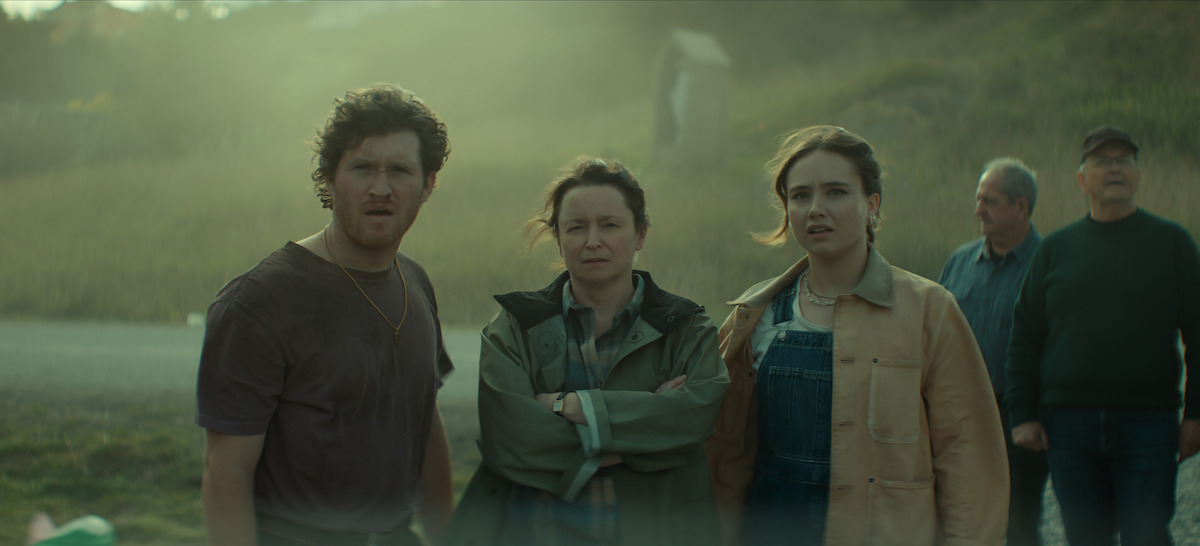
Icebergs make the show’s climate theme visible. They are imposing, beautiful, and potentially dangerous; in Below, they also become part of a chain of events that links the creature to the town’s water and to the warming sea. The image of a huge iceberg drifting near a fishing settlement creates a striking contrast: the landscape looks timeless, but the conditions within it are changing.
The story’s environmental logic is fictional and heightened for horror. In the real world, climate change is associated with rising ocean temperatures, loss of land and sea ice, and shifts in marine ecosystems. The exact creature and events in Below are invented, but the broader idea—that warming can reshape the habitat on which wildlife and coastal communities depend—is grounded in real environmental concerns.
The scarier question: who benefits when a town is forced to leave?
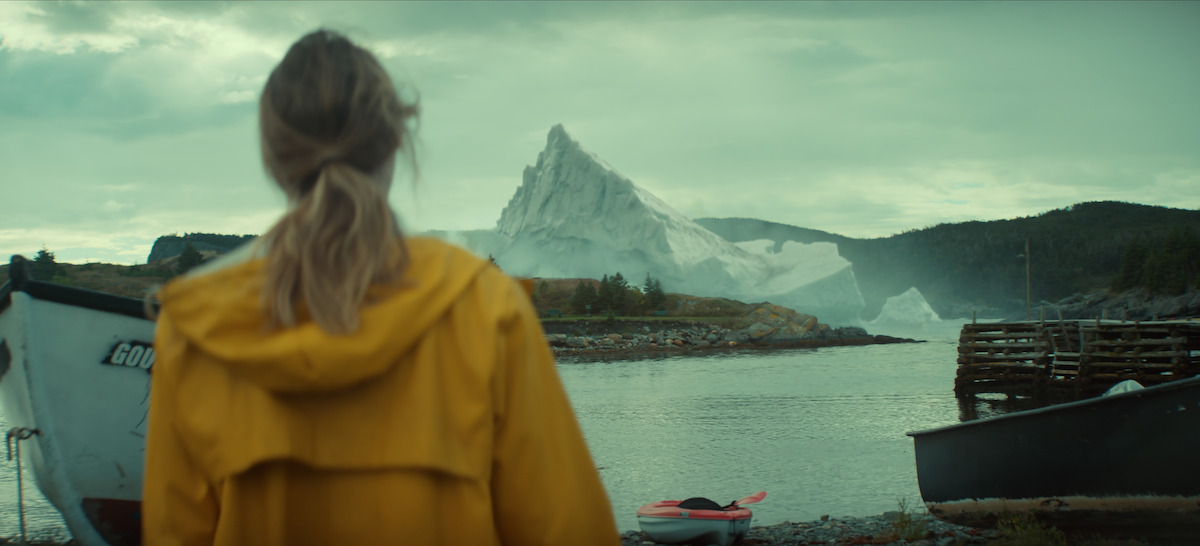
Below also links environmental fear with money and power. When a community is made to feel unsafe, evacuation or relocation can be presented as the only sensible option. The series asks viewers to look more closely at who is proposing that solution, what they stand to gain, and whether the residents are being given the full story.
This gives the climate theme a social dimension. The damage is not experienced equally, and people with the fewest choices can be the ones asked to carry the greatest cost. In the show, the monster creates immediate danger, while corporate interests and the resettlement dispute reveal how a crisis can be used to push people away from valuable land. The supernatural plot is exaggerated, but the conflict over who controls a community’s future is recognizably human.
Why the message can outlast the jump scares
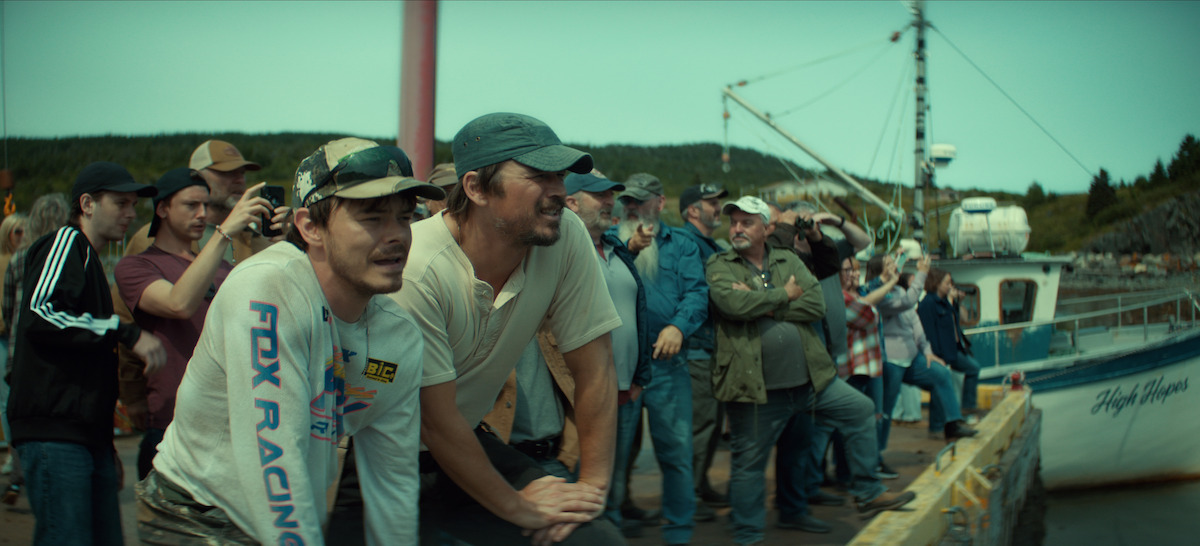
Creature features work best when the monster is more than a visual effect. A shark can stand for fear of the unknown; an alien can embody invasion; a sea creature in Below becomes a way to dramatize a world whose natural balance is slipping. The most effective scenes are the ones in which the characters must decide whether to fight, flee, or understand what they are facing.
That does not mean every viewer will find the environmental message subtle or that the series always balances its themes perfectly. Some of the story’s stranger turns can pull attention away from its ecological ideas. But the contrast is the point: the monster gives the audience a clear object to fear, while climate change is harder to see, slower to explain, and much harder for any one person to defeat.
For a related look at the show’s creature-feature influences, read our analysis of why Below feels like Jaws meets climate-change horror. We have also explored why the climate message may hit harder than a jump scare.
Watch the official Below trailer
The official trailer introduces the Newfoundland setting, Calvin’s fight to protect his community, and the mysterious danger beneath the water. It is a useful preview of how the series combines family drama, coastal atmosphere, and creature horror.
Does Below accurately portray climate change?
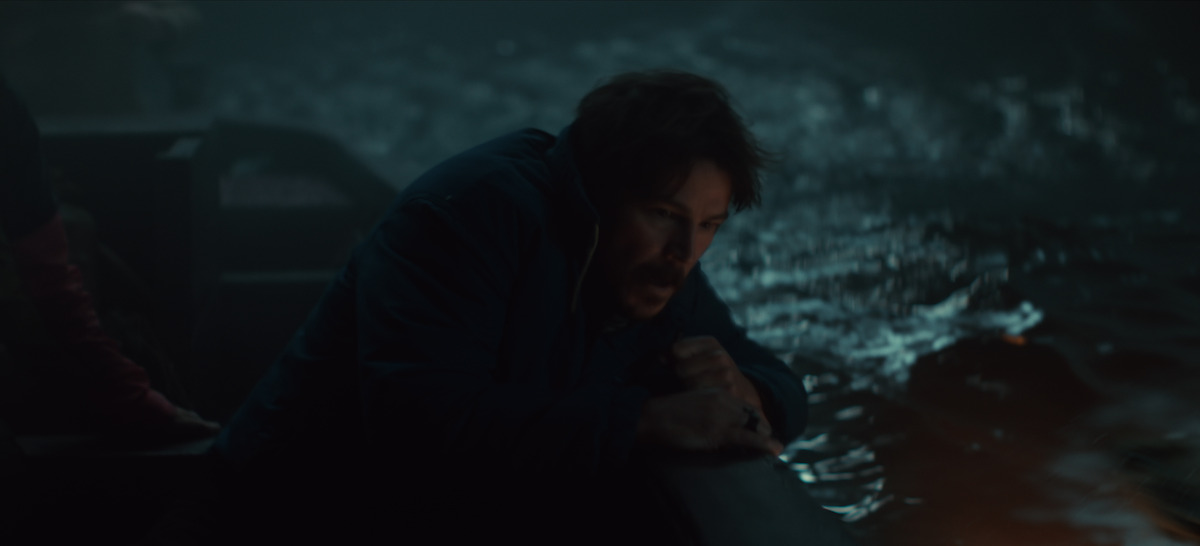
Below is a fictional thriller, not a scientific documentary. Its giant sea creature and the specific chain of events involving its eggs and the iceberg are invented. The wider themes—warming waters, changing marine habitats, and the vulnerability of coastal livelihoods—reflect real environmental issues, but the series uses horror conventions to tell its story.
Is the sea monster the real villain in Below?
Not entirely. The creature is dangerous, but the story gradually asks viewers to consider its circumstances and the human decisions surrounding the crisis. Corporate power, economic pressure, and environmental change complicate the simple idea that the monster alone is responsible for the town’s suffering.
Where can you watch Below?
All six episodes of Below are available on Netflix’s official series page. The show stars Josh Hartnett, Mackenzie Davis, and Charlie Heaton and was filmed in Newfoundland, Canada.
Sources
- Netflix Tudum: Below ending explained and climate-change themes
- Netflix Tudum: Below cast, story, and production details
- Reuters: Below’s Newfoundland setting and environmental themes
- The Guardian: Below review
By Shivam Das






