

Warning: Major spoilers for all six episodes of Netflix’s Below.
For most of his life, Calvin Penney believes one terrible moment at sea defines him: as a child, he cut the rope connecting his family’s house to the boat towing it across the water, and his father disappeared beneath the waves. Netflix’s Below reveals that the tragedy was far more complicated than Calvin’s guilt allows him to believe. His father’s death is tied to a mysterious sea creature, a community’s buried history, and powerful people who have profited from keeping the truth hidden.
The real twist is not simply that something enormous lives beneath the ice. It is that Calvin has spent decades blaming himself for a disaster shaped by forces he could not understand or control.
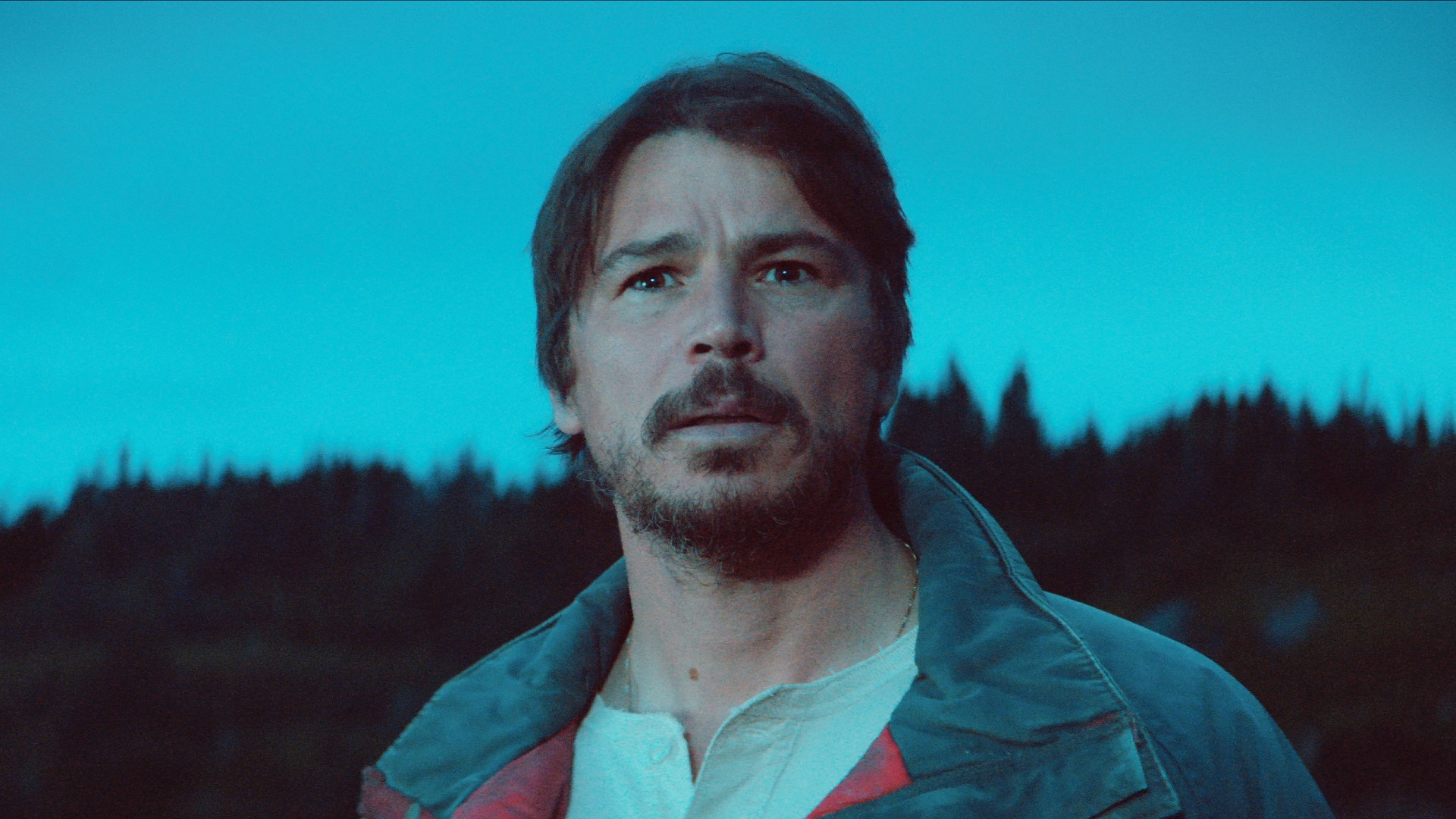
What happened to Calvin’s father in Below?
When Calvin was about 10 years old, his family was forced to leave Little Pot Rock after the government took control of the island. They moved their house and belongings across the water by towing the structure behind a boat. During the journey, something powerful began pulling the house down into the sea—with Calvin’s father still inside.
In the middle of the chaos, young Calvin made a split-second decision. He cut the rope connecting the boat to the house, hoping to stop the force from dragging the rest of his family underwater. His father was lost, and Calvin carried the belief that his own hands had caused the death.
The series makes that memory especially painful because Calvin was a frightened child trying to save his mother and sister. He had no way of knowing what was beneath the water, why it was pulling at the house, or whether any other choice could have saved everyone. His guilt grows in the silence that follows: he never receives a complete explanation, so he turns uncertainty into self-blame.
The blue eye beneath the water changes everything
The strange blue eye Calvin glimpses below the surface becomes one of the story’s most important images. It links his childhood trauma to the creature that later threatens Snook’s Arm. As the mystery unfolds, the animal is revealed to be a highly intelligent, giant cephalopod—nicknamed Mudder by people who know more about it than the town does.
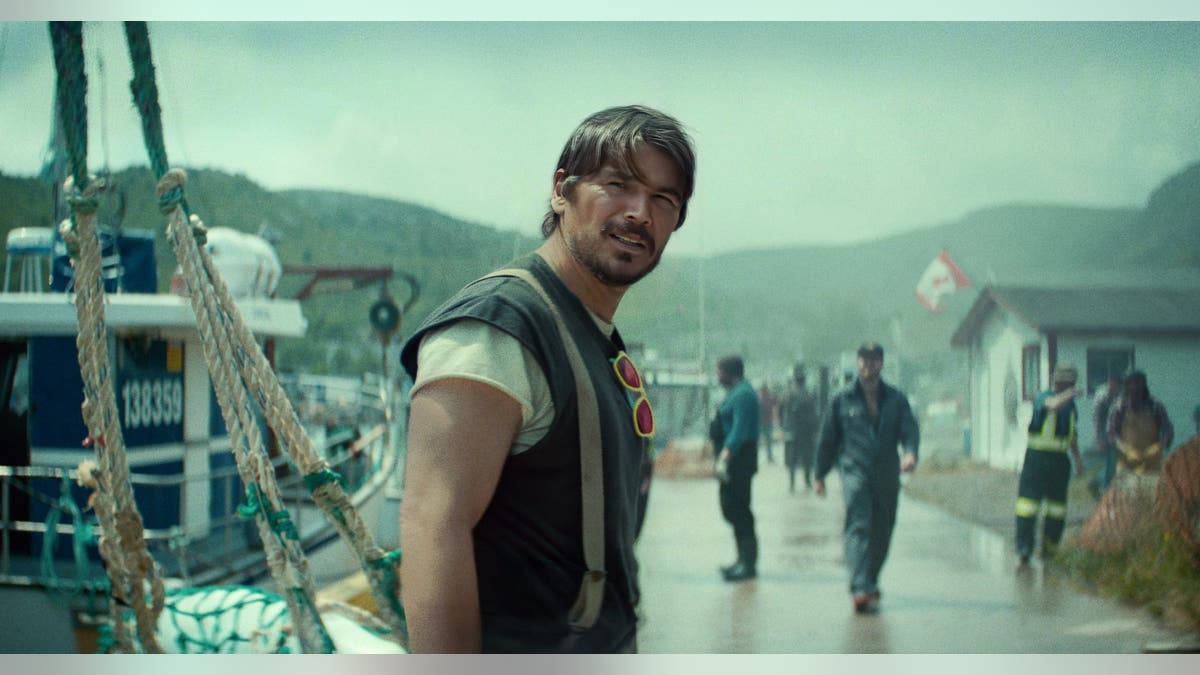
At first, the creature seems like a straightforward monster: fishermen vanish, the water becomes dangerous, and the town’s fear escalates. But the show reframes the attacks once Fonda Howander, the visiting marine researcher played by Mackenzie Davis, investigates the ice and discovers that the iceberg is connected to the creature’s young. Mudder is not simply hunting people for sport. She is protecting her offspring and reacting to threats around her nest.
That revelation does not erase the harm the creature has caused. Instead, it gives the horror a tragic dimension. The same animal that became the center of Calvin’s childhood nightmare is also a mother responding to danger in a world she cannot control.
Why Calvin’s father’s death was not his fault
The series gives Calvin a second, devastating discovery on Little Pot Rock. His childhood friend Walton Budgell and his family never truly left the island. They have maintained a secret relationship with Mudder, exchanging human sacrifices for a continuing supply of fish. Calvin also discovers his father’s grave, learning that Walton’s family recovered what remained of the body and buried him.
For Calvin, finding the grave makes the loss real in a new way. But it also forces him to confront the story he has told himself for years. He cut the rope to keep his family from being pulled into the sea. He acted under impossible pressure, without adult knowledge or time to understand the danger. The tragedy was not evidence that he was cursed or that he had failed as a son.
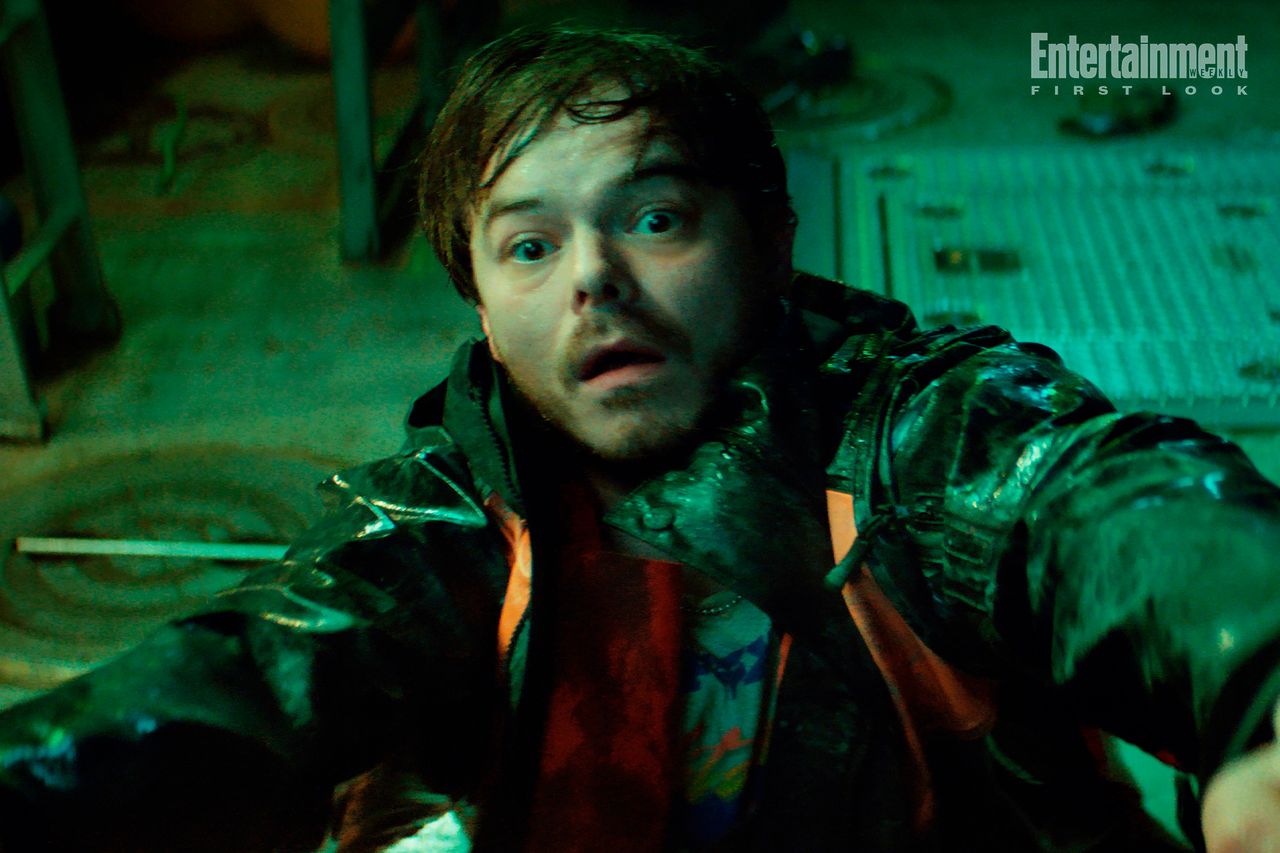
Walton’s explanation is not a perfect comfort: his family’s pact with Mudder is cruel, and the secrets surrounding the island have allowed suffering to continue. Still, the evidence breaks Calvin’s belief that he alone caused every misfortune that followed. He can mourn his father without sentencing his younger self forever.
The Crockers are the human threat hiding in plain sight
Calvin’s family history is also bound up with the Crockers, a wealthy business family that wants Snook’s Arm emptied. The town is pressured to accept a resettlement buyout, supposedly because its future is bleak. But Calvin discovers evidence that the Crockers have a mining plan for the area. Forcing residents to leave would help the family gain access to valuable resources without paying the community what its land is worth.
That revelation changes the meaning of the show’s apparent curse. Calvin has blamed himself for his father’s death, his struggles as a fisherman, and his difficulties holding his family together. Yet the town’s decline has also been shaped by deliberate manipulation. The Crockers are not supernatural, but their willingness to exploit a vulnerable community makes them every bit as threatening as the creature offshore.
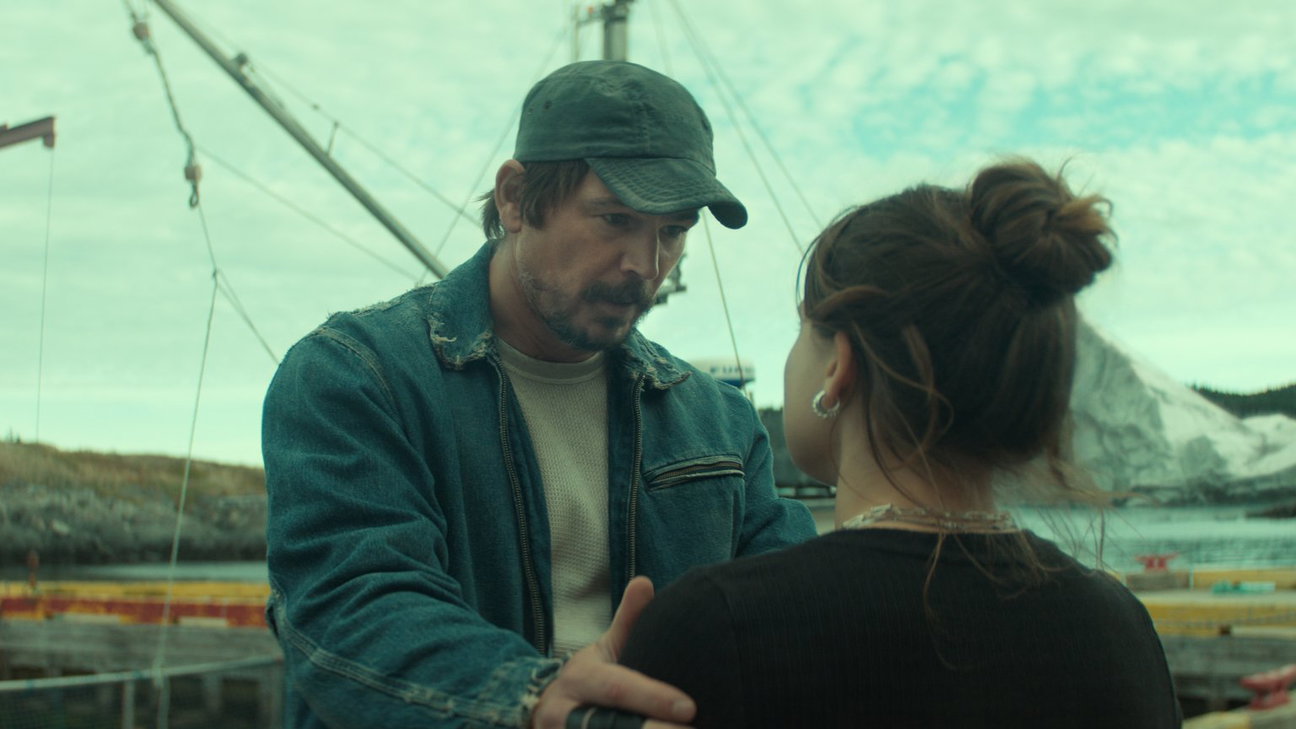
By connecting the family tragedy to corporate greed and forced relocation, Below suggests that people can mistake structural harm for personal failure when the truth is kept from them. Calvin’s relief comes not from learning that nothing bad happened, but from finally understanding that he was never responsible for all of it.
How the finale resolves Calvin’s guilt
In the finale, Calvin and Fonda understand that destroying Mudder is not the only way to protect Snook’s Arm. The creature’s egg sac is trapped in the iceberg, and the water is too warm for the young to survive. Calvin uses his boat and a net to tow the section containing the nest toward deeper water, away from the town and from people who would harm it.
The moment echoes the childhood scene that has haunted him: once again, Calvin is on a boat, connected by a rope to something being dragged across the sea. But this time he understands what he is doing. Rather than cutting the line in panic, he makes a deliberate choice to give the creature and her young a chance. He meets Mudder’s blue eye and recognizes something familiar in her fear and protectiveness.
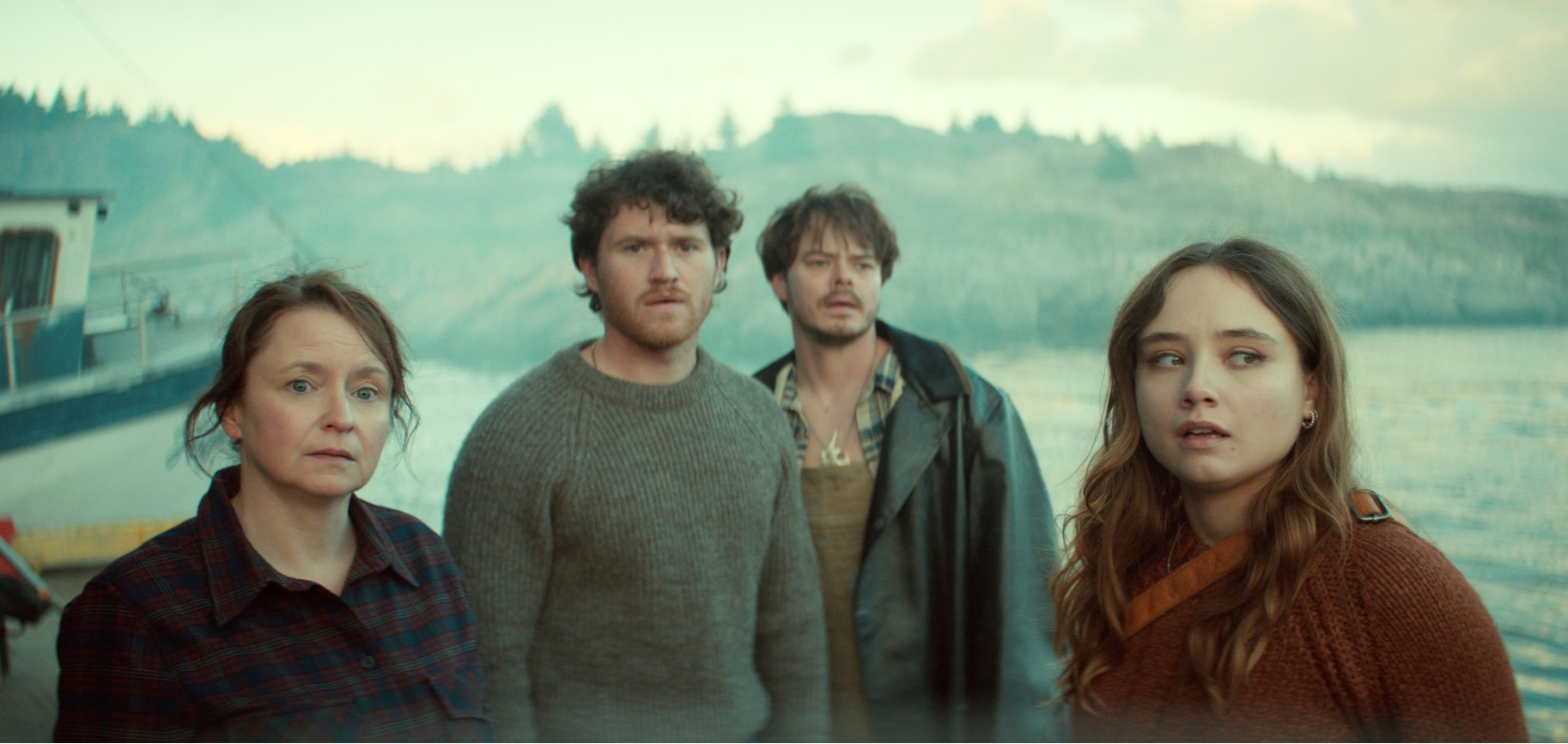
Calvin cannot undo his father’s death, and the finale does not pretend that grief disappears after a revelation. What changes is his understanding of the past. He was a child trying to save the family he loved. Now, as an adult, he can act with compassion instead of letting fear dictate every decision.
What the ending says about Calvin and his father
The tragedy behind Calvin’s father’s death is ultimately a story about incomplete knowledge. A child sees a terrible event, survives it, and assumes survival means he must be guilty. The adults around him fail to provide the truth, while hidden bargains and powerful interests distort the history of the place he calls home.
By the end, Calvin is no longer defined only by the rope he cut. He has reunited with Wade, taken a stand against the Crockers, and chosen to protect a creature he once believed he had to destroy. His father’s death remains tragic, but Calvin’s final decision offers a form of redemption: he can face the sea without confusing responsibility with blame.
The final image of more icebergs on the horizon keeps the story unsettling. The danger may not be over, and the climate conditions threatening Mudder’s offspring are still worsening. But Calvin’s response has changed. He no longer sees the ice only as a source of money or a sign of a family curse. He sees a warning—and a reason to pay attention.
Quick answer: Did Calvin cause his father’s death?
No—not in the way Calvin has believed for most of his life. He cut the rope as a frightened child trying to keep the rest of his family from being dragged underwater. The series reveals a much larger chain of events involving Mudder, the hidden history of Little Pot Rock, and the Crockers’ exploitation of the town. Calvin’s guilt was understandable, but it was never the whole truth.
Frequently asked questions
Who or what killed Calvin’s father in Below?
A mysterious underwater force pulled the family’s towed house beneath the sea. The story later connects that force to Mudder, the giant cephalopod living around the iceberg and protecting her young.
Why did Calvin cut the rope?
He was a child trying to prevent the boat and the rest of his family from being dragged underwater with the house. He made a desperate decision in a crisis, not a deliberate choice to harm his father.
Did Calvin’s father survive?
No. Calvin later discovers his father’s grave on Little Pot Rock. The discovery helps him face the loss, even though it cannot undo it.
What is the Crockers’ connection to the tragedy?
The Crockers’ resettlement campaign is part of a plan to gain access to the area’s mineral resources. Their manipulation reveals that the town’s troubles are not simply the result of a curse or a monster.
Does Below confirm a second season?
No second season has been officially confirmed. The final image of more icebergs leaves room for another story, but Netflix presents Below as a limited series and the ending also completes Calvin’s central emotional arc.
Sources and further reading
- Netflix Tudum: Below ending explained
- TIME: Breaking down the ominous ending of Below
- Netflix Media Center: Below series overview
Written by Shivam Das.






