

Netflix’s Below turns a remote Newfoundland fishing community into a place where fog, icebergs, local folklore, and a giant sea creature collide. The real secret behind its unsettling atmosphere is that the production filmed on location in Newfoundland and Labrador, drawing on the province’s rugged coastline and the close-knit communities that live beside the North Atlantic.
Below follows fisherman Calvin Penney (Josh Hartnett), whose hometown faces a mysterious sea-creature threat just as residents are wrestling with economic uncertainty and pressure to leave. The six-part limited series also stars Mackenzie Davis and Charlie Heaton. It is a fictional monster story, but its sense of place is rooted in a very real part of Canada.
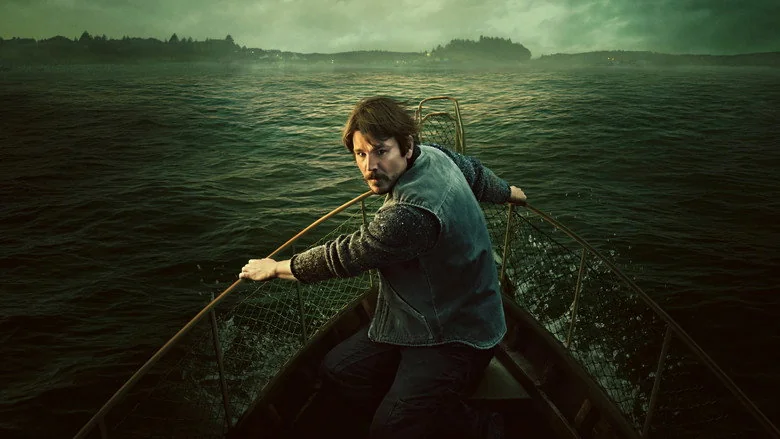
Snook’s Arm feels real because Newfoundland is more than a backdrop
The series’ fictional community, Snook’s Arm, is presented as a place where fishing is not just a job; it is a source of identity, family history, and local pride. When the sea becomes dangerous and the town’s future is threatened, the stakes are bigger than surviving a monster. Residents are also fighting to preserve a way of life that can be difficult to sustain in a changing economy.
Netflix says the series was filmed on location in Newfoundland. Its production-location guide lists several real communities and sites used during filming, including Bay Bulls, Brigus South, Harbour Main, Pouch Cove, St. John’s, and Twillingate. Those places are not all one tiny town; together, they show how the production drew from different parts of the province to create the fictional coastal world.

Why the landscape makes the horror work
Coastal horror depends on the feeling that help may be far away. In Below, gray water, exposed docks, working boats, and the immense scale of icebergs make the town feel vulnerable. The ocean is a workplace and a lifeline, but it is also a vast unknown that locals cannot fully control.
That tension is more effective than simply hiding a creature in the dark. A fishing boat can look ordinary in daylight and suddenly seem fragile when the water turns rough. An iceberg can appear beautiful from shore and ominous once the story reveals what may be inside it. The setting constantly changes the emotional meaning of familiar objects.
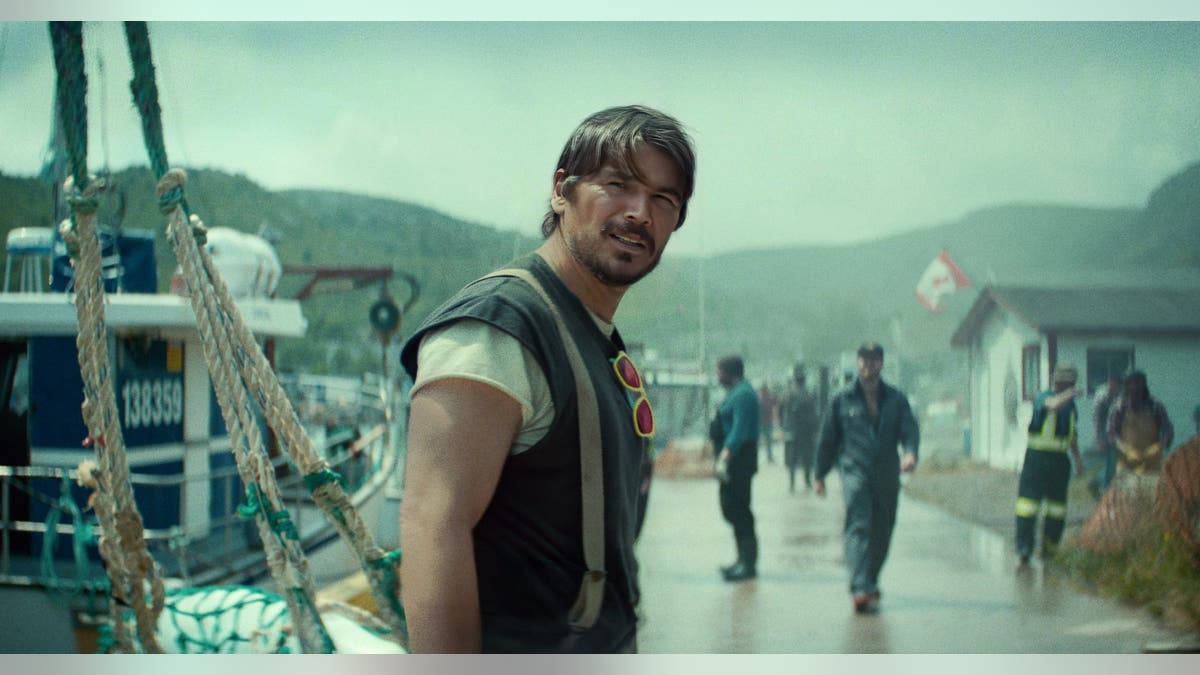
The real community helped shape the show’s authenticity
In reporting around the series, cast members have credited Newfoundland locals with helping them understand the place and its distinctive speech patterns. Hartnett prepared by listening to local radio featuring fishermen, while Heaton spent time talking with people around St. John’s. The cast has also described being out on the actual ocean rather than relying entirely on green-screen work.
That matters because a regional accent is not just a sound effect. It carries rhythm, humor, history, and social belonging. A story set in a tight-knit fishing community feels less convincing if its characters sound as though they could be from anywhere. Local knowledge can also influence small performance choices: how someone talks about weather, handles equipment, or responds when a neighbor offers help.
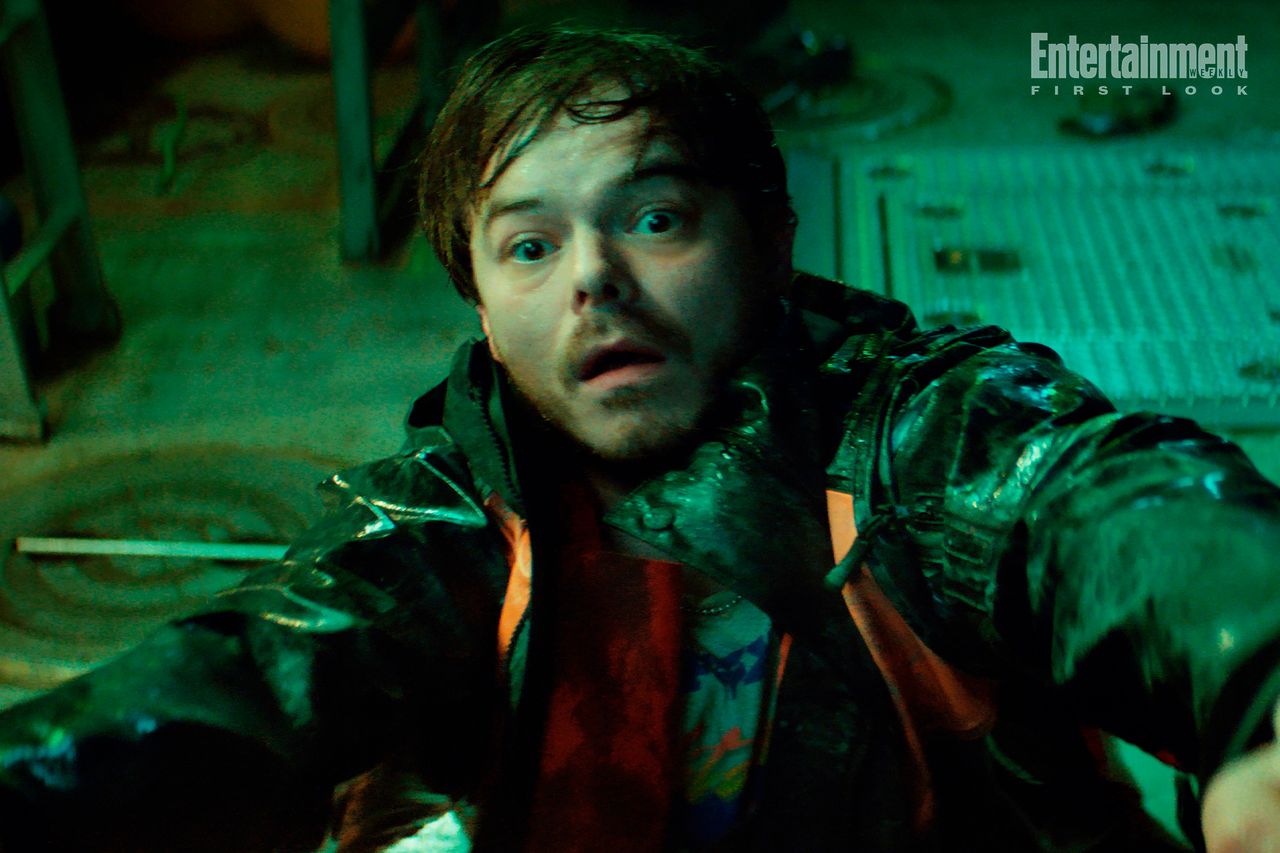
Newfoundland’s beauty and isolation are part of the story
Newfoundland and Labrador has a coastline shaped by the North Atlantic, with communities connected to the sea and landscapes that can feel both welcoming and severe. The production uses that contrast: the scenery is striking, but the weather and water also suggest how little control people have over their surroundings.
The show’s environmental themes fit that setting. Calvin’s community is already under pressure before the creature appears, and the threat becomes another force challenging its future. The horror is therefore not only about what is under the water. It is also about what happens when livelihoods, family ties, and the natural environment are pushed toward a breaking point.
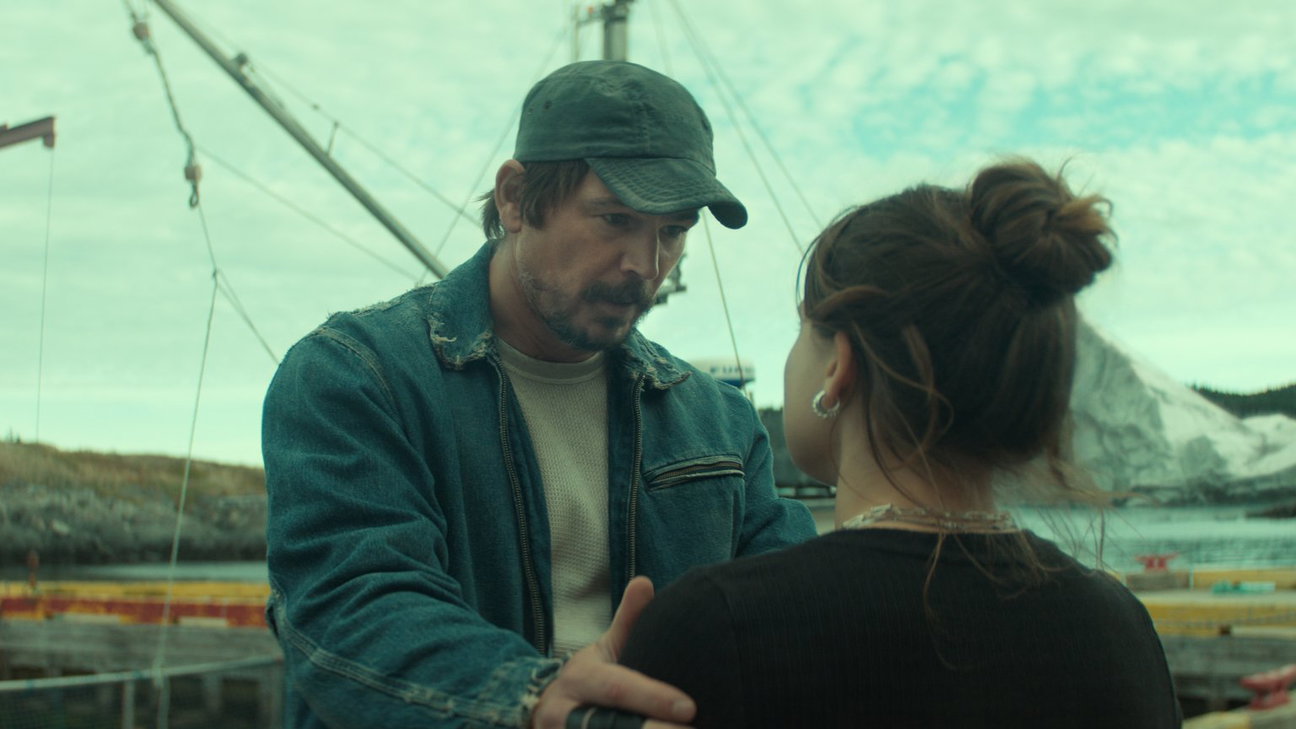
Is Snook’s Arm a real place?
No. Snook’s Arm is the fictional community at the center of Below. The production used real Newfoundland and Labrador locations to build the series’ atmosphere, but viewers should not confuse the story’s town with one specific real settlement. The real locations are worth exploring for their own coastal scenery and culture, not as a literal monster-tour destination.
Why the setting may be the show’s biggest star
Creature features often rely on the design of the monster. Below has a striking sea threat, but the series gains much of its personality from the people and place around it. The town’s vulnerability makes the danger personal; the coastline makes it visual; and the local culture gives the characters a shared history that cannot be recreated by a generic seaside set.
That is how a fictional Newfoundland town becomes a memorable horror setting. The monster gives viewers a reason to be afraid of the water, but the landscape and community give them a reason to care what happens next.
Quick answer: where was Netflix’s Below filmed?
Below was filmed in Newfoundland and Labrador, Canada, using locations including Bay Bulls, Brigus South, Harbour Main, Pouch Cove, St. John’s, and Twillingate. Snook’s Arm, the town in the story, is fictional.
Frequently asked questions
Where is Snook’s Arm in real life?
Snook’s Arm is fictional. The series was filmed at several real locations across Newfoundland and Labrador rather than in one town that directly corresponds to the show’s setting.
Was Below filmed in Newfoundland?
Yes. Netflix’s official coverage says the production filmed on location in Newfoundland, and the province’s filming-location guide lists multiple sites used for the series.
Which real places were used for filming?
Listed locations include Bay Bulls, Brigus South, Harbour Main, Pouch Cove, St. John’s, and Twillingate, among other sites in Newfoundland and Labrador.
Is Below based on a true story?
No. The sea-creature plot is fictional. The show uses a real region, its coastal environment, and aspects of local culture to make the story feel authentic.
Why does the Newfoundland setting matter so much?
The landscape makes the community feel isolated and exposed, while fishing, family history, and local identity give the monster story human stakes beyond the scares.
Sources and further reading
- Netflix Tudum: Below — trailer, cast, release date, and filming details
- Netflix in Your Neighbourhood: Below filming locations
- Reuters: Cast of Netflix’s Below credit Newfoundland community
- Watch Below on Netflix
By Shivam Das






