

The most emotionally affecting scene in Netflix’s Below may also be its most unsettling: a family tries to tow its house across the ocean after being forced to leave the island it calls home, only for the house to be dragged beneath the water. The sequence introduces the trauma that shapes Calvin Penney, played by Josh Hartnett, and gives the series a human story beneath its creature-feature horror.
Spoiler warning: This article discusses the opening backstory and major themes of Below.

There is an important distinction to make at the outset: I could not verify a published survey or a specific on-the-record statement proving that Newfoundland residents collectively identified this as the show’s most emotional scene. The headline reflects an interpretation of why the moment can resonate with local viewers, rather than a claim that every local viewer reacted the same way.
Why the house-towing scene hits harder than a monster reveal
Netflix’s official ending explainer establishes the scene’s central facts. When Calvin was a child, his family had to leave Little Pot Rock after the government took control of the island. They tied their house to a boat and attempted to move their belongings to Snook’s Arm. During the crossing, an unseen force pulled the house underwater while Calvin’s father was still inside. Young Calvin cut the line to keep the rest of his family from being dragged down too.
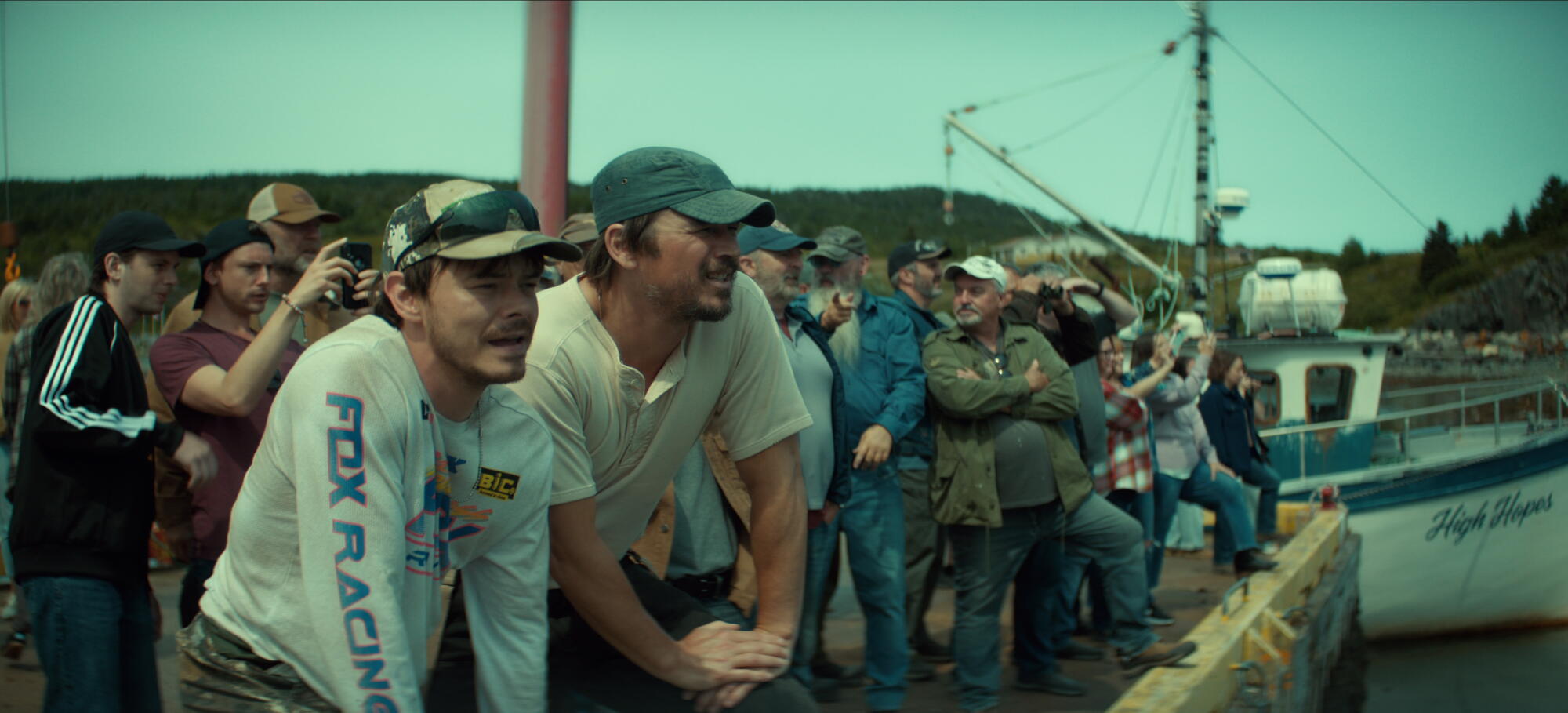
The image of a home being moved across open water is frightening because it is also intimate. A house represents routine, family photographs, memories, and the ordinary sense that there is somewhere you belong. In Below, the family is not simply escaping danger; it is trying to carry its life into an uncertain future. The sea turns that effort into a catastrophe.
Calvin’s choice to cut the rope is especially painful. As a child, he makes a split-second decision to save his mother and sister, but survival comes at the cost of losing his father. The act becomes a wound he carries for decades, helping explain why adult Calvin is so protective of his own children and so determined not to surrender his town.
The real Newfoundland history behind the feeling of loss
The scene is fictional, but its emotional ingredients—forced departure, the loss of home, and a community’s struggle to remain in place—are recognizable in Newfoundland’s history. Fishing communities across the province have faced economic upheaval, population decline, and resettlement pressures. The collapse of northern cod stocks and the 1992 fishing moratorium caused severe disruption to coastal livelihoods and to the identities built around them.
That history does not mean Calvin’s story directly recreates one specific real family’s experience. Instead, the series uses a fantastical disaster to explore a familiar question: what happens when people are told that the place they belong to can no longer sustain them—or that someone else has the power to decide where they should live?

Why the scene matters to the rest of Below
The opening tragedy is not just background information. It links Calvin’s private grief to the larger conflict over Snook’s Arm, where residents face pressure to leave their homes and surrender control of their future. The creature may be the most visible danger, but the threat of losing a community is more familiar—and arguably more painful.
That is where the series’ environmental themes and family drama intersect. The ocean provides food and identity, but it is also unpredictable. Economic forces can be just as destabilizing as the mysterious creature. By placing those threats together, Below asks whether a community can hold on to its history when the conditions that sustained it are changing.

What the cast has said about the show’s emotional core
In Netflix Tudum’s coverage, creator Jesse McKeown describes Newfoundland as a place of rugged isolation as well as warmth and humor. Hartnett also discusses how he learned about the province’s history and the impact that the collapse of the cod fishery had on local people. That background helps explain why the series’ community feels like more than a disposable setting for a monster story.
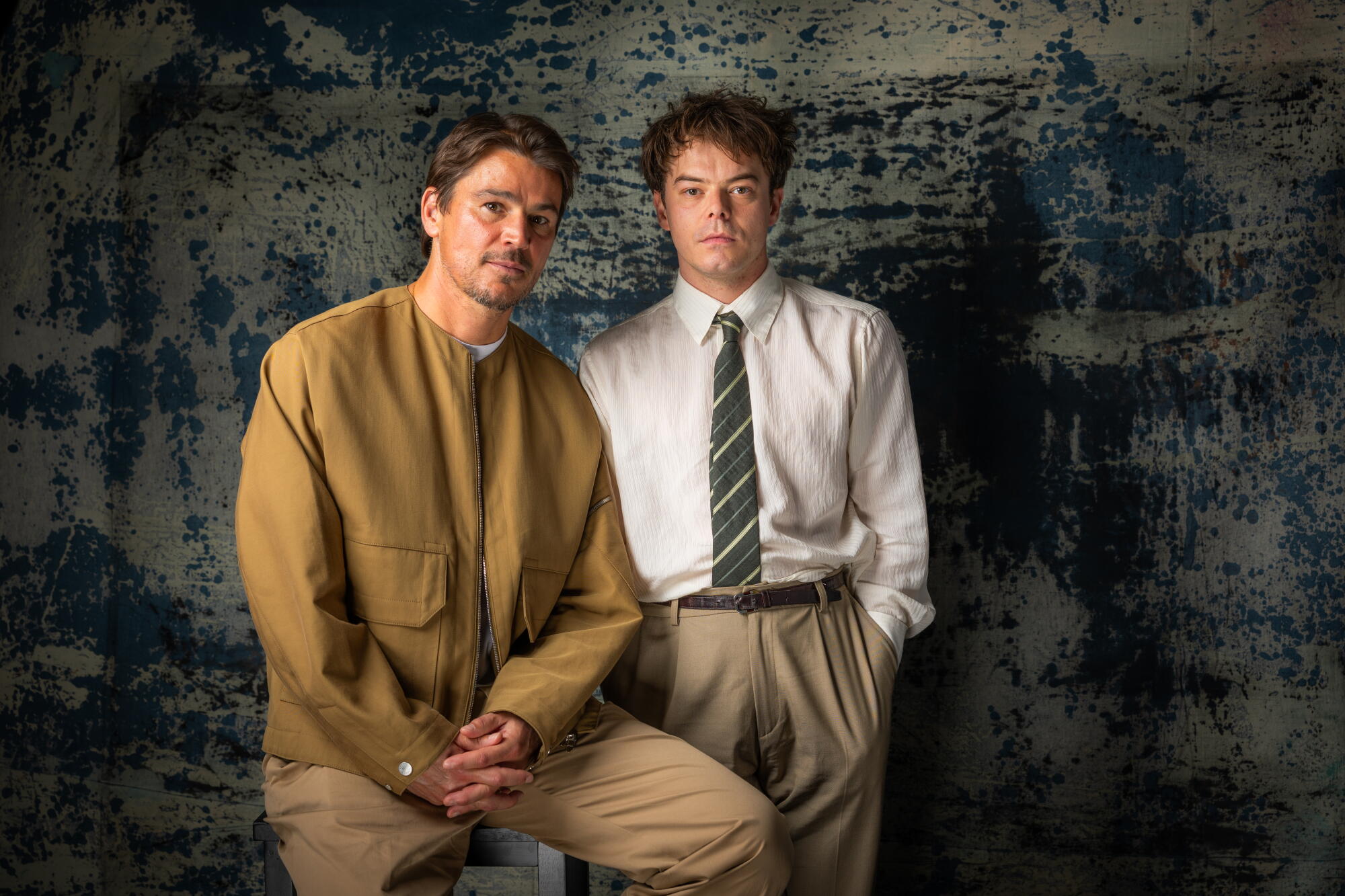
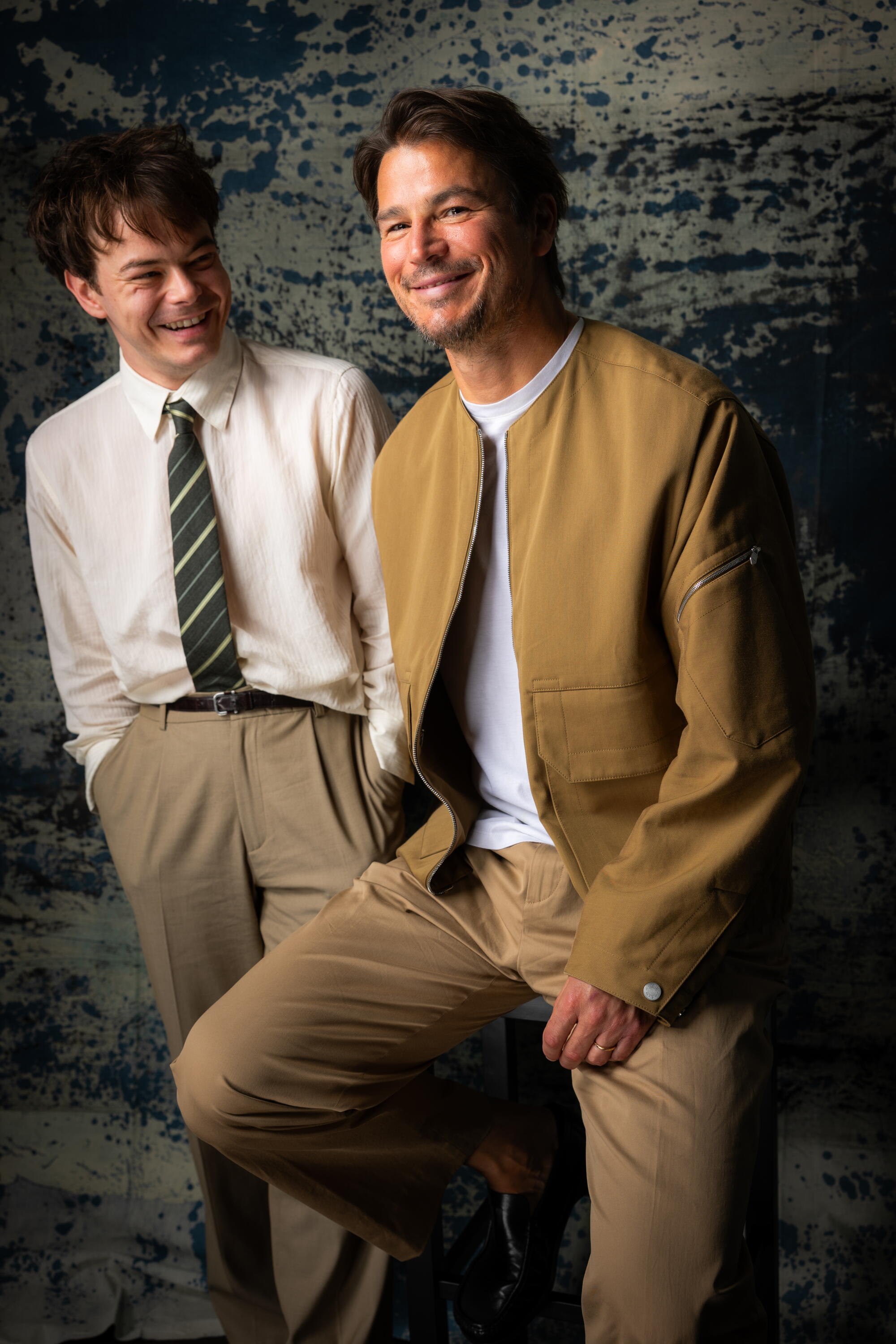
A separate Los Angeles Times interview with Hartnett and Charlie Heaton focuses on the father-son relationship at the center of the show. Their performances give the story an emotional anchor: even when the plot becomes strange, the fear of losing family remains understandable.
Watch the official trailer
The trailer offers a glimpse of the show’s coastal atmosphere and the danger that interrupts the Penney family’s life.
Is the house scene based on a true story?
The house being towed across the water and the tragedy involving Calvin’s father are fictional events in Below. The scene draws emotional force from broader themes of displacement and Newfoundland’s fishing-community history, but it should not be presented as a reenactment of one documented real incident.
Did Newfoundland locals say the scene made them emotional?
I could not verify a specific public statement or survey establishing that local viewers collectively singled out this scene. What can be supported is that the series was filmed in Newfoundland, drew on the region’s history and culture, and explores the loss of home and community—subjects that may resonate strongly with people familiar with the province.
Why this may be Below’s most heartbreaking scene
The house-towing sequence turns a supernatural mystery into a story about family, displacement, and the price of survival. It gives Calvin a reason to fear losing his children and his town, while connecting the show’s fictional horror to real pressures that have affected coastal communities. The monster is frightening because it comes from the sea; the scene is heartbreaking because it takes away a home.
Sources
- Netflix Tudum: Below trailer, story, cast, and filming location
- Netflix Tudum: Josh Hartnett on researching Newfoundland for Below
- Netflix Tudum: Below ending explained
- Reuters: Below cast credits Newfoundland community for the show’s charm
- Los Angeles Times: Josh Hartnett and Charlie Heaton on the father-son bond in Below
By Shivam Das






