

Netflix’s Below may begin with a nightmare beneath the North Atlantic, but its mix of oddball locals, clues, family secrets, and a creature mystery can sometimes feel closer to a live-action Scooby-Doo adventure than to the slow-burn dread of Widow’s Bay. That comparison is about storytelling style—not a claim that the shows share the same plot. Below is a Newfoundland-set supernatural thriller, and its most distinctive trick is that it keeps moving between genuine horror, small-town comedy, and a mystery that invites viewers to work out what is happening alongside its characters.
Why the Scooby-Doo comparison makes sense
The obvious difference is that Below is not a cartoon mystery. Josh Hartnett plays Calvin Penney, a fisherman trying to protect his family and his community after an unidentified sea creature begins terrorizing their town. The danger is real within the show, the stakes are personal, and the series explores grief, economic pressure, and environmental change.
But the classic Scooby-Doo formula is not only about comedy or a dog chasing snacks. It is also about a group of people investigating strange events in a place where something does not add up. The team follows clues, tests explanations, questions suspicious behavior, and gradually discovers that the apparent monster is connected to a larger story. Below uses a darker, more adult version of that mystery engine: the residents investigate unusual events while trying to understand what the water is hiding.
That structure can create a familiar pleasure for viewers. Every new incident raises a question. Every local has a history. The town itself becomes a puzzle, and the supernatural threat is only one part of what needs explaining. When a series balances fear with curiosity, it can feel like a creature mystery as much as straight horror.
Small-town eccentricity is part of the appeal
Netflix’s official series guide describes Below as a story that blends local myth, suspense, and heartfelt humor. Creator Jesse McKeown has also talked about Newfoundland as a place that feels rugged and isolated while being full of warmth, humor, and distinctive personalities. That combination matters: a town can feel believable and welcoming even when the story happening there is deeply strange.
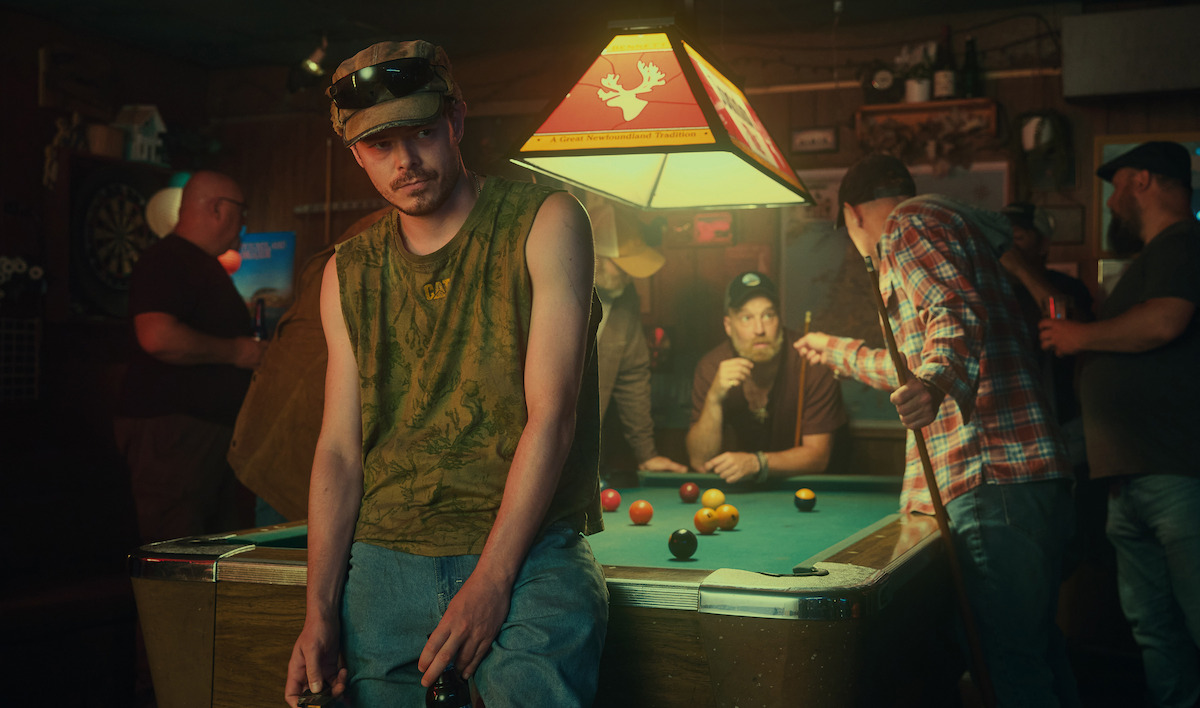
In a conventional monster movie, the supporting characters may exist mainly to run away, deliver warnings, or become victims. In a community mystery, the residents have their own loyalties, grudges, jokes, and competing explanations. Their everyday behavior can be funny without turning the danger into a joke. It also means the investigation has a social dimension: finding out what happened requires understanding who these people are and what they stand to lose.
That is where the comparison to Scooby-Doo becomes more interesting than a simple genre gag. Both kinds of stories can turn a seemingly isolated location into a network of clues and personalities. The tone is very different, but the satisfaction of gradually connecting the pieces is recognisable.
How Below differs from Widow’s Bay
Widow’s Bay and Below both draw tension from isolated coastal communities and the feeling that local life is shaped by something uncanny. That overlap makes comparisons understandable, but it does not mean they use the same rhythm or approach.
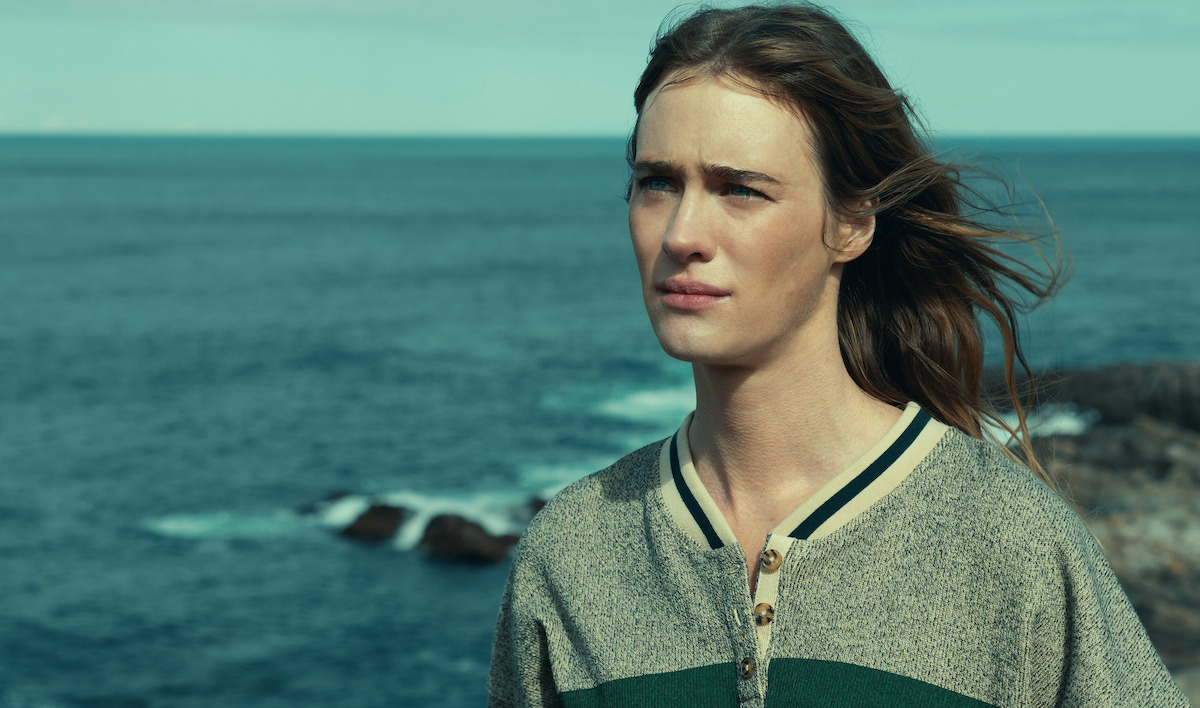
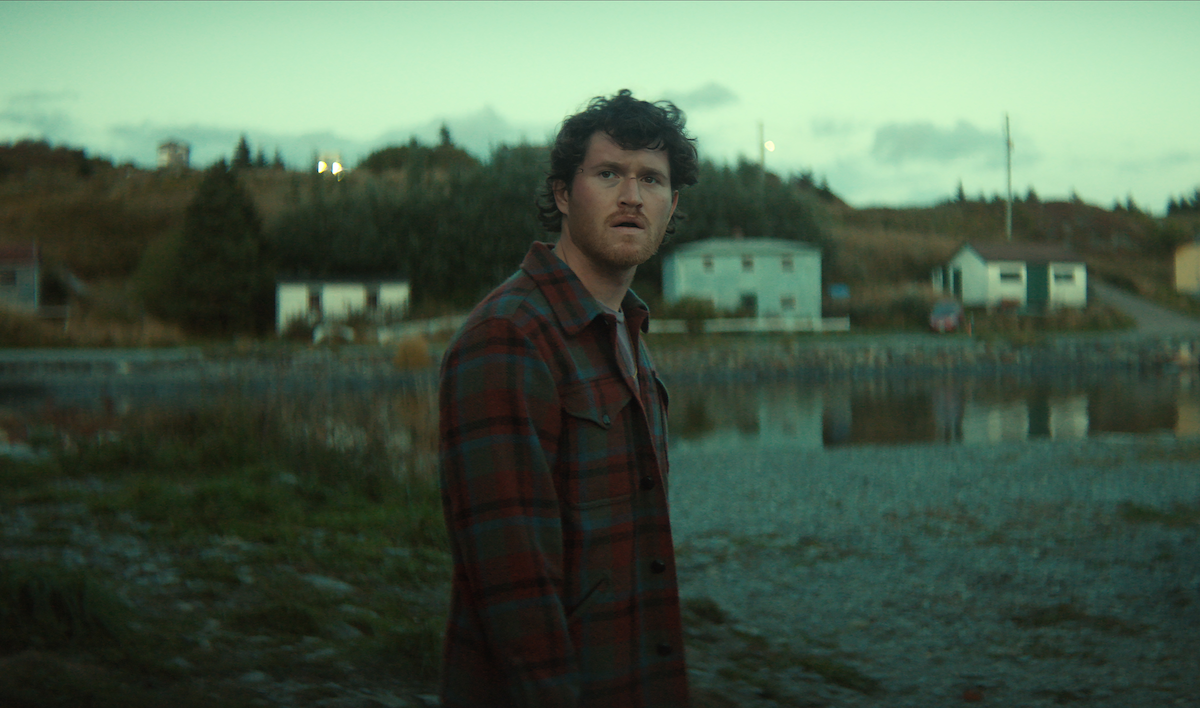
Below is built around a working fishing town, a family under strain, a mysterious sea creature, and a threat to the community’s future. Calvin teams up with marine researcher Dr. Fonda Howander, played by Mackenzie Davis, while his son Wade—played by Charlie Heaton—adds another complicated strand to the family story. The creature mystery is intertwined with a wider conflict over the town’s future and the way its residents make a living.
As TheWrap’s review of Below notes, the series sits in the current wave of creepy-island television and can be compared with Widow’s Bay. The important distinction is that Below grounds much of its tension in family responsibility, fishing culture, and the pressure facing a small community. Its horror is not just “what is in the water?” but also “what happens to these people if their home disappears?”
The creature is scary—but the questions are what keep the story moving
A creature feature has a built-in challenge: once the audience sees the monster clearly, some of the mystery can disappear. Below tries to keep the story alive by making the creature part of a broader chain of questions. What is happening to the water? Why are people experiencing strange events? What can the scientific evidence explain, and what remains uncertain? And how much danger comes from the creature itself versus the choices people make around it?
This approach gives the audience more than a sequence of attacks. It lets viewers form theories, reconsider earlier scenes, and argue about which clues mattered most. That is another reason the show may remind some people of a mystery-solving adventure: the fun is partly in trying to get ahead of the characters, even while the atmosphere remains ominous.
Still, the comparison has limits. Below deals with loss, family conflict, and the vulnerability of a community facing forces beyond its control. Its humor can ease the tension, but it does not erase the consequences. The series is closer to a dark, character-driven creature mystery than a lighthearted whodunit.
Why the setting makes the mystery feel different
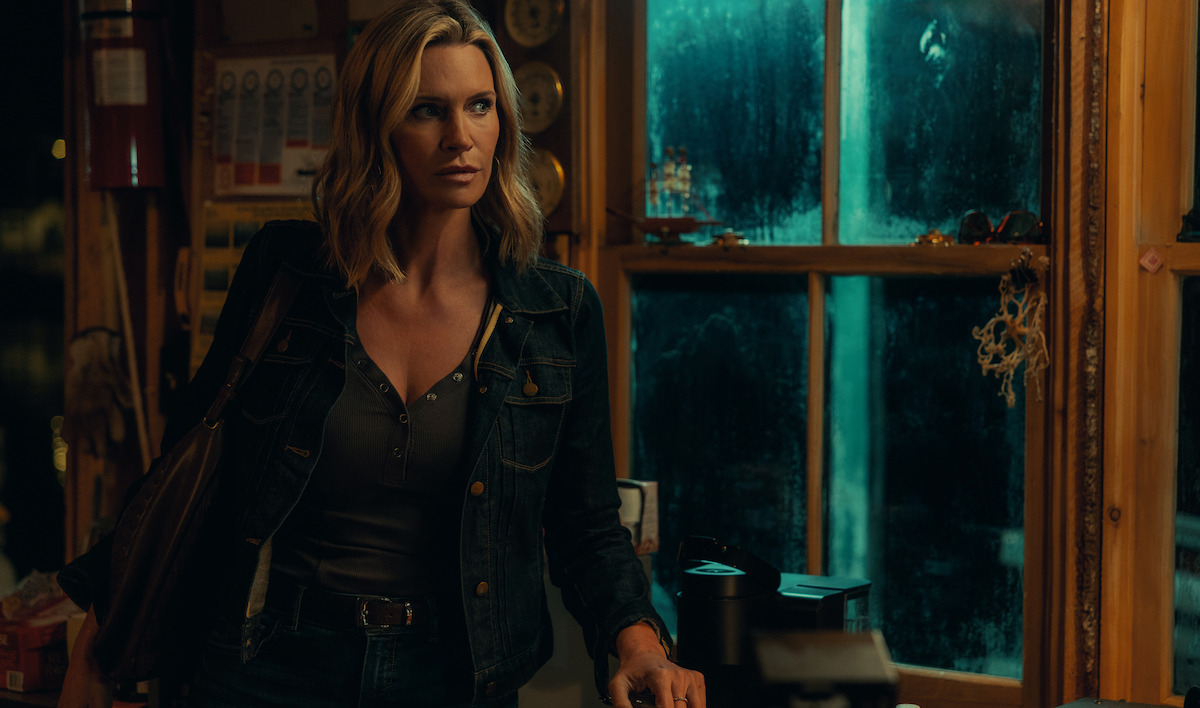
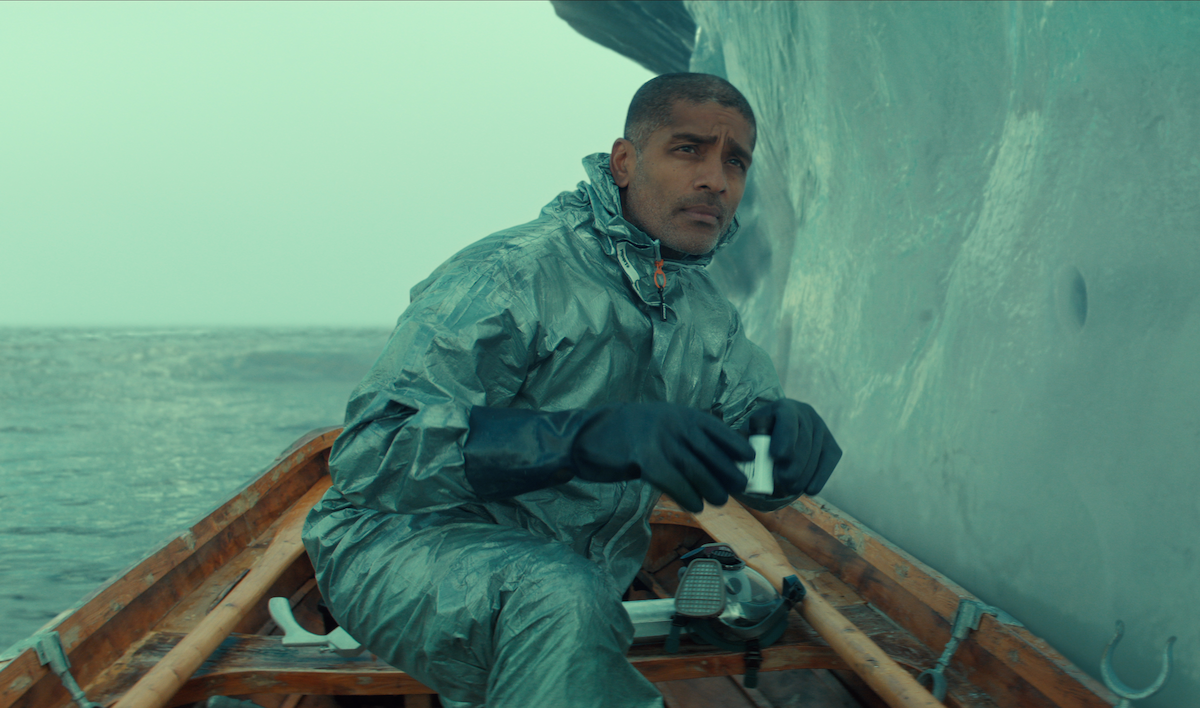
Newfoundland is not a generic backdrop in Below. The fishing economy, weather, geography, and tight-knit social world all shape what the characters can do. The ocean is a workplace, a source of identity, and a threat. When the sea becomes dangerous, the community cannot simply walk away from it without also losing a part of its livelihood and history.
That gives the show a different emotional center from a mystery in which the heroes can solve the case and move on. Even if the residents identify the immediate danger, they still have to face the ordinary pressures that were there before the monster appeared. The threat from the water exposes the community’s existing vulnerabilities rather than replacing them.
Is Below more like Scooby-Doo or Widow’s Bay?
The fairest answer is that it borrows pleasures associated with both kinds of story without being identical to either. The Scooby-Doo comparison captures the clue-driven structure, the ensemble of memorable locals, and the question of what is really behind a frightening event. The Widow’s Bay comparison captures the uneasy coastal setting and the idea that a community’s folklore and everyday life can coexist with the uncanny.
Which side stands out more will depend on what a viewer wants from horror. Someone looking for relentless dread may find the humor and investigative structure soften the fear. Someone who enjoys mysteries, eccentric communities, and creature stories may find that mixture exactly what makes Below distinctive. This is an interpretation of the show’s storytelling, not a measured claim that all—or even most—viewers share the same opinion.
Watch the official Below trailer
The official trailer gives a useful preview of the show’s blend of coastal atmosphere, family drama, and unexplained danger.
Frequently asked questions
Why does Below remind some viewers of Scooby-Doo?
Both stories use strange events, clues, suspicious circumstances, and a group of characters trying to understand what is happening. Below uses that mystery structure in a darker supernatural drama, with higher emotional stakes and a more serious creature threat.
Is Below a comedy or a horror series?
Below is a supernatural thriller with horror, family drama, mystery, and moments of humor. Netflix describes it as blending local myth, suspense, and heartfelt humor.
Is Below connected to Widow’s Bay?
No. They are separate series. Comparisons are based on their coastal settings and uncanny small-town atmosphere, not a shared story or fictional universe.
Who stars in Below?
The series stars Josh Hartnett as Calvin Penney, Mackenzie Davis as marine researcher Fonda Howander, and Charlie Heaton as Wade Penney, alongside an ensemble of characters from the Newfoundland community.
Sources
- Netflix Tudum: Below trailer, cast, plot, and photos
- Netflix Tudum: Below cast guide
- TheWrap: Below review
- Netflix: Watch Below
By Shivam Das






