

Warning: spoilers for the full season of Netflix’s Below.
Below begins with the kind of mystery that makes a creature thriller hard to stop watching: something is moving beneath the water, a Newfoundland fishing town is in danger, and the people living there do not know what the threat wants. But as the six-part series moves into its second half, the central question changes. The mystery becomes less about what is lurking offshore and more about what the creature means—and that shift helps explain why some viewers may find the monster less frightening later on.

Why Below’s first half feels scarier
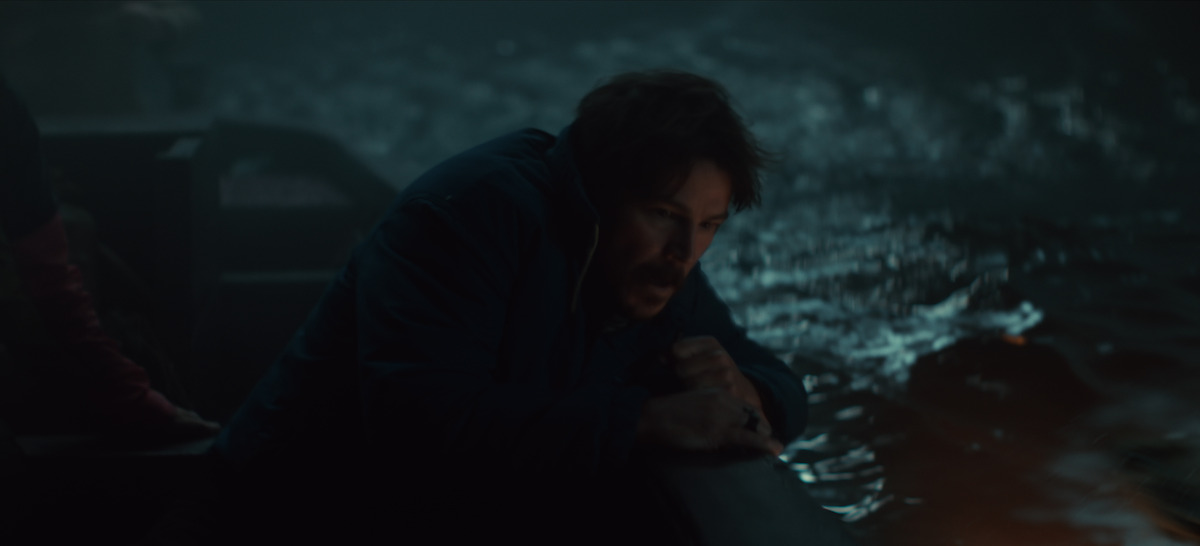
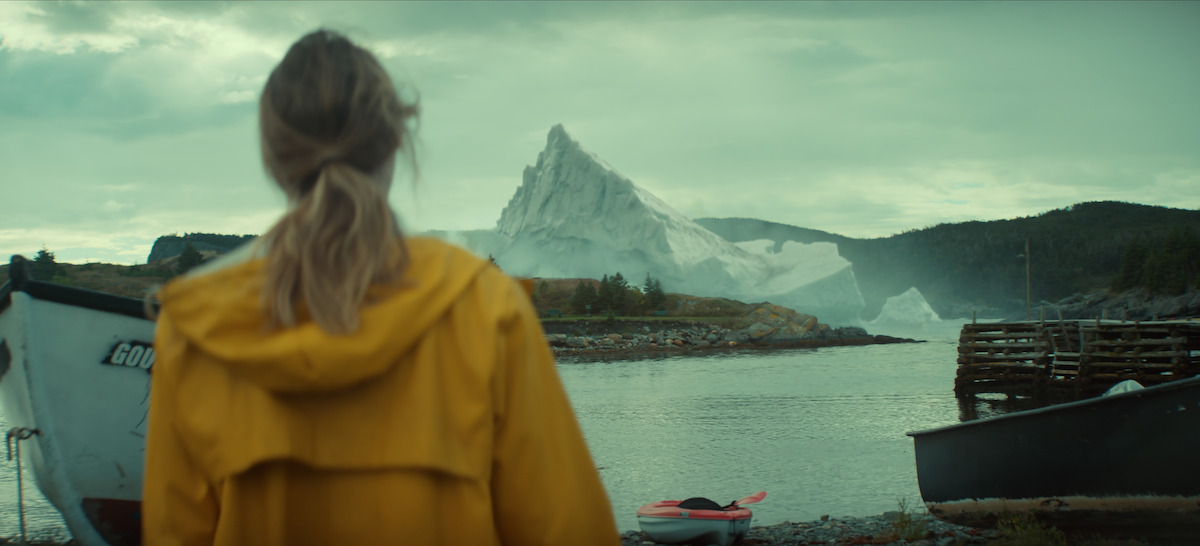
Early in Below, the threat is frightening partly because it is difficult to understand. Strange incidents around Snook’s Arm, a dangerous iceberg, and unexplained symptoms leave the characters—and the audience—working with incomplete information. The show uses the ocean’s darkness and the town’s isolation to make every trip onto the water feel risky.
That uncertainty is a powerful horror tool. When viewers cannot see the creature clearly or predict its behavior, ordinary sounds and movements become suspicious. The show’s maritime setting adds to the effect: the characters depend on the sea for their livelihoods, yet the water also hides the danger they cannot control.
The reveal changes the kind of story Below is telling
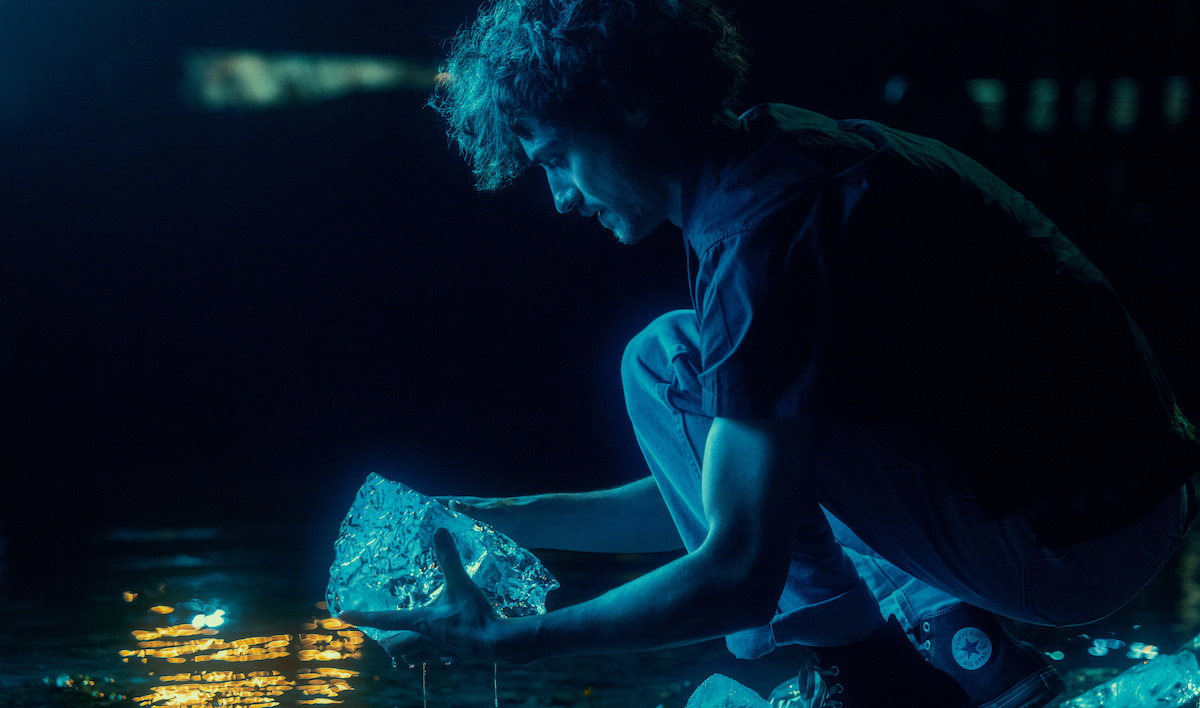
As the season explains more about the creature, it also reframes the audience’s understanding of the danger. The marine researcher Fonda Howander discovers that the creature is protecting its egg sac, which is threatened by warming water. The monster is not simply a malicious predator; it is an animal reacting to conditions that put its offspring at risk.
That reveal gives the story an emotional and environmental dimension, but it changes the horror equation. A mystery built on an unknowable attacker becomes a story about a creature whose behavior can be understood. Sympathy replaces some of the fear. That is not automatically a flaw—many memorable monster stories ask audiences to rethink who the real monster is—but it does mean Below is no longer playing the same game it played in its opening episodes.
Critics noticed the second-half shift, too
The reaction is not simply a matter of viewers wanting a bigger monster attack every episode. In its October 9 first-review roundup, Rotten Tomatoes noted that critics generally found the series worthwhile but that its limited runtime left the second half lacking. The roundup includes reviews that praise the atmosphere and performances while questioning whether all the plot threads pay off.
TheWrap’s review similarly argues that the story becomes overcomplicated, with several subplots competing for space. The Guardian takes a more amused view of the show’s outrageous horror ingredients, suggesting that its environmental ideas can get buried beneath its eccentricity and creature-feature excess.
These reviews do not all make the same criticism, and they do not prove that every audience member loses interest. They do, however, point toward a common structural challenge: once Below expands from a focused sea-monster mystery into a story about family trauma, corporate extraction, resettlement, and climate change, it has more ideas to resolve in the same limited number of episodes.
The human villains take over the tension
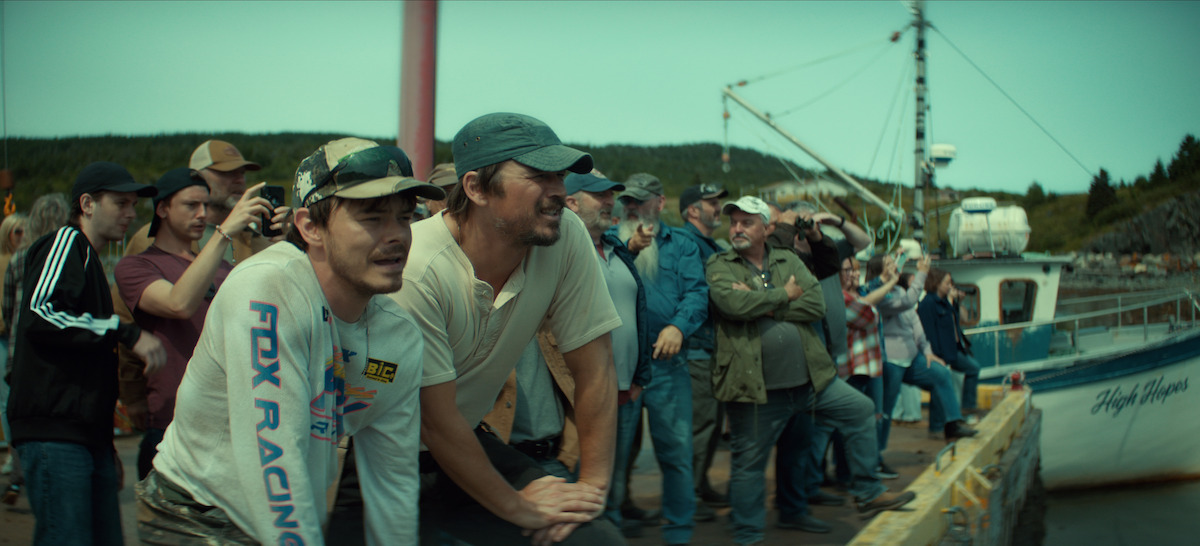
The later episodes reveal that the wealthy Crocker family has been using the crisis to push residents out of Snook’s Arm and gain access to valuable mineral resources. This shifts the central conflict away from surviving a mysterious animal and toward resisting people who are willing to exploit fear for profit.
There is a strong idea here: a creature that looks terrifying may be acting defensively, while the respectable people promising to save the town have a financial motive. The problem is not the theme itself. It is the balance. When corporate manipulation and family secrets begin to dominate the plot, the creature can feel less like the main source of suspense and more like one piece in a much larger puzzle.

Climate horror is the deeper threat—but a different kind of scare
The climate-change story gives Below its most unsettling real-world parallel. The creature’s egg sac cannot survive in water that has become too warm, and the melting iceberg helps set the disaster in motion. The horror is no longer only that something dangerous has emerged from the sea; it is that a fragile ecosystem is changing in ways the town cannot easily reverse.
Netflix’s official creature explainer consulted marine biologist Dr. Annie Mercier, who helped distinguish the show’s fiction from real cephalopod biology. The article notes that giant squids are real, but the series’ attacks on people are highly fictionalized. That distinction matters: the show uses science as a starting point for a speculative story, not as evidence that a giant squid is likely to terrorize a real coastal town.
Could Below have kept the monster scarier?
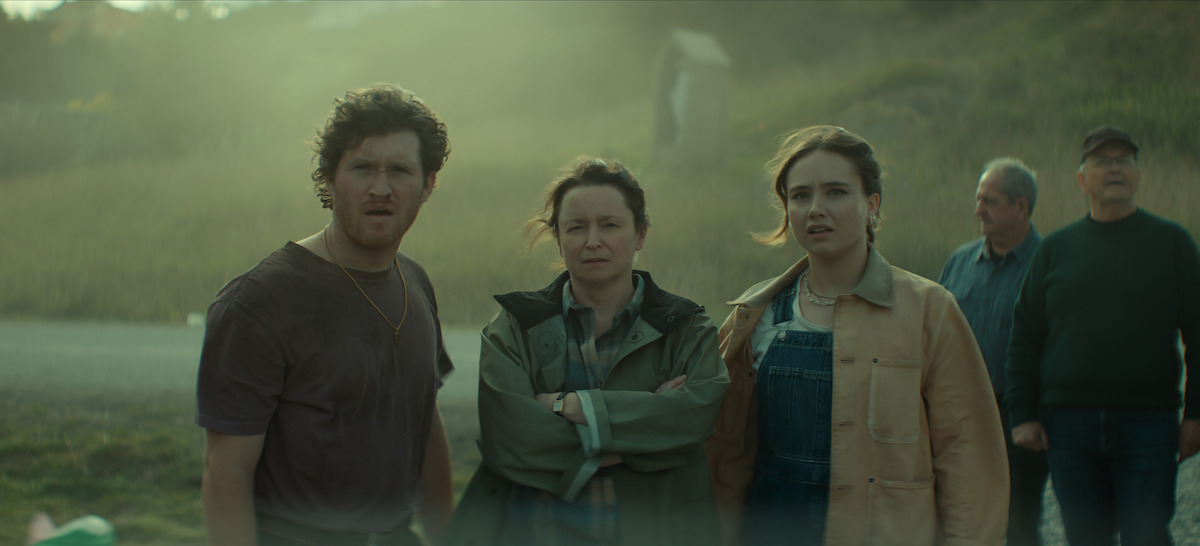
One option would have been to preserve more uncertainty about the creature even after revealing its motives. The audience can understand why an animal is protecting its young without knowing exactly what it will do next. More scenes that build tension around the characters’ limited knowledge, the risks of moving across open water, or the consequences of a failed plan could have kept the creature frightening while allowing the environmental theme to remain intact.
The other challenge is pacing. With six episodes, Below has limited time to develop its family drama, local politics, corporate conspiracy, folklore, and creature mythology. Some viewers may welcome that ambition; others may feel that the central threat loses focus just as the story starts explaining it.
Watch the official Below trailer
The trailer shows how the series balances an unseen threat with the pressures facing a coastal community. It is a useful preview of the show’s eerie atmosphere, although it does not capture every turn the story takes in its later episodes.
Does Below get less scary in the second half?
For some viewers, it may. The series gradually explains the creature’s motives and gives more attention to corporate greed, family trauma, and climate change. That adds emotional meaning but reduces some of the uncertainty that made the early episodes frightening.
Is the monster really the villain in Below?
Not entirely. The story reveals that the creature is trying to protect its egg sac in warming water. The Crocker family’s plan to exploit the town’s resources makes human greed a major source of danger, complicating the idea of a simple monster-versus-people story.
Is Below still worth watching?
If you enjoy atmospheric creature features with family drama and environmental themes, Below may still be worth the binge. If you mainly want a relentlessly frightening sea-monster story, the shift in the second half may feel less satisfying. The series’ biggest trade-off is that it exchanges some mystery for meaning.
Sources
- Rotten Tomatoes — Below First Reviews
- TheWrap — Below review
- The Guardian — Below review
- Netflix Tudum — Could the Sea Creature in Below Really Exist?
- Netflix Tudum — What Happens at the End of Below?
By Shivam Das






