

The opening of Netflix’s Below begins with a haunting image: a family’s house being towed across the water before something unseen drags it beneath the surface. The scene is fictional, but it draws on a real part of Newfoundland’s history: families in isolated coastal communities sometimes moved entire houses by boat when communities were resettled or when buildings needed to be relocated.
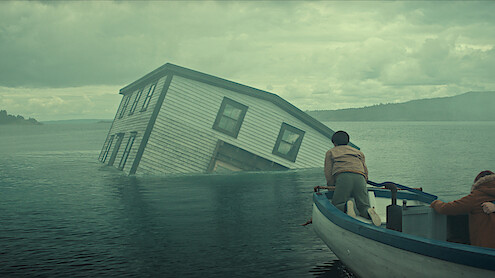
Netflix’s official Tudum guide to Below confirms that the series opens with a house being towed across the sea and then pulled underwater. Creator Jesse McKeown described the idea as a dreamlike image of migration and uncertainty that becomes something terrifying.
Why would a house be towed across the water?
Newfoundland’s coastline includes many small outport communities historically connected by boats and the sea. In some cases, residents moved buildings rather than abandon them, especially when relocation or changing local conditions forced families to leave a place. Moving a house by water is unusual today, but it is not pure fantasy: house-moving and community resettlement are part of the region’s lived history.
The series uses that image to communicate loss before the audience fully understands the danger. A house represents more than a structure. It holds a family’s memories, routines, and sense of belonging. Seeing it float away makes the family’s displacement physical—and then the unexplained force beneath the water turns that displacement into horror.
The opening scene connects to the story of resettlement
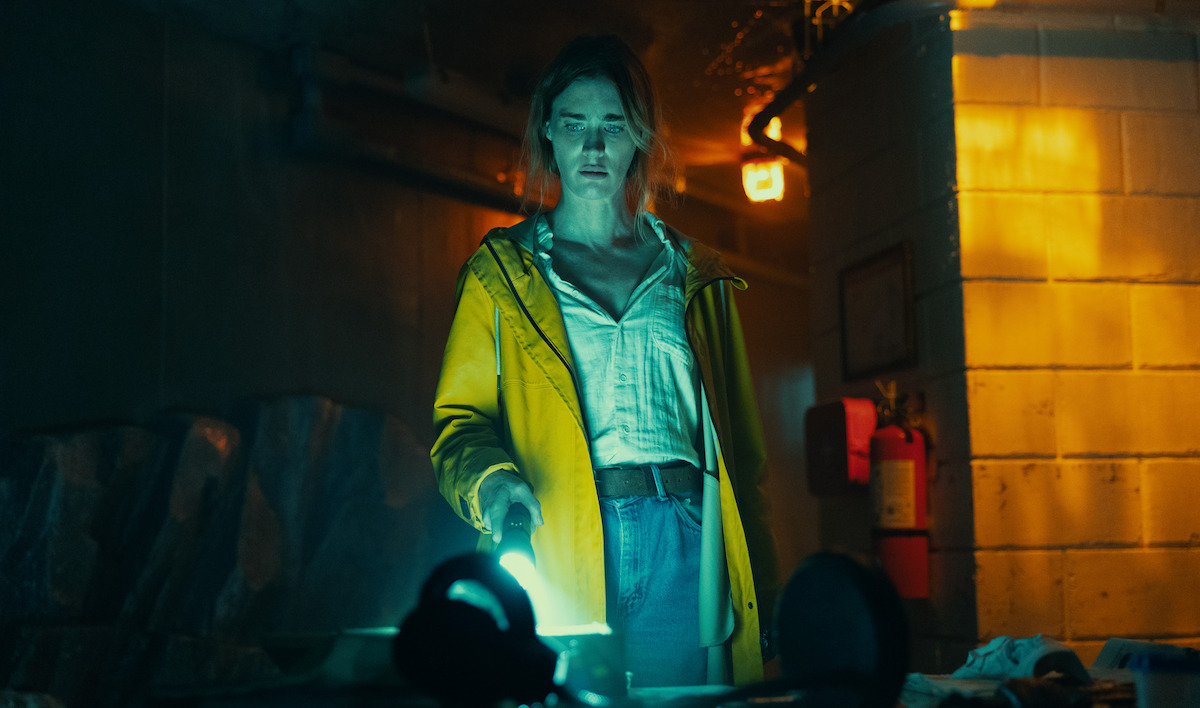
In Below, young Calvin Penney’s family is leaving its home island when the house is dragged under, with his father still inside. The trauma shapes Calvin decades later, when he is trying to keep his own community together while outside interests push residents to consider leaving. The opening therefore sets up the series’ central conflict: who gets to decide whether a community survives in the place it calls home?
Newfoundland’s resettlement history gives that question real-world context. Government-supported resettlement programs encouraged people in small, isolated communities to move toward larger settlements where services and jobs were more accessible. The process affected families and local identities, and it remains part of the province’s social memory. The show’s fictional plot should not be mistaken for a documentary account, but its themes draw on recognizable regional history.

How the house scene establishes the series’ mood
Rather than introducing the monster with a clear reveal, the scene keeps the threat largely out of sight. The audience sees the water, the house, and the family’s panic before understanding what is pulling them down. That choice makes the ocean feel both beautiful and unknowable—an environment the characters depend on but cannot control.
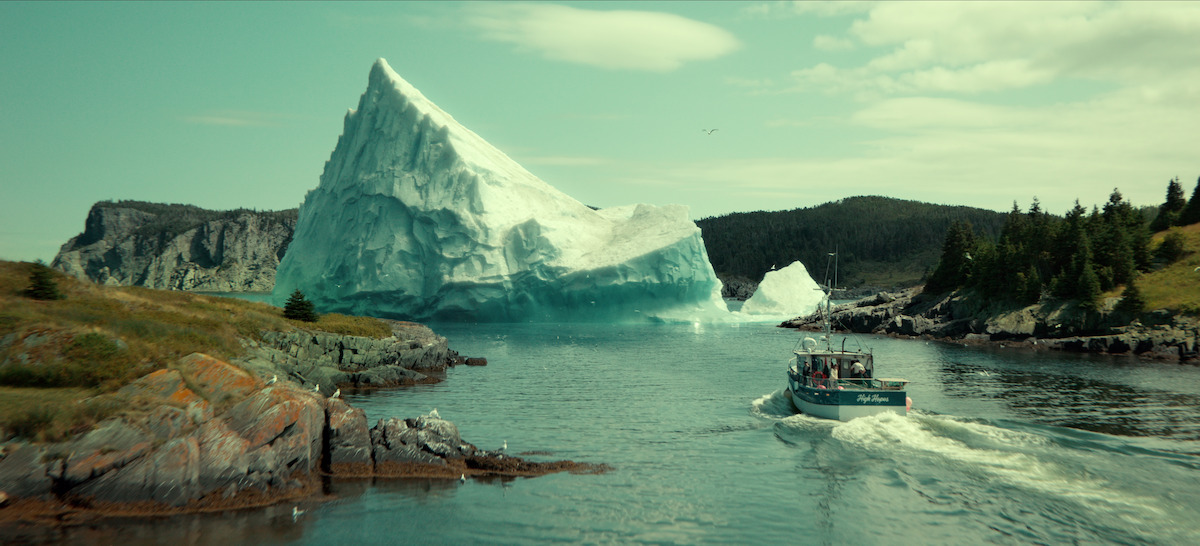
The image also establishes the scale of the danger. A house is heavy, familiar, and solid on land; in open water it becomes vulnerable. That contrast is the essence of Below: ordinary lives and close-knit communities set against forces that are difficult to explain or resist.

Is the house-towing scene based on a true story?
The scene is part of the fictional story, not a literal retelling of one verified family’s experience. However, moving houses and the history of resettlement in Newfoundland provide a real cultural and historical backdrop. Netflix’s coverage identifies the scene as the series’ opening image and describes the creative intention behind it.
Where can you watch Below?
All six episodes of Below are available on Netflix’s official series page. The series stars Josh Hartnett, Charlie Heaton, and Mackenzie Davis and is set in the fictional community of Snook’s Arm, Newfoundland.
The takeaway: The house being towed into the ocean is more than a striking horror image. It introduces the series’ themes of displacement, family memory, and the fight to protect a community—while turning Newfoundland’s real history of coastal life and resettlement into a chilling fictional mystery.
Sources
- Netflix Tudum: Below trailer, cast, plot, and opening scene
- Netflix Tudum: Below ending explained and the Penney family’s history
- Decider: Below review and opening-shot description
By Shivam Das






