

Netflix’s Below draws much of its atmosphere from Newfoundland and Labrador’s real Atlantic coastline, where icebergs are a seasonal fact of life—not just a horror-story prop. The series follows fisherman Calvin Penney, played by Josh Hartnett, as an ominous iceberg arrives near his fictional community and becomes tied to the show’s larger sea-creature mystery. The setting is grounded in a real region, even though the iceberg’s supernatural secrets belong to fiction.
The key distinction: Netflix confirms that Below was filmed on location in Newfoundland, and official coverage describes its coastal setting. Publicly available production material does not establish that every iceberg shot uses an untouched, naturally occurring iceberg rather than a combination of location footage, visual effects, and other production techniques. The most accurate explanation is that the series uses a real iceberg region to make a fictional threat feel physically possible.
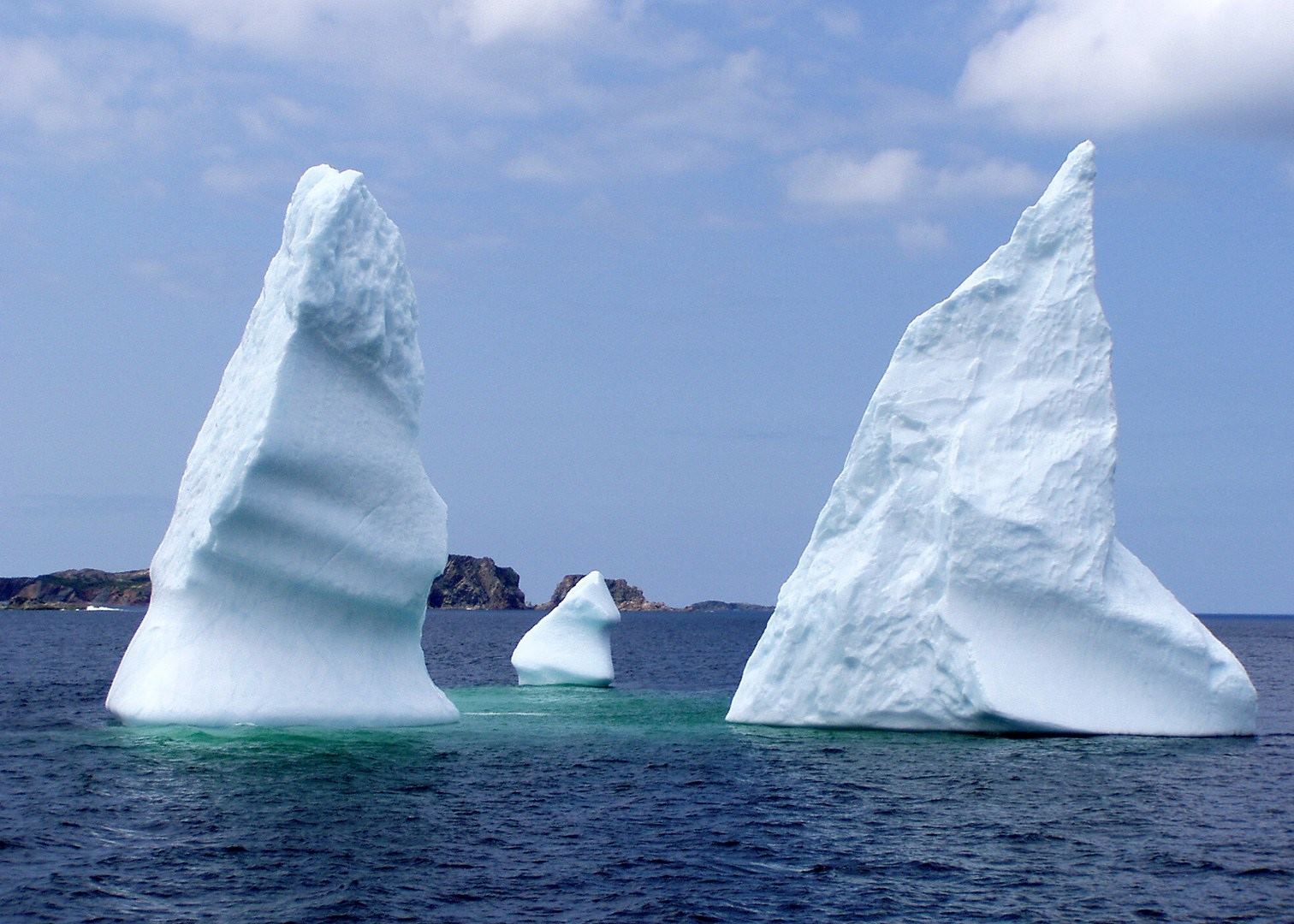
What Iceberg Alley actually is
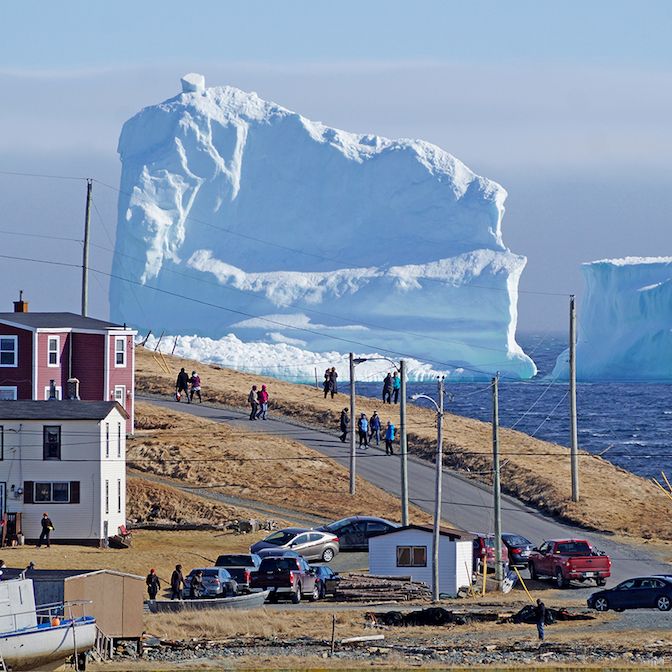
Iceberg Alley is the name commonly used for the stretch of Atlantic waters where icebergs drift along the Labrador and Newfoundland coast. Statistics Canada explains that many of the icebergs reaching the region begin their journey in Greenland. They are carried by ocean currents, including the Baffin Island Current and the Labrador Current, and can take roughly two to three years to reach Newfoundland waters.
That long journey matters to the visual language of Below. An iceberg is not simply a floating block of ice: it is a moving remnant of a distant glacier, shaped by pressure, waves, weather, and melting. Its visible tip can conceal a much larger mass below the waterline. That familiar physical fact gives the show’s fictional iceberg an immediate sense of scale and uncertainty.

Why a real coastline makes the story more convincing
Netflix’s official production coverage confirms that the series was filmed in Newfoundland. The province’s rugged coastline, working harbors, open water, and close-knit fishing communities give the story a specific sense of place. The show’s fictional town, Snook’s Arm, should not be mistaken for a single real settlement, but the production’s real-world setting helps the town feel lived in.
For a thriller, that difference is important. A studio tank can control the water, light, and camera movement. An actual coastal location brings changing weather, shifting reflections, wind, and the visual distance between a boat and the horizon. Those details can make a scene feel less predictable, even before the story introduces anything supernatural.
What the show changes for dramatic effect
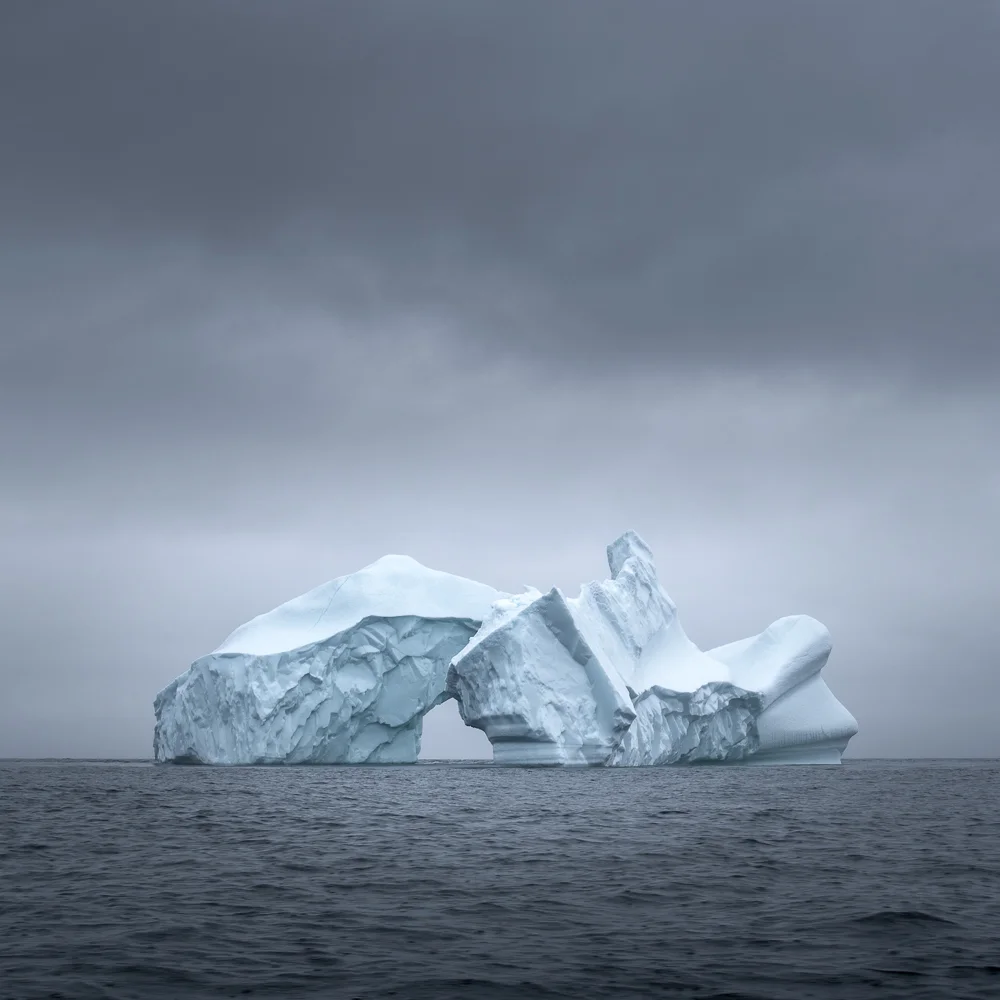
Below turns the iceberg into part of a creature mystery, connecting the ice to danger, hidden history, and the fear of what may be trapped beneath the surface. That is a fictional leap. Real icebergs can pose serious hazards to vessels, and their movement is monitored, but there is no scientific evidence that icebergs contain the kind of supernatural creature shown in the series.
The show’s central image works because it combines a real natural phenomenon with an invented threat. Viewers already understand that icebergs are enormous, mobile, and only partly visible. By placing a mystery inside that familiar uncertainty, the story makes the ocean feel both recognizable and unknowable.
Why Newfoundland’s iceberg season matters beyond television
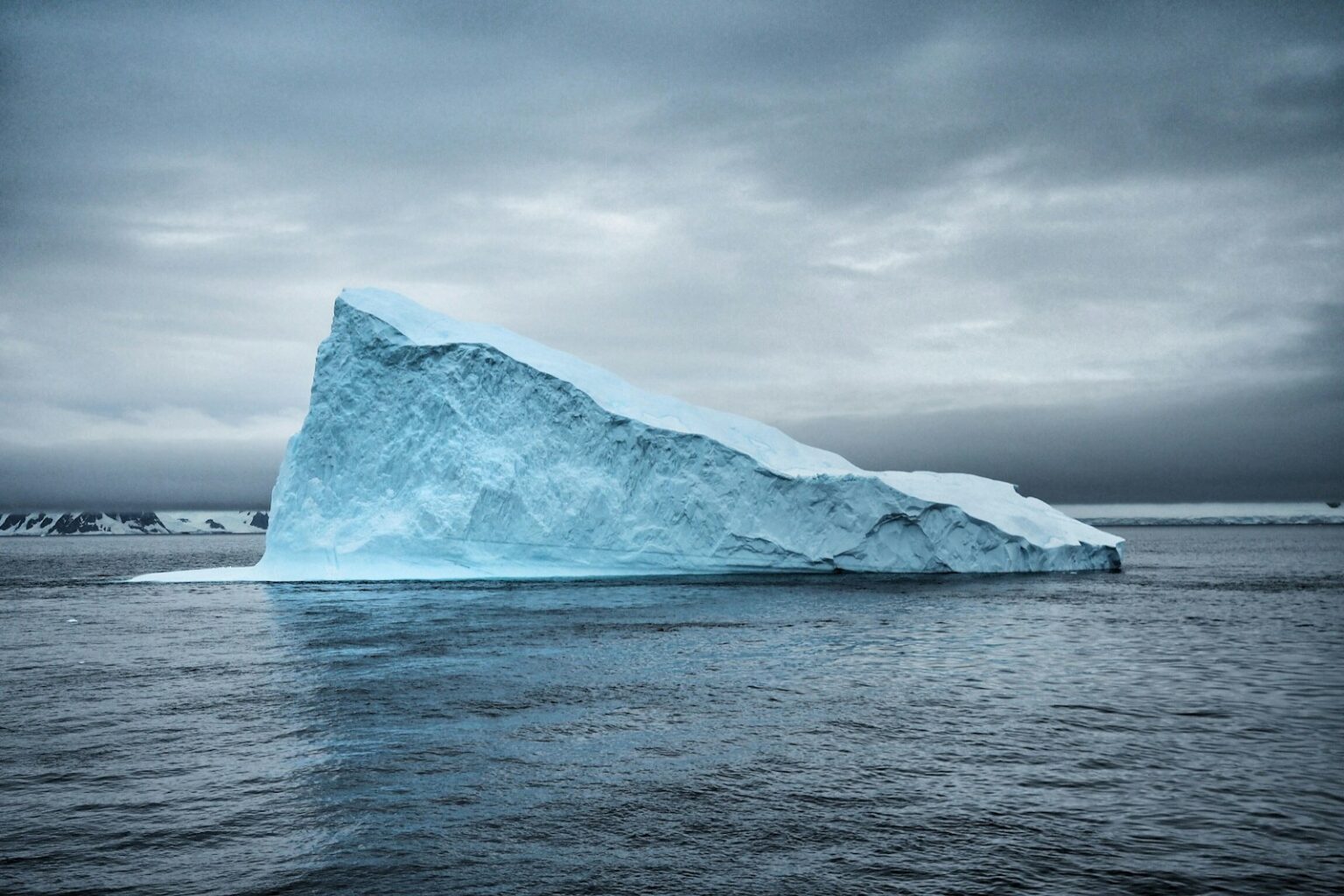
Icebergs are part of the region’s environment, tourism, and maritime culture. They can attract visitors and support seasonal tour operators, but they also require caution because their size, movement, and underwater mass can make them dangerous to approach. Government of Newfoundland and Labrador information describes iceberg tracking as a mix of satellite technology and visual reports from tourism operators and visitor-information staff.
Statistics Canada also notes that iceberg activity has environmental and economic implications. The real story is more complex than a dramatic image: icebergs are connected to distant glaciers, ocean currents, coastal ecosystems, shipping safety, and local livelihoods. That complexity is one reason Newfoundland is such a compelling setting for a story about people whose lives depend on the sea.
Watch the official Below teaser
Netflix’s official teaser introduces the show’s uneasy relationship with the water and its Newfoundland setting.
Quick answer: Does Below use real icebergs?
Below was filmed on location in Newfoundland, a region known for real icebergs drifting through Iceberg Alley. That real setting contributes to the series’ atmosphere. However, available public production information does not confirm that every iceberg shot uses a naturally occurring iceberg without visual effects or other production techniques. The creature and the iceberg’s supernatural role are fictional.
Frequently asked questions
Where is Iceberg Alley?
Iceberg Alley refers to waters along the Labrador and Newfoundland coast where icebergs drift south from Arctic regions, many originating in Greenland.
Was Below filmed in Newfoundland?
Yes. Netflix’s official coverage confirms that the series was filmed on location in Newfoundland, Canada.
Are the iceberg and sea creature in Below real?
Icebergs are real and common in the region during the season. The show’s creature and the supernatural events surrounding the iceberg are fictional.
How do icebergs reach Newfoundland?
Many travel from Greenland through Arctic and Labrador currents, taking an average of two to three years to reach the region, according to Statistics Canada and Canadian government educational resources.
Can visitors see real icebergs in Newfoundland?
Yes, during iceberg season, although sightings depend on weather, location, and the movement of ice. Visitors should follow local safety advice and keep a safe distance from icebergs.
Sources and further reading
- Netflix Tudum: Below filming, cast, and production details
- Statistics Canada: “Just the tip of the iceberg”
- Environment and Climate Change Canada: Iceberg migration
- Government of Newfoundland and Labrador: Iceberg Finder information
- Netflix: Official Below teaser on YouTube
By Shivam Das






