

In Netflix's Below, the fight over resettlement is about far more than moving houses on a map. The threatened Newfoundland community faces pressure to leave a place that carries its history, work, and identity. The Crocker business interests turn that pressure into a question of power: who gets to decide what happens to the land, and who pays the human cost?
Important context: Netflix's official series material describes a looming buyout vote over whether residents should accept money and leave. It does not, by itself, establish every detail of a specific mining-permit scheme. Reading the Crockers' influence through resource extraction is a useful interpretation of the corporate conflict, but a precise permit mechanism should not be presented as confirmed unless a scene or reliable source explicitly establishes it.
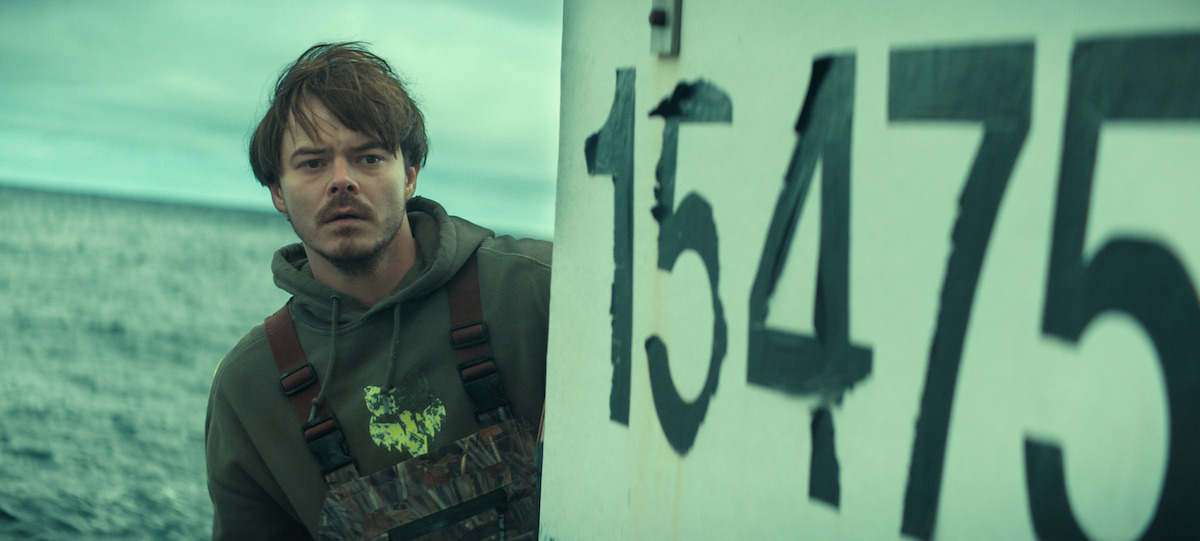
What the resettlement fight is really about
The series places a small fishing community under pressure while an unexplained creature threatens its safety. That combination matters: a town already dealing with fear and uncertainty is more vulnerable to arguments that leaving is the only sensible option. A buyout can be framed as practical help; it can also make a community's disappearance sound inevitable.
For residents, the value of a home cannot be measured only by its sale price. A coastal property may be tied to a fishing livelihood, family history, local knowledge, and relationships built over generations. Moving people can break those connections even when a financial offer looks reasonable on paper. Below uses horror to make that loss feel personal rather than abstract.
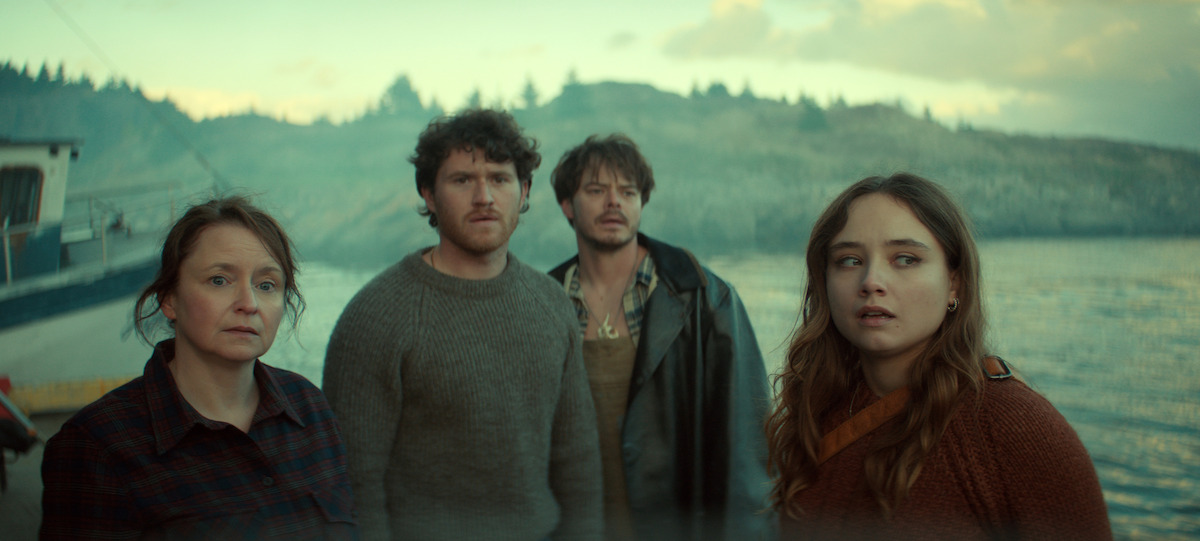
Where mining permits fit into the Crocker interpretation
Mining and other extractive permits can turn a landscape into a potential asset. Once land is viewed mainly through the value of what can be taken from it, residents risk being treated as obstacles rather than people with legitimate claims to remain. In a drama like Below, that framework helps explain why corporate influence feels threatening even before the creature appears.
But permits are not magic documents that automatically erase a community's rights. In real life, the legal effect of a permit depends on the jurisdiction, authorization type, land ownership, environmental rules, consultation requirements, and other approvals. A responsible reading separates the general politics of extraction from any specific legal claim the show does—or does not—make on screen.
That distinction makes the Crocker storyline more interesting, not less. The deeper question is whether a decision is genuinely voluntary when a community faces economic pressure, uncertainty, and a powerful outside interest. A signature may record consent, but the story asks whether the choices behind it were fair.
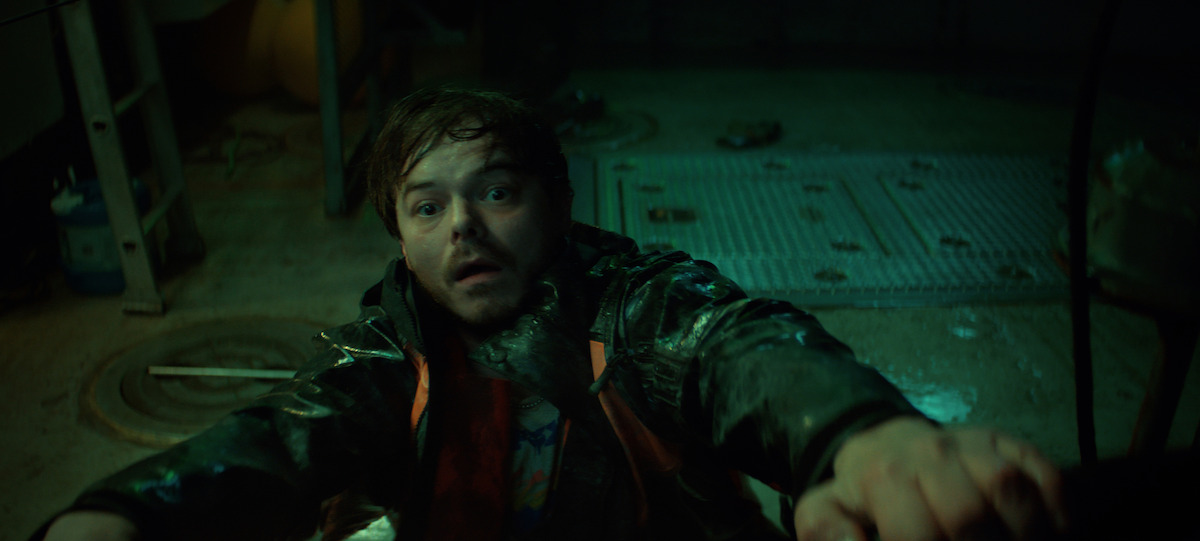
Why a buyout can divide neighbors
Resettlement stories rarely split neatly into heroes and villains. Some residents may see an offer as a chance to secure a safer future; others may see it as the final step in losing a home that cannot be replaced. Families can disagree even when they share the same fears. People are not only resisting outside power; they are also deciding what they owe one another.
There is a difference between compensating a household and preserving a community. A payment might help someone purchase another property, but it cannot automatically recreate a familiar harbor, a local support network, or a livelihood built around a particular stretch of coast. Those are the costs that financial calculations tend to leave out.
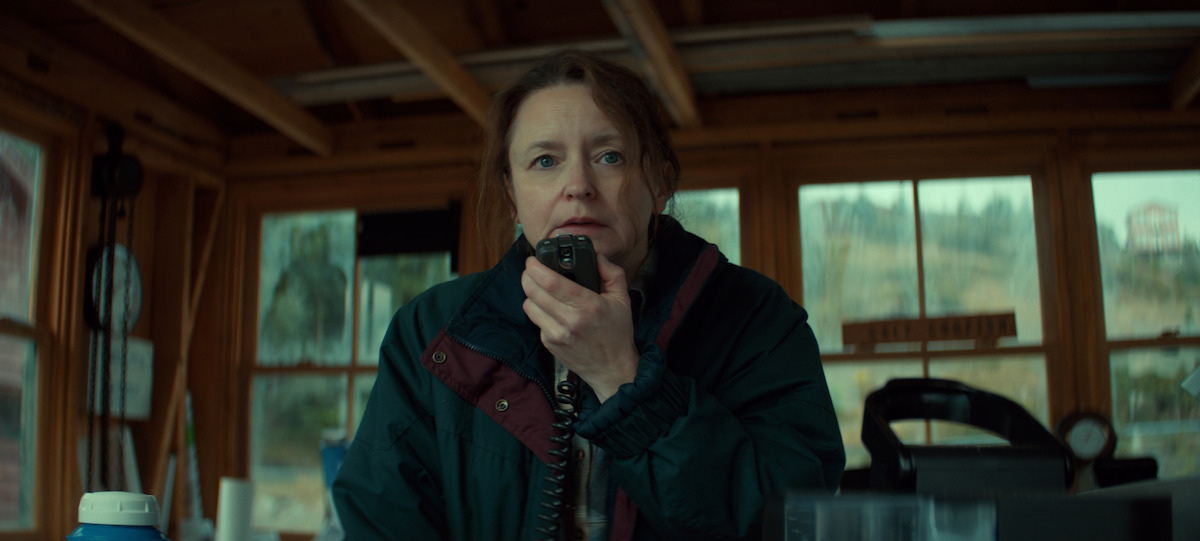
The environmental stakes beneath the horror
Below connects its creature mystery to a vulnerable coastal environment and a community whose future is already uncertain. When ecological danger, employment, and outside investment collide, the people who live closest to the consequences often have the least control over the decisions.
The show does not need to be a documentary to raise a recognizable question: who benefits when a place is treated as a resource, and who bears the risk when the plan goes wrong? Environmental decisions can affect livelihoods, public safety, cultural continuity, and the ability of future generations to remain in the places their families call home.
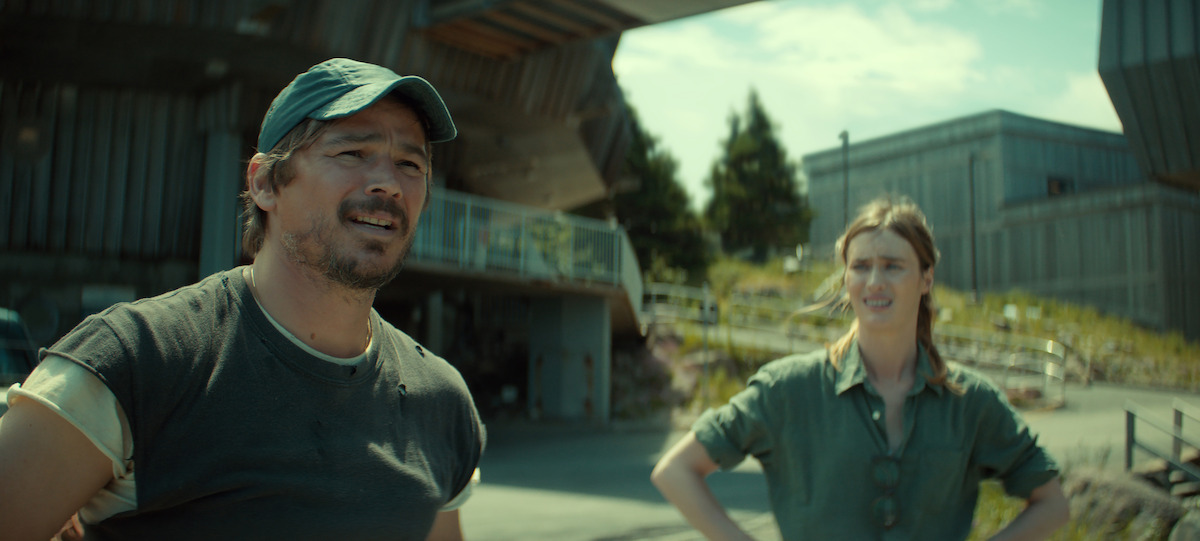
Watch the official Below teaser
The official Netflix teaser introduces the coastal setting and the threat hanging over the community. Watch it below, then revisit the resettlement vote with the difference between a promised payout and a truly free choice in mind.
What the Crocker storyline means
The most unsettling part of the resettlement plot is the possibility that a community can be pushed toward leaving long before anyone physically forces it out. Uncertainty can weaken local solidarity; economic pressure can make an unfair deal look like the only available deal; and a promise of progress can disguise who is being asked to sacrifice the most.
That is the strongest way to read the Crockers' role in Below: as a warning about the imbalance between organized capital and a small community trying to protect its future. The mining-permit angle can illuminate that theme, but it should be treated as an interpretation unless the series explicitly establishes the precise permit arrangement. The confirmed backbone of the conflict is the threatened buyout and the vote over whether residents will leave.
Frequently asked questions
Did the Crockers use mining permits to force residents to leave in Below?
The title captures an interpretation of the Crocker family's corporate pressure, but Netflix's official synopsis describes a buyout vote over whether residents should vacate the town. A specific mining-permit mechanism should be treated as unconfirmed unless supported by a clear scene or reliable source.
Why is resettlement such a major theme in Below?
Resettlement threatens more than property. It can disrupt family history, fishing livelihoods, local identity, and the relationships that make a remote community resilient.
Is Below based on a real mining dispute in Newfoundland?
Below is a fictional supernatural thriller set in Newfoundland. Its themes echo real debates about resource development and community displacement, but the story's characters and events should not be presented as a documented real-world mining case.
Where can viewers verify the show's premise?
Start with Netflix Tudum's official series guide and its ending explainer. These sources outline the fictional town, the threatened buyout, and the central mystery.
Sources
- Netflix Tudum: Below cast, release date, plot, and photos
- Netflix Tudum: Below ending explained
- Netflix: Below official title page
By Shivam Das






