

Josh Hartnett earned a license to drive a 40-foot boat while preparing to play a Newfoundland fisherman in Netflix’s Below. The reason was practical: the series puts his character, Calvin Penney, on the water, and the production needed its lead actor to feel comfortable around working boats during demanding ocean scenes.
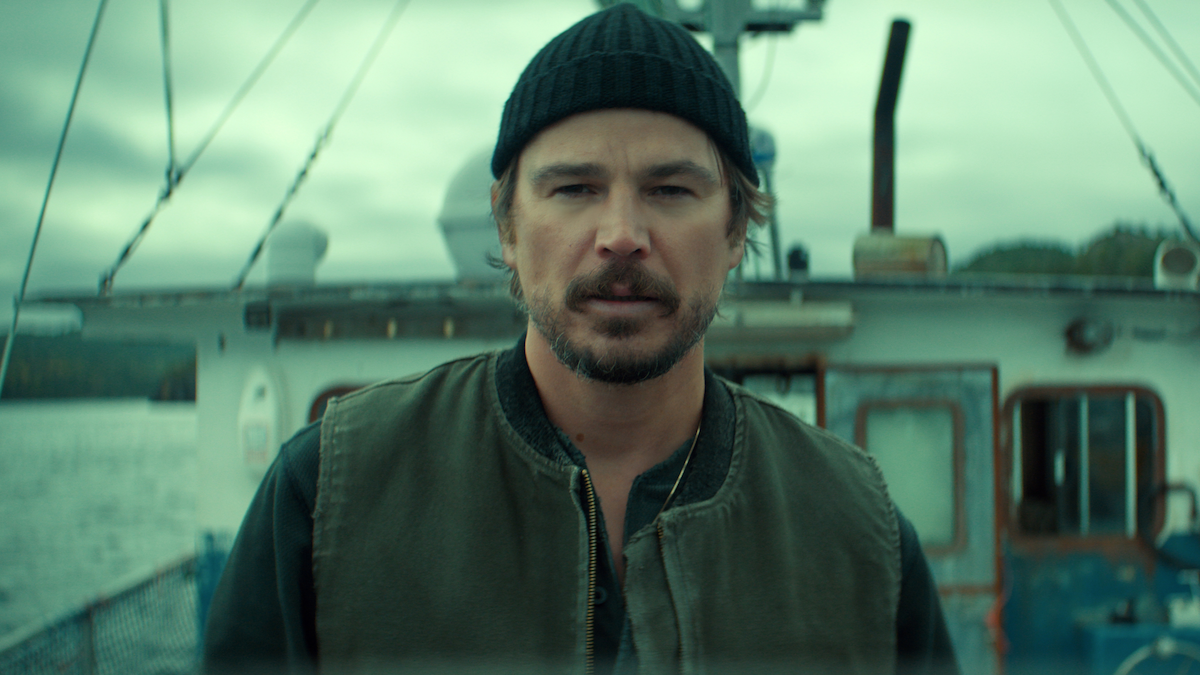
In a USA TODAY interview republished by AOL, Hartnett said he got his license to drive a 40-foot boat. He described the process as a lot of online tests—“like an endless driver's test”—while also saying that the physical work was fun. It is a revealing detail about how far he went beyond learning lines and wearing a fisherman’s clothes.
Why a boat license mattered for Below
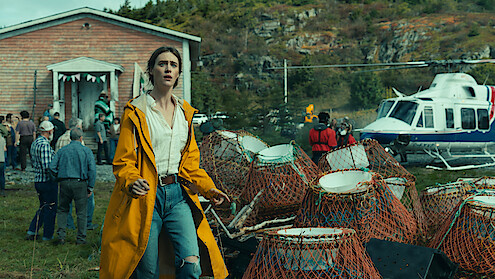
Below follows Calvin Penney, a Newfoundland fisherman trying to protect his family and community when a mysterious sea creature threatens their coastal town. The water is not simply a background: boats, shorelines, fishing work, and the risks of being far from land are central to the story’s atmosphere.
Hartnett’s boating preparation helped him approach those scenes with more confidence and understand the practical routines surrounding a working vessel. It does not mean every moment on screen was performed without a professional boat crew. On a production filming around open water, experienced marine and safety teams remain essential.
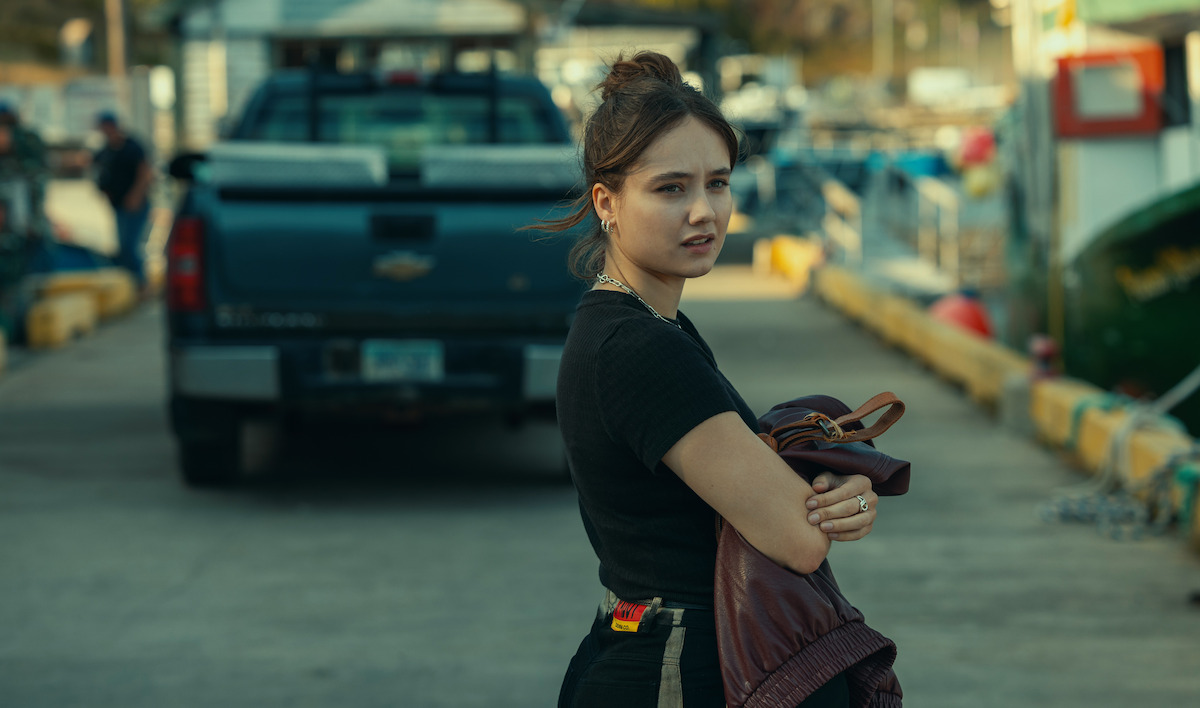
The show filmed on Newfoundland’s real coastline
Netflix’s official production coverage confirms that Below was filmed in Newfoundland, Canada. The location gives the story its rugged coastline, working harbors, changeable weather, and a strong connection to fishing communities.
In a separate Netflix Tudum feature, Charlie Heaton described filming on the ocean and working around boats with local support. He said the team was out on the water with the Coast Guard and that he was also kayaking in the ocean. Those details help explain why boat experience and on-water professionals mattered to the production.
Hartnett’s preparation went beyond driving a boat
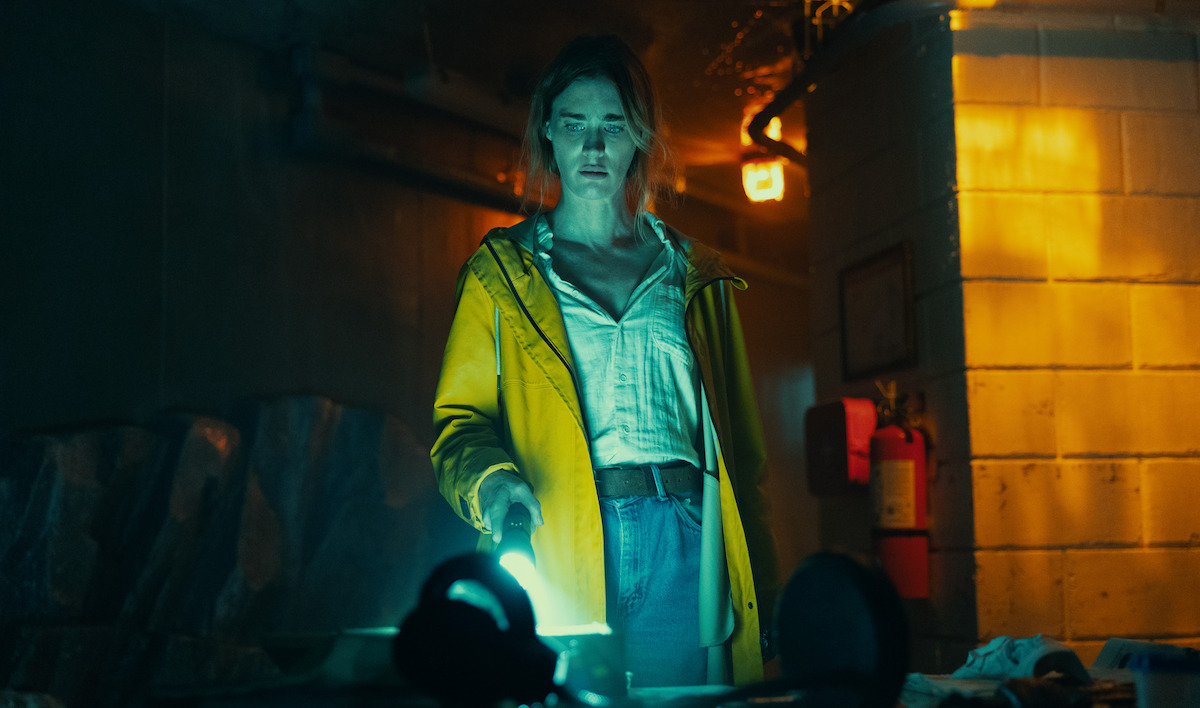
The boat license was one part of a wider effort to understand Calvin’s life. Hartnett spent time with local fishermen, learned to tie fishing nets, and listened to the long-running Newfoundland radio program The Broadcast to get familiar with local speech and the concerns of people who work on the water. Netflix’s interview with Hartnett also describes how he learned about the province’s history and spent time with local actors.
That research matters because Newfoundland is not a generic fishing backdrop. Its communities have distinctive accents, long maritime traditions, and a history shaped by the sea. A performer who understands some of the practical details can make a character’s movements and reactions feel more convincing, even when the plot moves into supernatural horror.
What the boat license tells us about the production
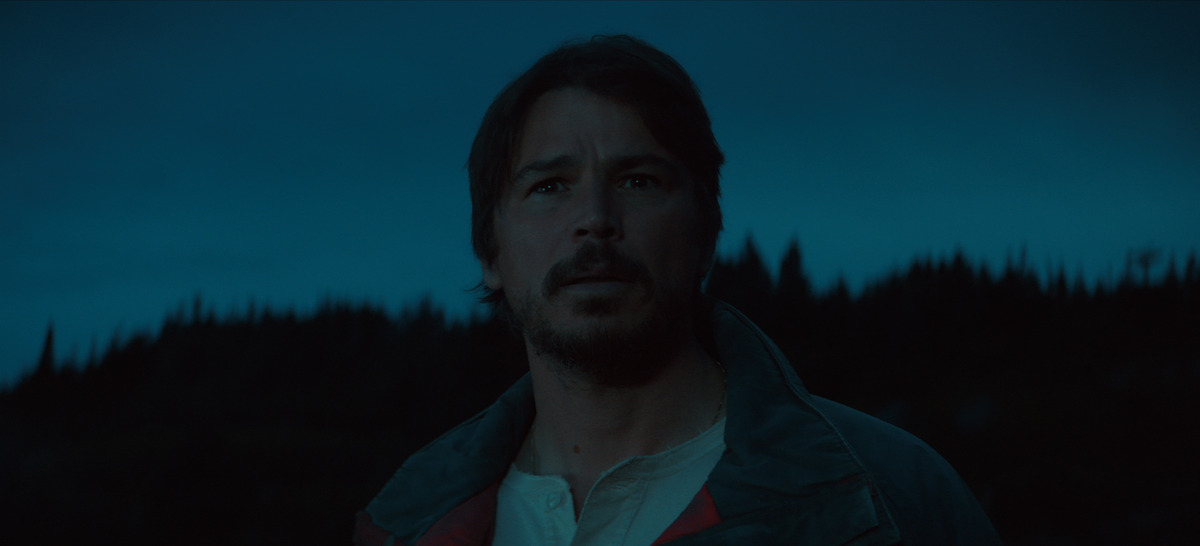
Hartnett’s license is a small but telling example of the preparation behind a role. It suggests that the production wanted him to do more than look like a fisherman: he needed to understand enough about the boat to work credibly in scenes where the vessel and the surrounding sea shape the action.
There is a difference, however, between learning a skill for a role and becoming a professional commercial fisherman or captain. The available interview supports the specific claim that Hartnett earned a license to drive a 40-foot boat; it does not establish that he worked as a commercial skipper. Keeping that distinction clear makes the behind-the-scenes story more impressive, not less.
Watch Netflix’s official Below teaser
The official teaser shows the kind of coastal tension Hartnett’s preparation was designed to support: a fishing community, unpredictable water, and a threat that cannot easily be seen. The boat-license detail is a real behind-the-scenes fact; the creature and its attacks are part of the fictional series.
Did Josh Hartnett really get a boat license for Below?
Yes. In an interview about the series, Hartnett said he earned a license to drive a 40-foot boat while preparing for the role.
Did he get the license because he plays a fisherman?
The license is directly relevant to his role as Calvin Penney, a Newfoundland fisherman, and to scenes involving boats. Hartnett’s interview confirms the license, though it does not mean he personally operated every boat used in production.
Where was Below filmed?
Netflix says the series was filmed in Newfoundland, Canada. Its real coastal locations help establish the fishing community at the center of the story.
Where can you watch Below?
All six episodes are available on Netflix’s official Below page.
The takeaway: Hartnett’s 40-foot boat license was not just a quirky preparation detail. It reflects how Below connects its lead performance to the real physical environment of Newfoundland, where boats and the sea are part of everyday life—and a source of genuine danger.
Sources
- USA TODAY interview with Josh Hartnett, republished by AOL
- Netflix Tudum: Below trailer, cast, and filming details
- Netflix Tudum: Below teaser and on-location production notes
- Netflix Tudum: Josh Hartnett interview
By Shivam Das






