

Netflix's Below has given viewers more than a sea-creature mystery to discuss. Since the six-episode series arrived, one of its most debated details has been the sound of its Newfoundland characters—especially Josh Hartnett as fisherman Calvin Penney and Charlie Heaton as his son Wade.
The reaction is not a simple yes-or-no verdict on whether an actor sounds convincing. It raises a bigger question: when a story is rooted in a real place, how much does a regional accent shape the audience's belief in that world?
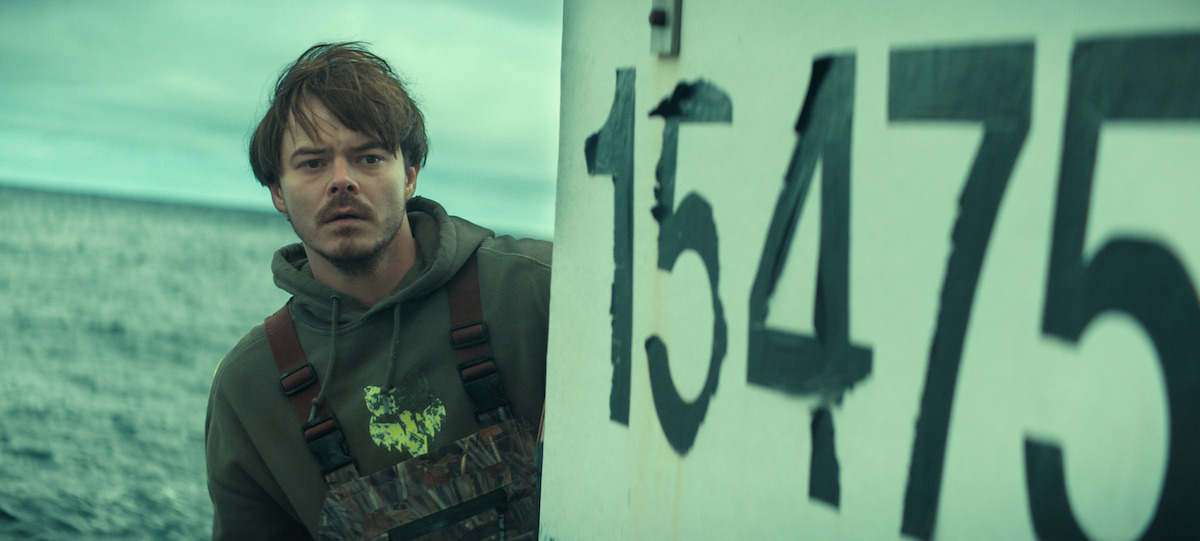
Why the accent matters in Below
Below is set and filmed in Newfoundland, Canada, and its story depends on the feeling of a close-knit coastal community. Speech is part of that setting, not just decoration. Accents can signal who grew up together, who is an outsider, and whether a character feels at home in the place they are trying to protect.
Netflix's behind-the-scenes coverage says Hartnett and Heaton spent time around local people while preparing for their roles. Hartnett has also spoken about learning more about Newfoundland's history and distinctive dialect. Preparation matters, but viewers ultimately judge what they hear on screen.
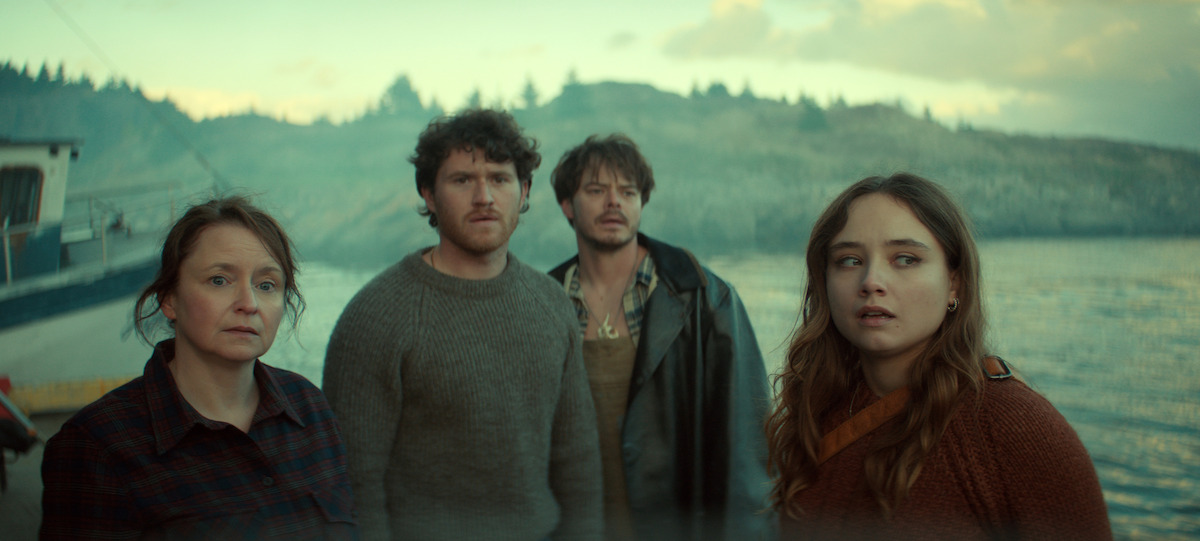
What viewers are reacting to
Public online discussion shows a split rather than a single consensus. In a Reddit discussion about Hartnett's performance, some commenters identifying as Newfoundlanders said the accent sometimes leaned too heavily toward an Irish sound or shifted from line to line. Others called it serviceable or felt the performance worked well enough for the story. A separate discussion focused on the challenge of sounding local in a production promoted as a Newfoundland story.
These comments are anecdotal, not a representative poll. They do point to a useful distinction: a performance can be understandable to a broad audience and still sound inauthentic to people who know the regional speech intimately. Both reactions can coexist.

Newfoundland does not have just one accent
Newfoundland English is not uniform. Speech varies across communities and families, and the province's settlement history has shaped different local patterns of pronunciation, rhythm, and vocabulary. A performance that resembles one community may not match another. Claims about one single “correct” Newfoundland accent can therefore oversimplify a complicated linguistic landscape.
For actors, the challenge is both practical and cultural. They need to communicate plot and emotion, keep the voice consistent across scenes, and remain accessible to viewers hearing the dialect for the first time. But if rhythm or vowel sounds drift noticeably, local viewers may be pulled out of the story precisely because the series asks them to believe in this particular place.
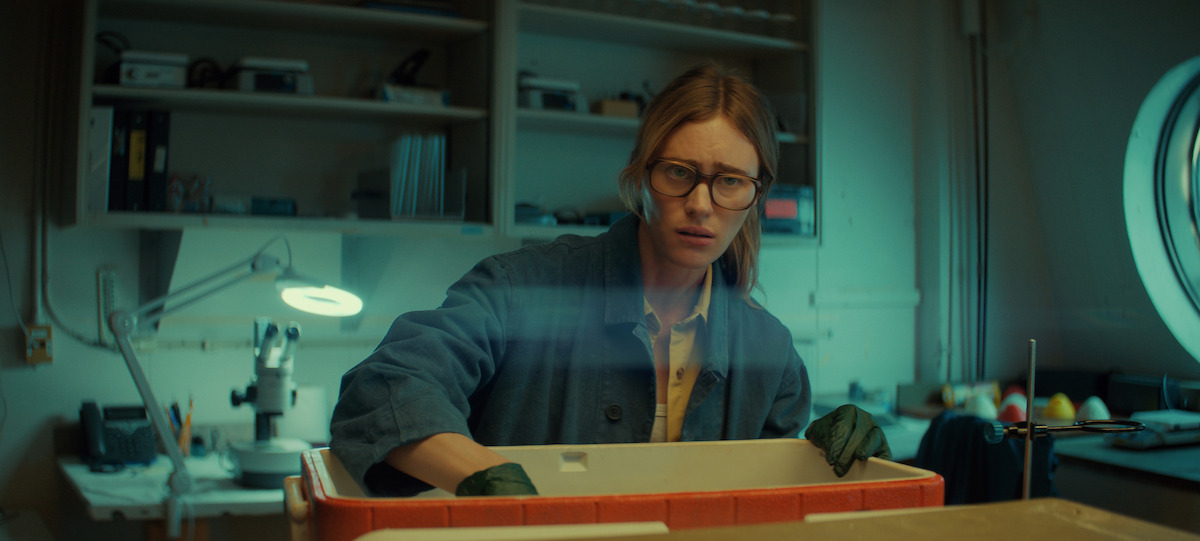
Is the accent distracting viewers?
For some viewers, a noticeable accent becomes distracting when they start evaluating pronunciation instead of following the scene. For others, the unfamiliar sound is part of the atmosphere and helps distinguish Below from a generic thriller. The important question is whether the performances sustain the emotional stakes of the story—not whether every viewer agrees.
The debate may also show that the series has made audiences pay attention to Newfoundland as a real place with its own voice, rather than treating it as interchangeable coastal scenery. That attention brings responsibility: productions built around a community benefit when local expertise informs dialogue, casting, and the final edit.
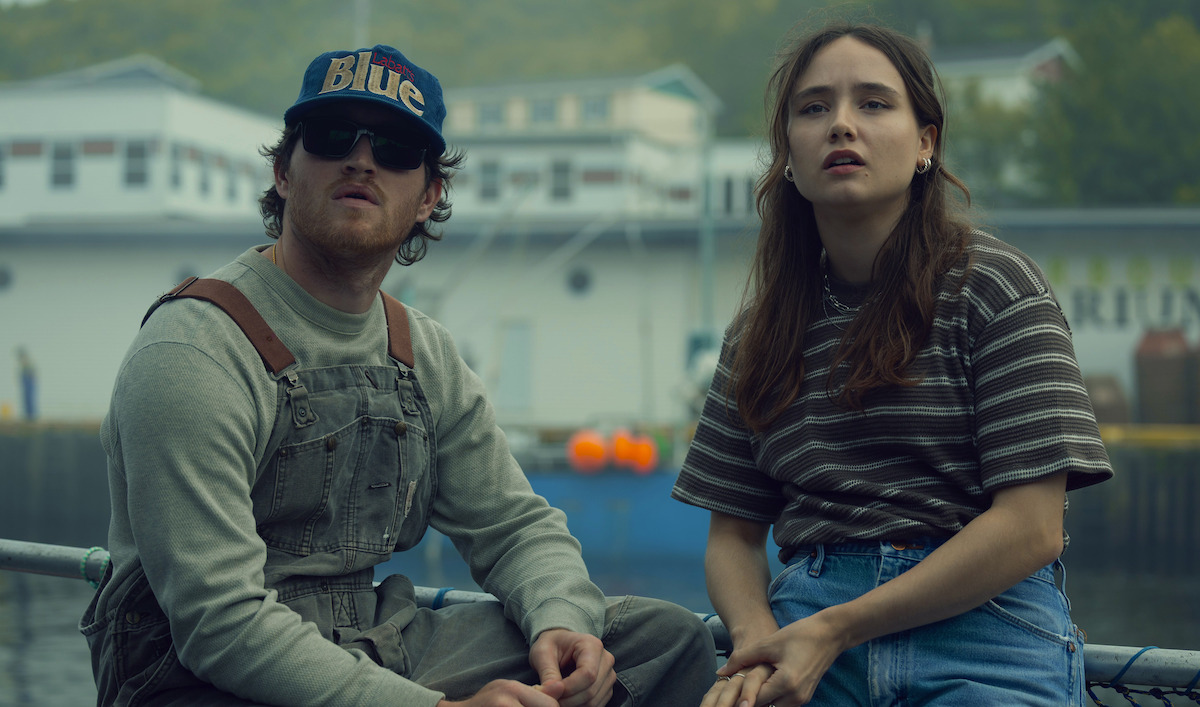
Join the discussion
These public threads offer examples of the conversation, not a scientific measure of audience opinion.
Below: Josh Hartnett vs. the Newfoundland accent
Josh Hartnett and Charlie Heaton — discussion from r/newfoundland
For official background, read Netflix Tudum's Below cast and series guide and its behind-the-scenes feature on the series.
Quick answer: Are viewers loving the Newfoundland accent?
Reactions are mixed. Some viewers appreciate the effort and regional atmosphere, while some local commenters criticize inconsistency or an accent that sounds too Irish in places. Online comments are not a representative audience survey, so the fairest conclusion is that the accent has become a point of debate—not that viewers have reached a unanimous verdict.
Frequently asked questions
Does Below take place in Newfoundland?
Yes. Netflix describes the six-episode series as a Newfoundland-set thriller and says it was filmed in Newfoundland, Canada.
Who plays the father and son in Below?
Josh Hartnett plays fisherman Calvin Penney, and Charlie Heaton plays his son Wade Penney.
Why are viewers discussing the accent?
The story is tied to a real region with distinctive local speech. Some viewers find the performances convincing, while others notice pronunciation or consistency issues.
Is the online reaction representative of all viewers?
No. Reddit threads contain individual opinions, not a representative poll. They illustrate the debate but cannot establish what all viewers think.
Sources
- Netflix Tudum — Below: cast, release date, plot and first-look photos
- Netflix Tudum — Below teaser and cast comments on filming in Newfoundland
- Public viewer discussion on the Newfoundland accent
Image credits: Netflix/Tudum official first-look photography. Images are linked from Netflix's published coverage; confirm any reuse permissions required for your publication.






