

Quick answer: Below draws on the real presence of icebergs and Newfoundland’s maritime economy, but its specific vodka-ice business is a dramatized plot detail—not evidence of a large, established commercial industry. The real story is about the challenges of coastal livelihoods, resource marketing, and adapting when traditional fishing becomes less dependable.
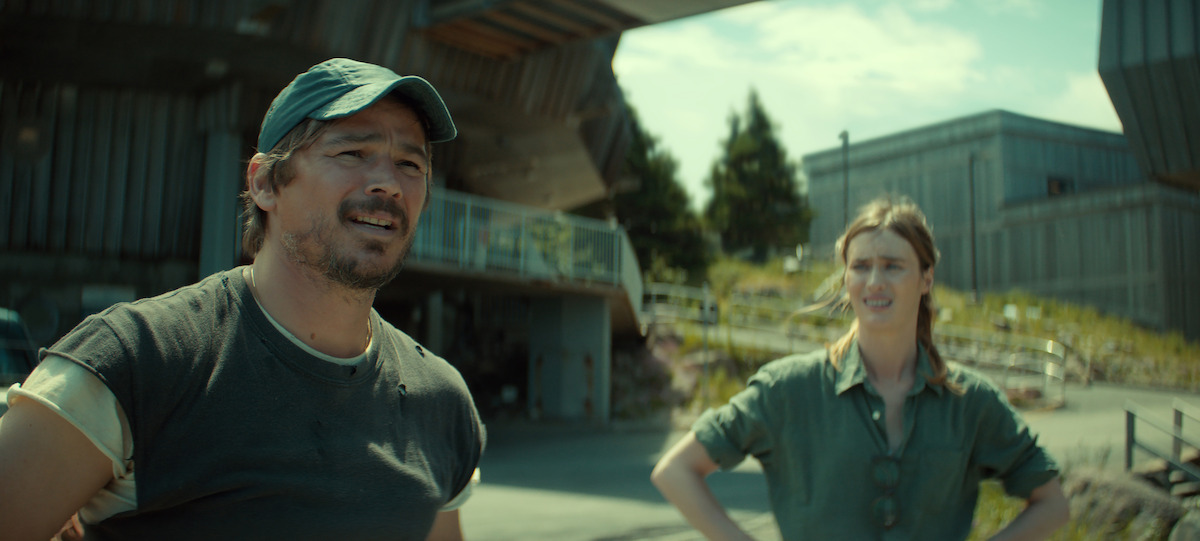
In Netflix’s six-episode thriller Below, Calvin Penney, played by Josh Hartnett, looks to selling iceberg ice as traditional fishing becomes harder to sustain. It gives him a reason to stay on the water and ties the show’s supernatural mystery to an everyday economic question: how can a coastal family keep earning a living when its familiar work no longer reliably pays the bills?
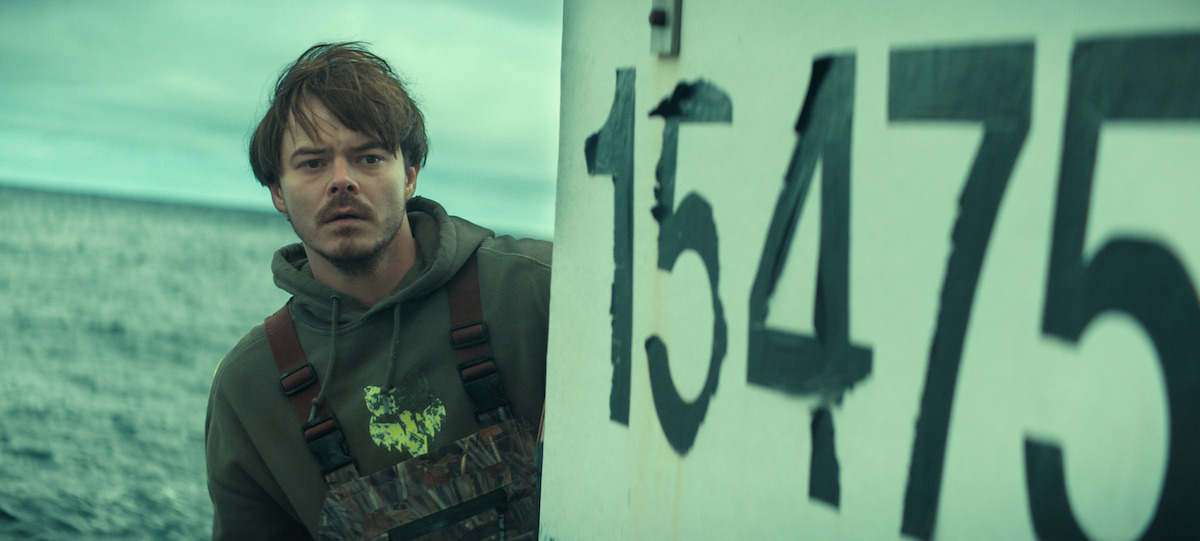
Is iceberg ice really harvested in Newfoundland?
Icebergs are a real and highly visible part of Newfoundland and Labrador’s North Atlantic environment. The region has also seen businesses explore products made with iceberg water. But a real resource does not make every detail of Calvin’s fictional operation a documentary account of a routine local industry.
Collecting iceberg ice safely and profitably is more complicated than towing a block of ice to shore. Weather, sea conditions, vessel capacity, handling and storage, food-safety requirements, transportation costs, and seasonal availability all matter. The supply is geographically unpredictable, and any ice intended for consumption requires appropriate testing and processing.
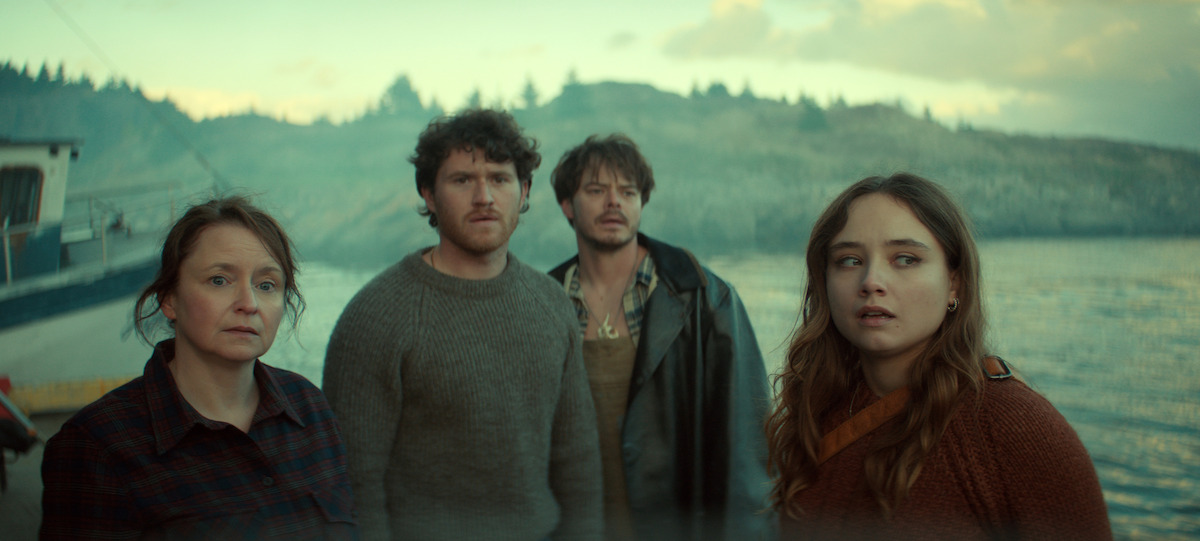
Why would a vodka maker want iceberg ice?
The marketing appeal is obvious: ice associated with a remote, cold ocean can be presented as distinctive, scarce, and tied to a dramatic landscape. A premium drinks brand may value that origin story as much as the material itself. But “ice from an iceberg” is not automatically purer, safer, or better-tasting than other ice. Source quality, cleanliness, testing, storage, and processing determine whether it is suitable for consumption.
That distinction matters because an evocative story is not scientific proof. The image of ancient ice floating down from the Arctic is powerful, but consumers should not confuse a product’s origin story with a guarantee about its safety or quality.
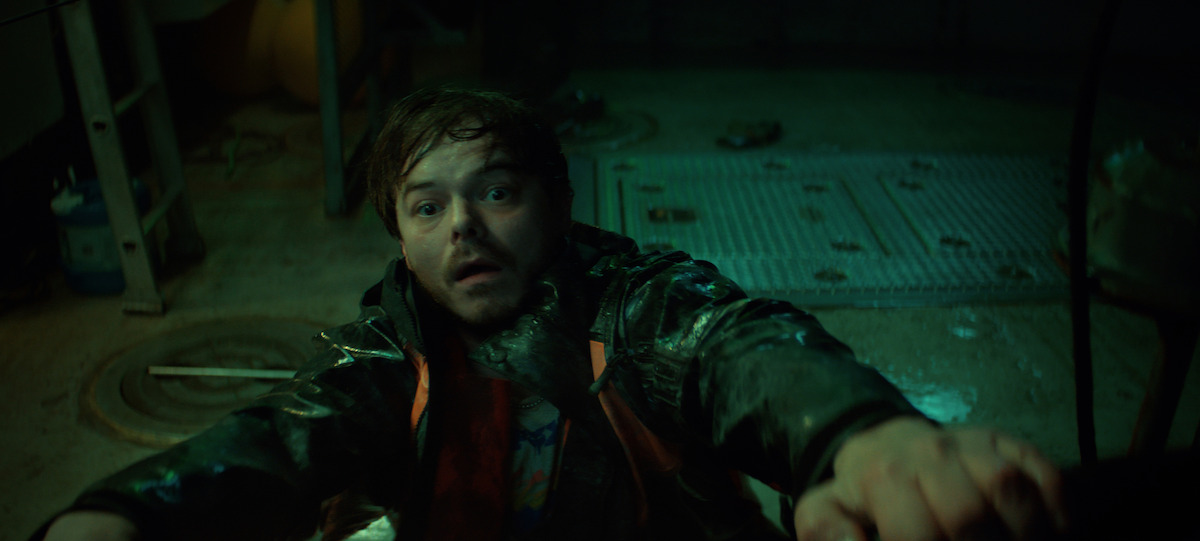
The real economic story beneath the plot
The ice business works as a story because it reflects a broader challenge: when fishing income falls or becomes uncertain, people look for new ways to earn money without abandoning the place and identity they know. Newfoundland’s fishing history—including the collapse of northern cod stocks and the 1992 cod moratorium—gives that pressure real historical weight.
There is also a climate contrast. Icebergs are striking, but warming oceans and changing ecosystems create serious risks for coastal communities and marine life. In Below, the ice trade sits beside a creature mystery and the threat of displacement. A resource that appears to offer a lifeline becomes part of a larger question about adapting to environmental change.
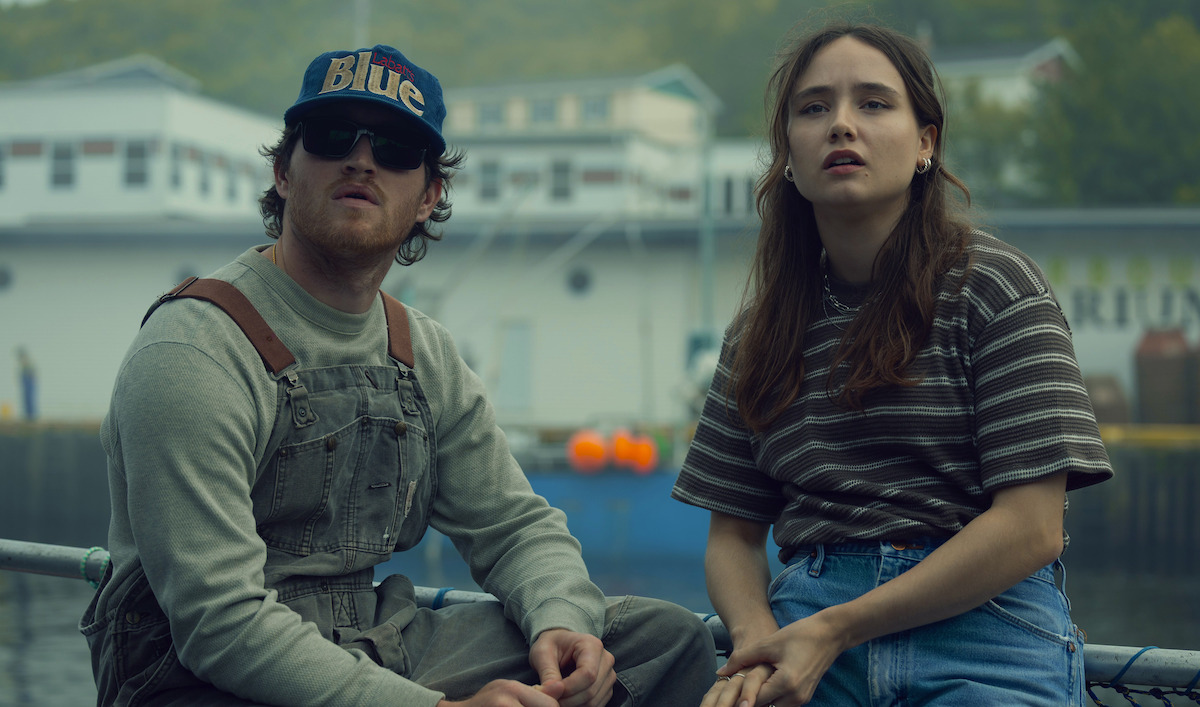
What Below gets right—and what it dramatizes
- Grounded in a real place: Netflix identifies Newfoundland and Labrador as the series’ filming location.
- A plausible economic pressure: diversifying income when fishing becomes unreliable is consistent with challenges faced by many fishing communities.
- A dramatized business premise: the specific vodka-ice operation belongs to the show’s story and should not be treated as proof of a widespread local industry.
- Fictional horror: the giant sea creature and events tied to it are thriller elements, not verified marine incidents.
Could iceberg ice become a bigger business?
Possibly, but a viable business would need reliable access, safe harvesting practices, cold-chain logistics, regulatory compliance, and customers willing to pay enough to cover costs. It would also need to account for environmental impacts and avoid treating a fragile natural setting as an unlimited commodity.
For a small coastal operator, the hardest part may not be finding ice. It may be moving it, keeping it clean and cold, and delivering a consistent product at a price that makes sense. Those practical constraints are easy for a thriller to compress—and a real business would have to solve them every day.
Watch the trailer
The trailer shows the series’ maritime setting and the way its ice-harvesting premise leads into the mystery.
Frequently asked questions
Is the vodka ice business in Below real?
The show draws on real icebergs and Newfoundland’s maritime economy, but its specific vodka-ice business is a dramatized plot detail—not proof of a large or routine local industry.
Do companies use iceberg water in drinks?
Some businesses have marketed products made with iceberg water. That does not make all iceberg ice suitable for consumption; sourcing, testing, processing, and safe handling remain essential.
Where was Netflix’s Below filmed?
Netflix Tudum says the series was filmed in Newfoundland, Canada, using the region’s coastal locations and local setting.
Does climate change affect icebergs and coastal communities?
Climate change affects ice, ocean conditions, and marine ecosystems. The events in Below are fictional, but the show connects its thriller premise to real questions about environmental change and coastal livelihoods.
Sources and further reading
- Netflix Tudum: Below — cast, photos, and filming location
- Reuters: Cast of Netflix’s Below credit Newfoundland community
- The Canadian Press / CityNews: Below blends Newfoundland life with thriller elements
- Netflix: Watch Below
By Shivam Das






