

By Shivam Das | Updated October 12, 2026
Netflix’s six-episode thriller Below gives viewers a mystery to solve, but its most effective storytelling choice may be what it leaves unexplained. Rather than pausing every few minutes to spell out the mythology, the series places its strange events inside a recognizable struggle: a Newfoundland fishing community trying to protect its home, its family ties and its future. That balance helps explain why the show can feel brisk even when the story keeps opening new questions.
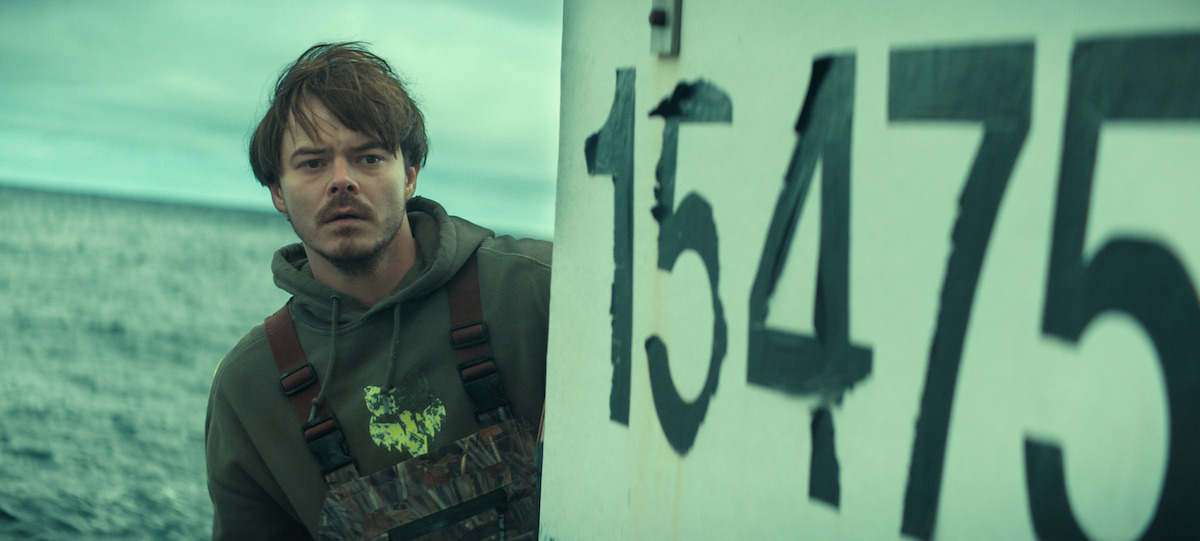
What people mean when they say a show over-explains itself
Over-exposition happens when dialogue tells the audience what a scene has already shown, characters explain every rule of a mystery before viewers have time to wonder, or the plot stops so someone can deliver a long summary. It can make a thriller feel less like a discovery and more like a briefing.
Below has a built-in reason to explain a lot: an unidentified sea creature threatens the town of Snooks Arm, while family history, local legends and outside interests complicate the crisis. Netflix’s official synopsis frames the story around Calvin Penney, his son Wade and visiting marine researcher Fonda Howander as they try to understand what is happening. The premise could easily become a stream of explanations about the creature. The more interesting approach is to let the mystery unfold alongside the characters’ decisions.
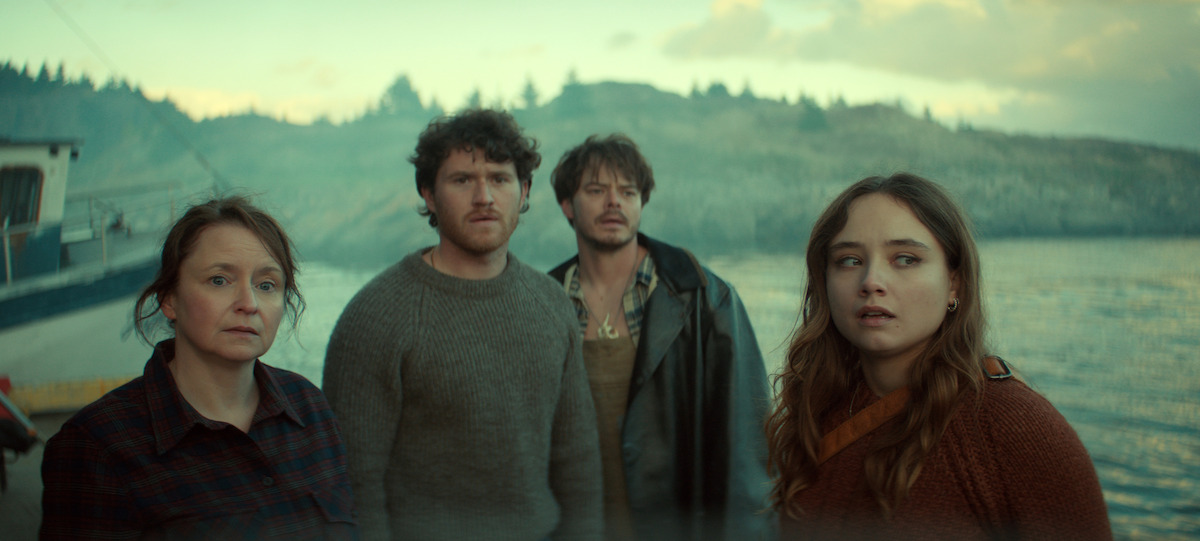
The family story does work that exposition often does
Calvin is not simply a lead character waiting for clues. He is a father carrying old grief, a fisherman whose livelihood is under pressure and a member of a community facing a decision about its future. Those personal stakes make the mystery legible before every detail is explained: viewers can understand what is at risk even when they do not yet know what is beneath the water.
That is the central advantage of a character-led thriller. A glance, a refusal to trust an outsider or an argument between relatives can communicate fear and history more efficiently than a speech explaining the town’s entire past. The show’s six-episode format also gives the central conflict a defined runway, rather than requiring a long season to repeatedly reset the same question.
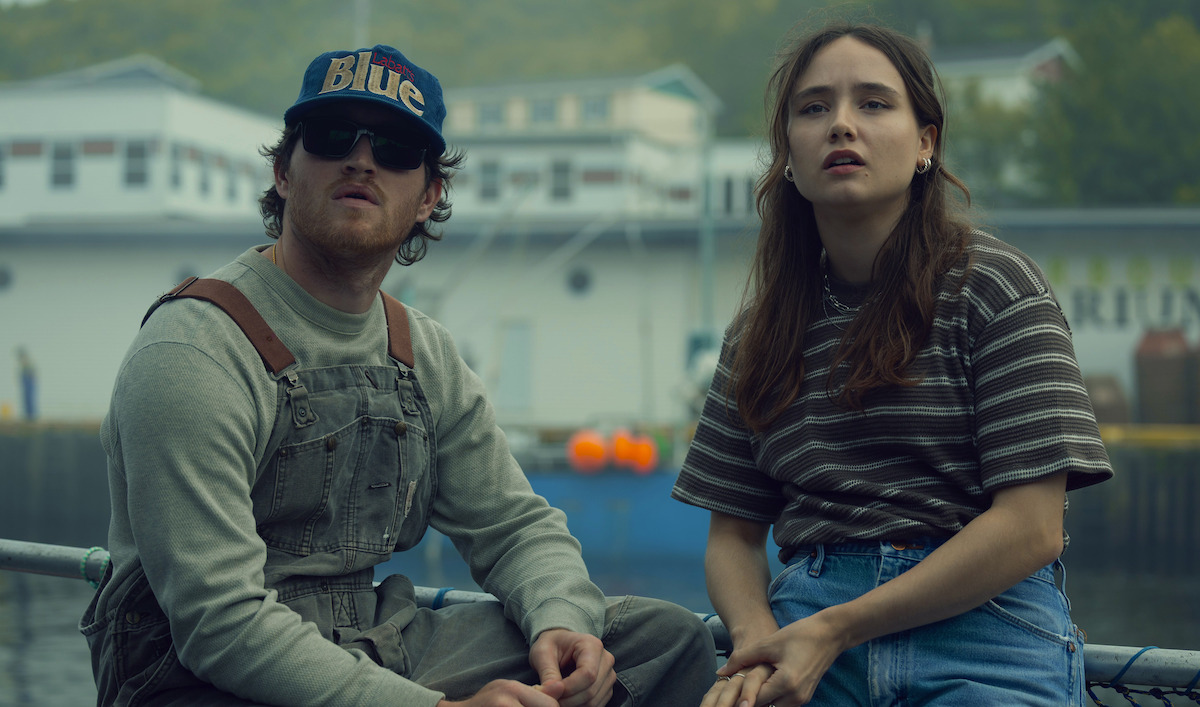
Atmosphere can answer questions without a speech
Setting is another storytelling tool. Netflix says the series was filmed in Newfoundland, and its official coverage emphasizes the region’s rugged coastline and close-knit communities. The ocean, working boats and exposed shoreline give the threat a physical context. Viewers do not need a character to repeatedly announce that the town is isolated when the geography already makes that isolation visible.
Visual storytelling cannot replace every explanation. A mystery still needs enough information for viewers to follow cause and effect, and ambiguity can become frustration if the rules keep changing. But a coastal environment can build unease while the plot holds back answers. In a creature thriller, that delay is often part of the pleasure: the audience watches details, compares clues and forms theories before the characters can confirm them.
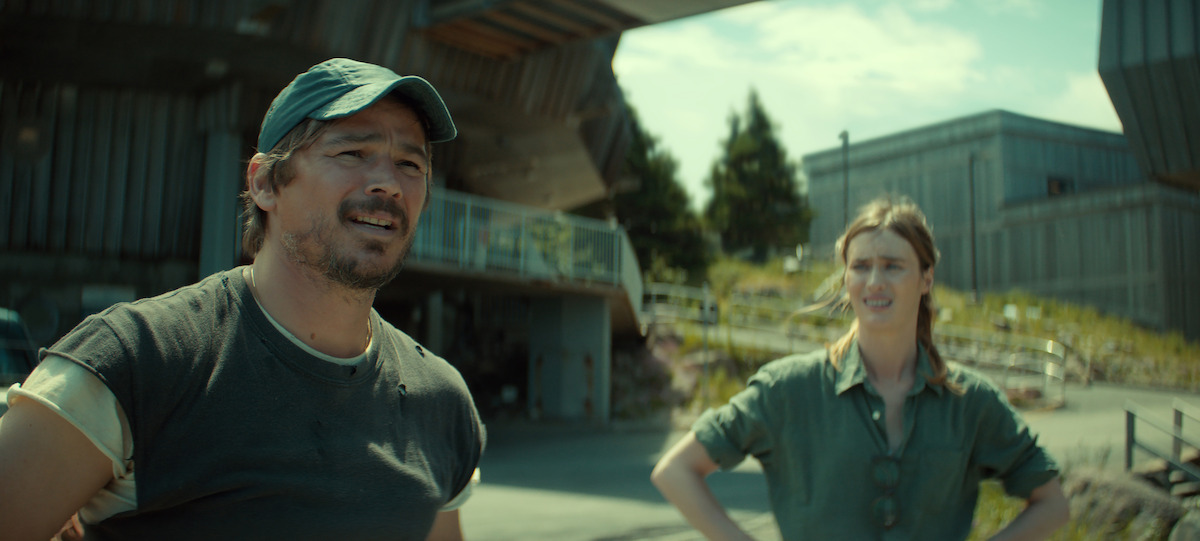
Does Below really avoid the Netflix exposition trap?
That claim is best treated as an interpretation, not a unanimous critical verdict. Reviews can disagree about pacing, tone and how much explanation a genre story needs. The Guardian’s review described Below as a strange blend of supernatural thriller, nostalgia and comedy, noting that its environmental ideas can be overshadowed by its eccentric characters and horror elements. That response suggests the show’s approach is not simply “less exposition is always better”; its mix of moods is part of what viewers will debate.
The more defensible point is that Below gives its audience several ways to stay engaged: a creature mystery, family conflict, a threatened fishing town and a distinctive setting. When those threads are doing their jobs, the series does not need every scene to explain the last one. When the story introduces a new rule or a major turn, however, clarity still matters. Mystery works best when the audience is curious, not lost.
Why the six-episode length matters
A limited series has a practical advantage: it can focus on a small number of character and plot turns. With six episodes, Below can move between the creature, the Penney family and the town’s future without needing to manufacture a separate crisis every week. The format does not guarantee tight storytelling, but it creates pressure to make each episode change what the audience knows or what the characters are willing to risk.
For viewers who dislike long explanatory monologues, the appeal is not that Below never explains itself. It is that the mystery is tied to people and place, so the story can keep moving while some questions remain open. The strongest suspense comes from the gap between what characters suspect and what they can prove.
Quick answer: Does Below avoid over-explaining its story?
In important ways, yes—but that is an interpretation rather than a universal critical consensus. Its family drama, Newfoundland setting and six-episode structure help carry the story while the sea-creature mystery develops. Some viewers may find its genre shifts or unanswered questions less satisfying; others may enjoy being asked to connect the clues themselves.
Frequently asked questions
How many episodes does Below have?
Below is a six-episode Netflix limited series.
What is Below about?
The series follows Newfoundland fisherman Calvin Penney as a mysterious sea creature threatens his town and he tries to protect his family and community.
Who stars in Below?
The main cast includes Josh Hartnett, Mackenzie Davis and Charlie Heaton.
Does Below explain the creature immediately?
The story is built around an unfolding mystery. Viewers should expect information to arrive as characters investigate, rather than treating every early scene as a complete explanation.
Is Below based on a true story?
The series is a fictional supernatural thriller set in Newfoundland. Its location and community details draw on the region’s atmosphere, but the sea-creature story is fiction.
Sources and further reading
- Netflix Tudum: Below cast, story, photos and filming location
- The Guardian: Below review
- Netflix: Below official series page
Image credits: Netflix / Tudum. Images are included from Netflix’s official editorial coverage; they are not claimed to be social-media-origin images.






