

Netflix’s Below may be a sea-monster thriller, but its strongest connection to viewers is rooted on land: the people, humor, history, and working waterfront of Newfoundland. Josh Hartnett, Charlie Heaton, Mackenzie Davis, and creator Jesse McKeown have described a production shaped by local voices and the province’s rugged coastline. Their accounts suggest that the series is not simply set in Newfoundland; it tries to make the community feel like the story’s beating heart.
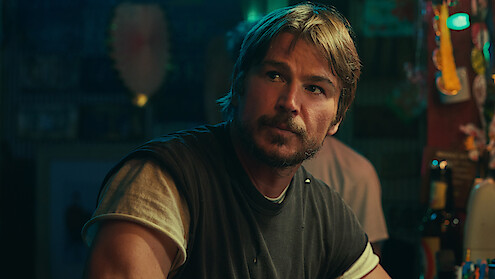
The six-episode series follows Calvin Penney, a fisherman in the fictional coastal community of Snook’s Arm, as a mysterious force threatens the town. But the supernatural danger arrives in a place already wrestling with economic uncertainty, family tensions, and the fear that its traditional way of life could disappear. That grounding gives the horror a distinctly local emotional center.
Newfoundland is more than a backdrop
Creator Jesse McKeown has said his long-running affection for Newfoundland helped inspire the setting. In Netflix Tudum’s series preview, McKeown describes the province as rugged and isolated, but also warm, funny, and full of distinctive personalities. That contrast is central to Below: the landscape can feel threatening, while the people living beside it can be welcoming, stubborn, and deeply connected.
That balance matters because a story about a threatened fishing town could easily become generic. Newfoundland gives the fictional community a specific identity: boats, working harbors, local expressions, family histories, and the everyday knowledge needed to live near the North Atlantic. The monster may drive the plot, but the place makes the stakes understandable.
Josh Hartnett learned from the people who know the sea
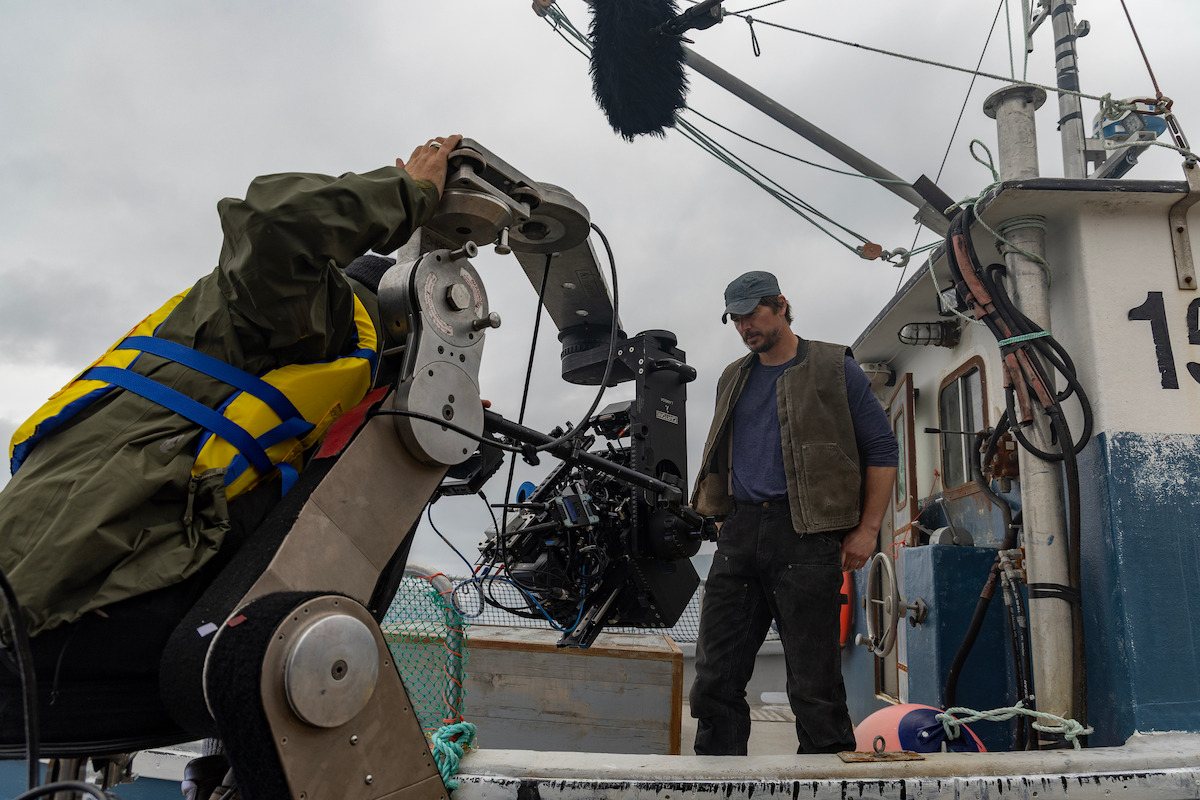
Hartnett prepared to play Calvin by spending time with local actors and fishermen, learning about the region’s history, and practicing practical skills such as tying fishing nets. He also listened to a Newfoundland radio program that featured conversations about fishing and the challenges facing the industry. In his Netflix Tudum interview, Hartnett reflects on how local stories can make strange things feel less impossible: people who spend their lives at sea often have experiences they cannot easily explain.
That research is useful beyond the accent. Calvin is not simply a rugged fisherman costume; his relationship with the water is bound up with livelihood, memory, and identity. Hartnett’s preparation helped him approach those details as part of a real culture rather than a collection of regional mannerisms.
Charlie Heaton saw how local people shaped the series
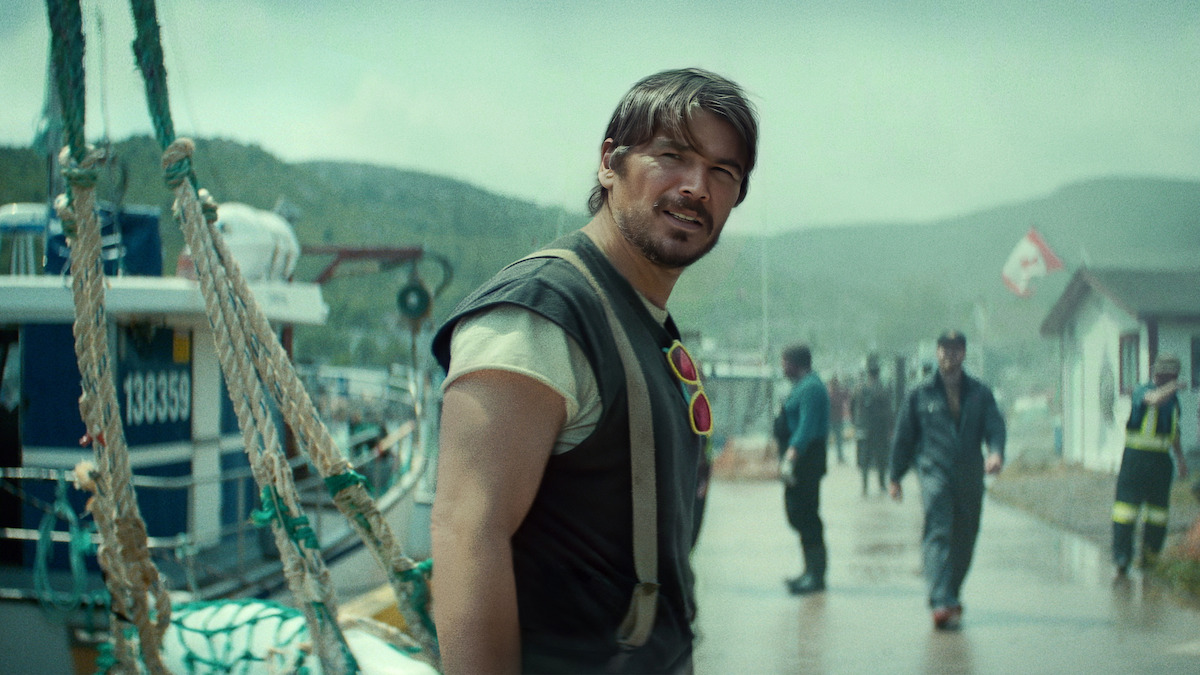
Heaton, who plays Calvin’s son Wade, has spoken about how generous Newfoundland residents were during production. In Netflix’s behind-the-scenes coverage, he recalls being struck by the instinct to welcome visitors and look after them. That everyday hospitality helped the cast understand the community spirit the story needed to portray.
Heaton also spent time with locals and in bars outside St. John’s while working on Wade’s accent and personality. He has said that the island’s people helped him recognize that characters like Wade—messy, familiar, and sometimes exasperating—were not simply inventions. That kind of observation can make a fictional family feel as if it belongs to a real town.
The cast had to sound like one family
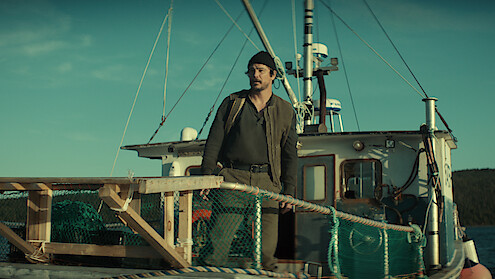
Accents are a visible part of the show’s authenticity. Hartnett and Heaton have described working together to learn the Newfoundland dialect so that the Penneys would sound as though they grew up in the same place. A dialect coach and local performers helped them understand the rhythm and pronunciation instead of relying on a broad imitation.
In a Los Angeles Times interview, the actors discussed how difficult it could be to hear the rules of the accent at first. Working through that challenge together became part of building the on-screen family dynamic. The result is an example of how cultural detail can shape performance, not just dialogue.
Local performers and real locations add credibility
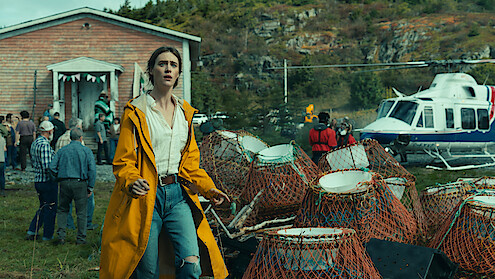
Netflix’s cast guide notes that the production filmed on location in Newfoundland and drew on local actors’ knowledge. That involvement matters in a series where small details—how people talk, work, joke, and react to a crisis—can carry as much weight as the creature effects. Local performers do not just fill out the frame; they help establish the social texture of the town.
Filming on the province’s coastline also gives the series a physical scale that a generic studio set could not easily reproduce. The weather, water, working vessels, and rugged shoreline make the environment feel consequential. For a story about people whose future is tied to the sea, that texture is part of the drama.
Why the community story gives the horror its weight
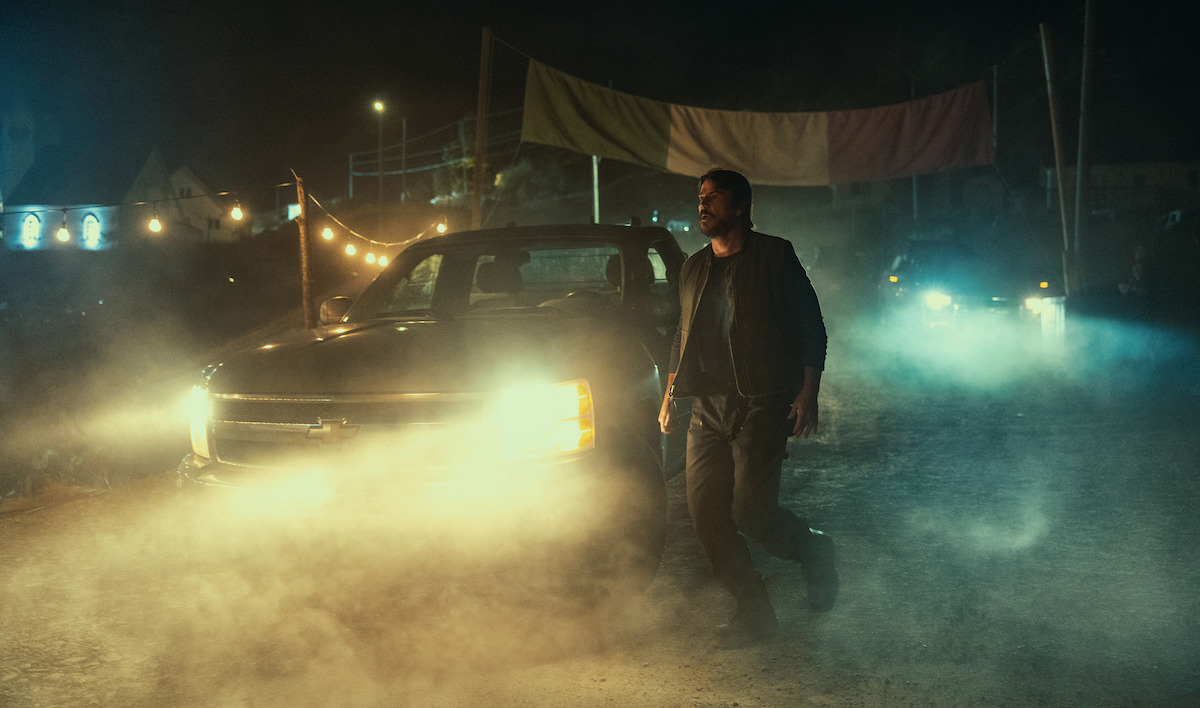
At its core, Below is about a community facing two kinds of uncertainty: a threat from the water and pressure over whether residents can keep their home. The series’ environmental themes and fishing-industry history give the monster story a human dimension. For people whose work and identity are connected to the ocean, the sea is not an abstract backdrop—it is a source of income, family memory, danger, and belonging.
Reuters’ report on the cast and setting similarly highlights the show’s combination of local community, humor, and environmental concerns. That mix helps explain why the series can feel affectionate toward Newfoundland even when its plot turns strange and frightening.
Watch the official Below trailer
The trailer offers a quick look at the boats, coastline, and close-knit town at the center of the story. For the full context behind the production, see Netflix Tudum’s official series guide.
Is Below a love letter to Newfoundland?
That phrase is an interpretation rather than a formal label from Netflix. But the cast and creator’s interviews support the idea: the production made room for local performers, learned from residents, filmed in the region, and placed the fishing community’s future at the center of the story. The series’ affection shows up less in sentimental speeches than in its attention to local voices and the practical details of life by the sea.
What makes Below feel authentic?
The strongest ingredients are its Newfoundland locations, local cast and crew, dialect coaching, research into fishing life, and characters whose relationship with the ocean shapes their choices. Those elements do not make the supernatural plot real, but they give the fictional town a recognizable social and cultural foundation.
Where can you watch Below?
Below is streaming on Netflix. The six-episode thriller stars Josh Hartnett, Charlie Heaton, and Mackenzie Davis and was created by Jesse McKeown.
Bottom line: Below feels like a love letter to Newfoundland because the people and place are treated as more than scenery. The monster supplies the suspense; the community, its humor, its working traditions, and its connection to the ocean supply the heart.
Sources
- Netflix Tudum: Below cast, setting, and production
- Netflix Tudum: Josh Hartnett interview
- Los Angeles Times: Josh Hartnett and Charlie Heaton on Below
- Reuters: Cast credits Newfoundland community
By Shivam Das






