

Netflix’s Below has a premise built to make viewers lean closer to the screen: a remote Newfoundland fishing town, an unsettling iceberg, disappearing fishermen, and a giant creature lurking beneath the water. But critics are divided on how well the six-episode thriller turns that striking setup into a satisfying story. Some reviewers praise its atmosphere, performances, and oddball humor; others find that the environmental themes and narrative ambition never rise fully to the surface.
One important clarification: in the reviews checked for this article, “water-thin washout” did not appear as a verified direct quote from a named critic. Here, the phrase is used as a shorthand for the criticism that Below sometimes feels thinner than its big ideas—not as a quotation attributed to a publication.
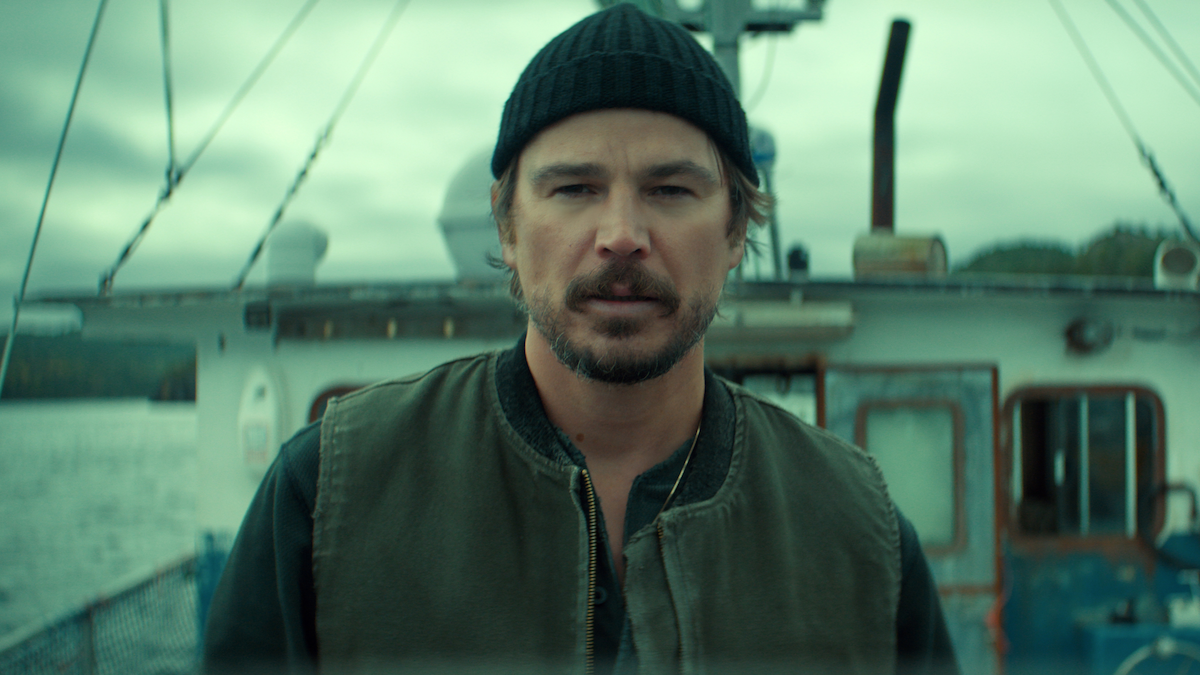
What critics are actually saying about Below
The critical response is more complicated than a simple thumbs-up or thumbs-down. In The Guardian’s review, Sarah Dempster describes the series as ridiculous but entertaining, praising its eccentric mix of sea-monster horror, plaid-clad fishermen, and nostalgic genre references. The review’s tone is playful rather than dismissive: the show’s absurdity is part of its appeal.
The Financial Times review is more reserved, giving the series a three-star assessment and arguing that, despite its distinctive setting and production, it struggles to separate itself from comparisons with Widow’s Bay. Meanwhile, Tom’s Guide rates it 3.5 out of 5, highlighting its suspense and bingeability while noting that some subplots and visual effects are less successful.
Decider’s “Stream It or Skip It?” review also recommends giving the show a look. Taken together, these reviews suggest a mixed-to-positive response—not a consensus that Below is a failure. The sharper criticism is about uneven execution: the series has a memorable concept, but not every element lands with equal force.
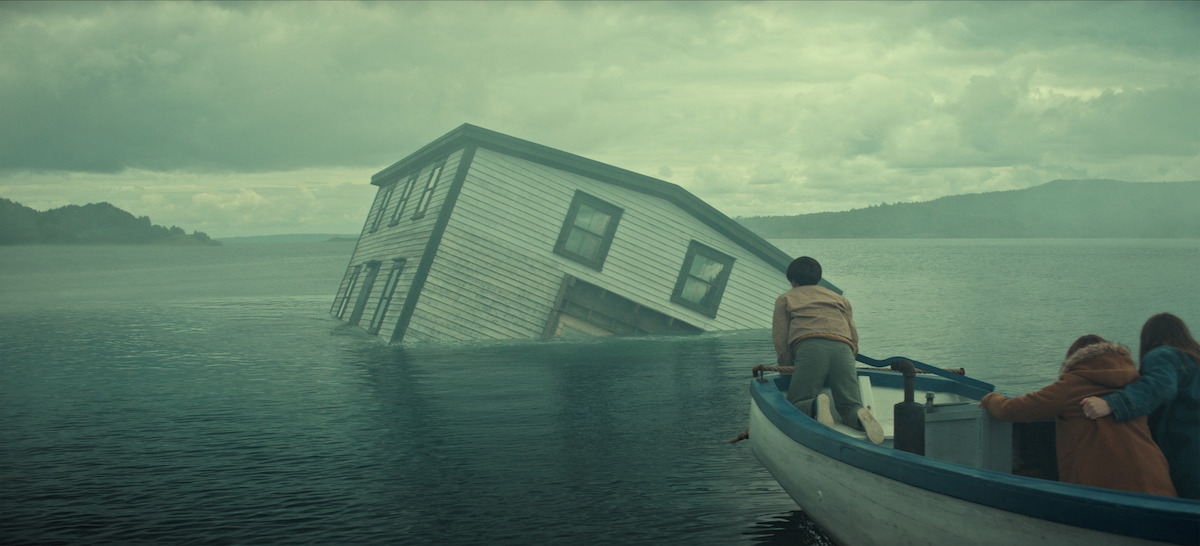
Problem one: a big climate idea gets lost under the monster
One of the most substantial criticisms concerns the series’ environmental subtext. The creature and the strange iceberg are tied to warming conditions and ancient permafrost, giving Below an opportunity to connect supernatural horror with a real-world anxiety: what happens when environmental systems change faster than communities can respond?
The Guardian argues that the climate message is present but too faint, drowned out by the show’s louder horror-comedy elements. That is a more specific complaint than simply saying the story is bad. The series gestures toward ecological collapse, but viewers may leave remembering the bizarre creature and the local color more clearly than the environmental argument.
That imbalance can make the story feel less substantial than its premise promises. If a monster is meant to embody a crisis larger than itself, the writing needs to give the audience enough space to understand that connection. When the theme stays mostly in the background, the creature risks becoming a memorable spectacle rather than the emotional center of the story.
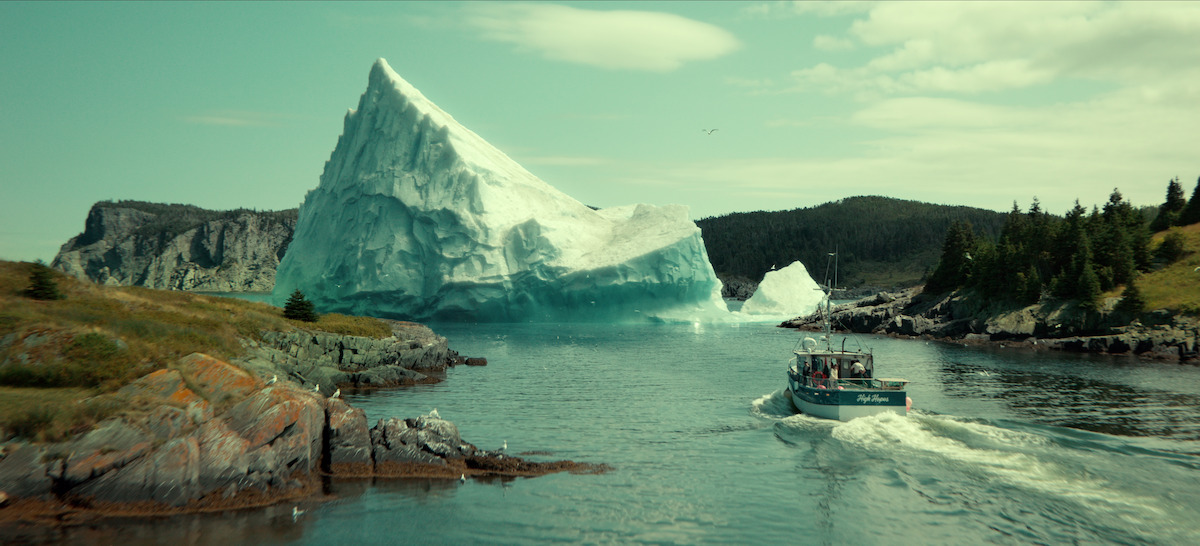
Problem two: the show’s strange tone will not work for everyone
Below moves between folk horror, family drama, creature-feature spectacle, and deliberately eccentric comedy. For some viewers, that mixture is the show’s identity. For others, it can make the stakes harder to take seriously. A tense scene may be followed by an exaggerated line or a bizarre detail that changes the emotional temperature.
The Guardian embraces the absurdity, treating the show’s outrageousness as part of the fun. But that same tone may frustrate viewers who want the threat to feel consistently frightening or the characters’ grief to remain the main focus. A series can be funny and frightening at once; the challenge is making those shifts feel intentional rather than accidental.
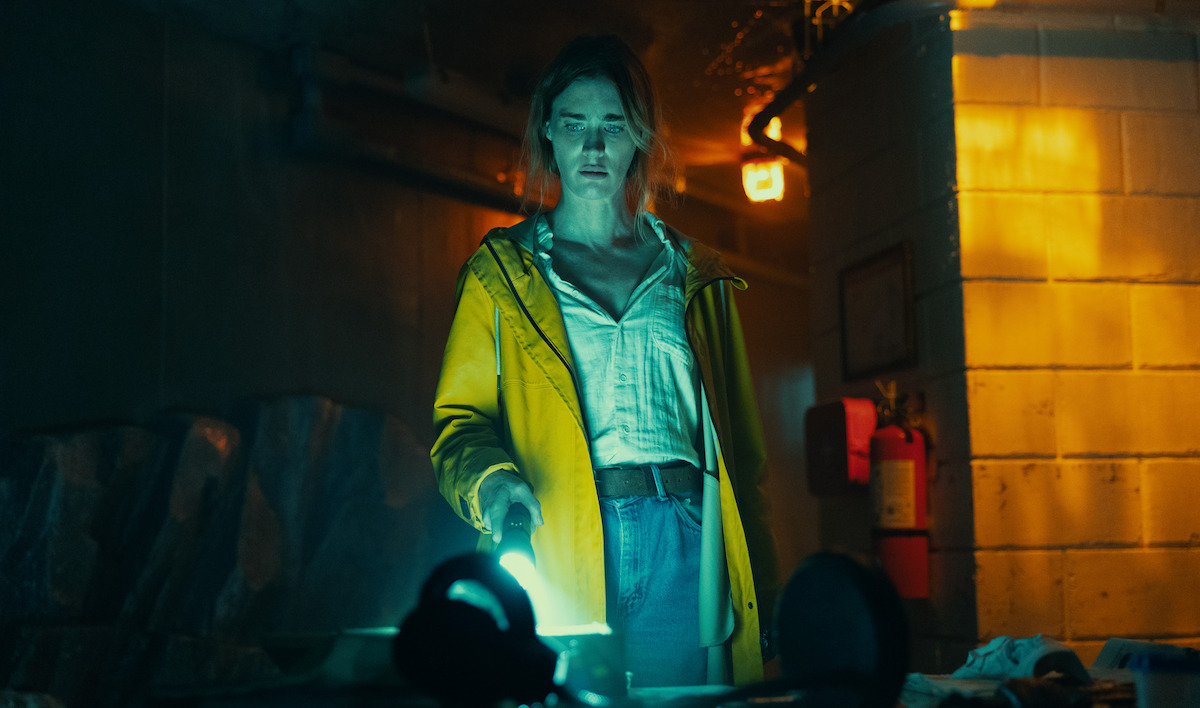
Problem three: comparisons with Widow’s Bay raise expectations
Viewers and reviewers have compared Below with Widow’s Bay, another coastal mystery with supernatural elements and a community full of secrets. The comparison is understandable: both shows use an isolated location to create a pressure cooker of folklore, local history, and unexplained danger.
But comparisons can become a disadvantage when audiences expect one series to deliver the same balance of character work, atmosphere, and mystery as another. The Financial Times review suggests that Below does not always distinguish itself enough from that familiar territory. Its Newfoundland setting is a strength, but setting alone cannot make every story beat feel new.
The series is at its most distinctive when it focuses on the fishing community, Calvin Penney’s family, and the economic uncertainty facing the town. Those details give the horror a human foundation. When the plot leans too heavily on familiar monster-story beats, the show can feel less original than its location and premise suggest.
What still works: atmosphere, performances, and a memorable setting
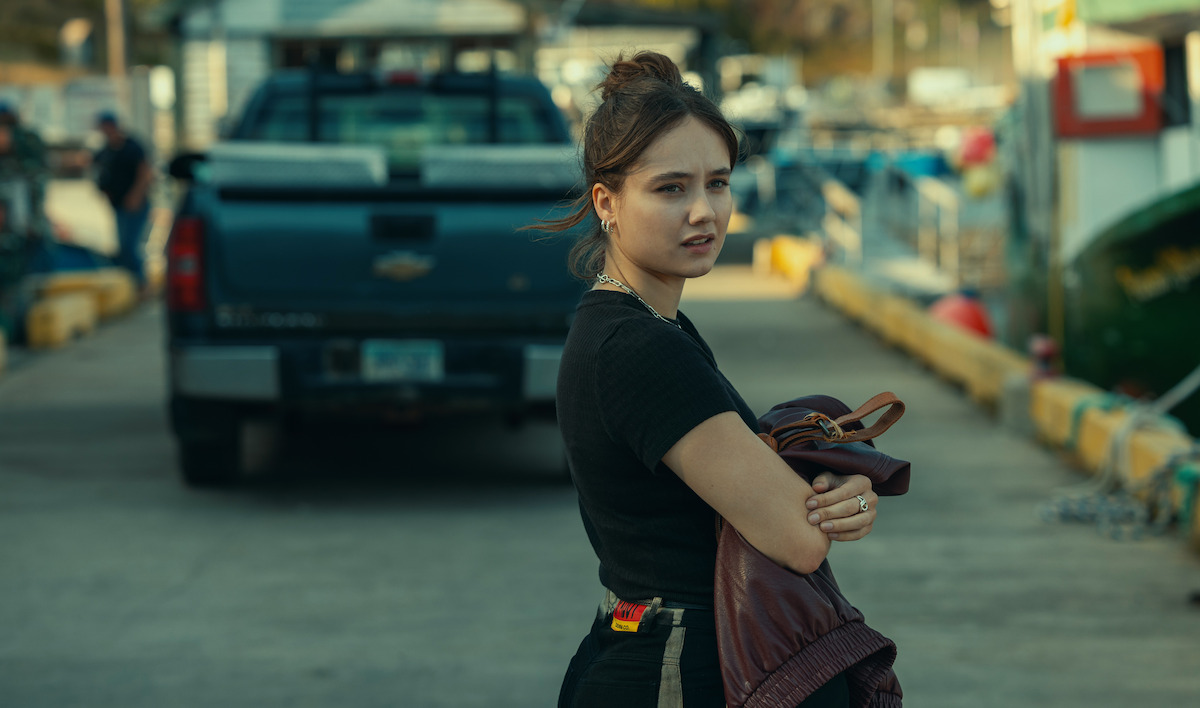
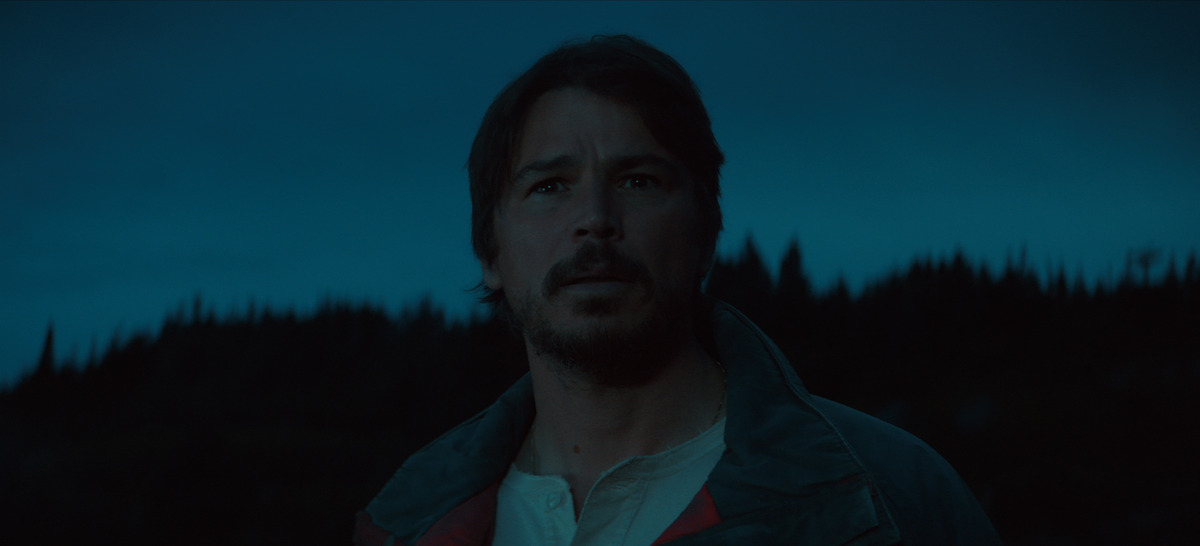
Calling Below a washout would overlook what even the more measured reviews acknowledge. The Newfoundland landscape gives the series a weather-beaten visual identity, while the fishing culture helps the town feel like a place with a history beyond the monster. Josh Hartnett’s Calvin is a grieving father trying to protect his family and community, and Mackenzie Davis brings a grounded investigative perspective to the supernatural mystery.
Netflix’s official Tudum guide confirms the series was filmed in Newfoundland and describes its story as a mix of family, community, suspense, and change. That local grounding is important: the show is not just a creature attack story, but a drama about a community facing a vanishing way of life.
The result is a series that can be uneven without being empty. A viewer looking for a serious ecological allegory may want more depth; a viewer looking for strange coastal horror with humor and a strong sense of place may find plenty to enjoy.
Is Below worth watching despite the mixed reviews?
Yes, if you enjoy atmospheric creature features, unusual small-town characters, and horror that does not take itself entirely seriously. If you need every subplot to pay off cleanly or want the climate-change theme to dominate the narrative, the show may feel less satisfying. The critical split is less about whether Below has ideas and more about how effectively it develops them.
For viewers deciding whether to stream it, the best approach is to treat Below as an eccentric supernatural thriller first and a fully developed climate allegory second. Its strongest elements are its setting, performances, and strange imagery; its weaker elements are the uneven tonal shifts and themes that sometimes remain underexplored.
Frequently asked questions
Did critics universally dislike Netflix’s Below?
No. The reviews checked for this article range from enthusiastic about its absurd, entertaining tone to more reserved assessments of its originality and execution. The Guardian finds fun in its ridiculousness, while the Financial Times is more lukewarm and Tom’s Guide gives it 3.5 out of 5.
Is “water-thin washout” an exact quote from a critic?
We could not verify that exact wording in the reviews cited here. In this article, it is used as a descriptive phrase for criticism of the show’s uneven depth, not as a direct quote attributed to a named reviewer.
What is the biggest criticism of Below?
One recurring concern is that the series introduces a climate-related idea but does not always develop it enough, while its horror, comedy, and family drama sometimes compete for attention.
Where can I watch Below?
Below is available on Netflix’s official page. The limited series stars Josh Hartnett, Mackenzie Davis, and Charlie Heaton.
Sources
- The Guardian — Below review by Sarah Dempster
- Financial Times — Below review
- Tom’s Guide — Below review
- Decider — Stream It or Skip It?
- Netflix Tudum — Below cast, plot, and production details
By Shivam Das






