Article #18 — From Cold Case to Confession: How Brandon Nodier Was Finally Caught 27 Years Later
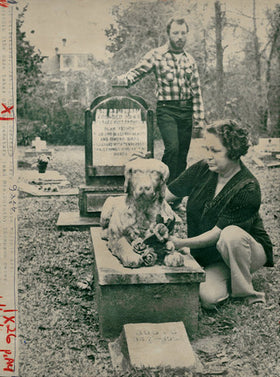
For nearly three decades, Brandon Nodier remained a suspect in the 1985 killing of Dorothy Lou Thompson, the owner of Azalea Original Pet Cemetery in Toca, Louisiana. Investigators knew about a dispute over Thompson’s property, but suspicion alone was not enough to bring a case to trial. In 2012, a witness came forward with information that changed the investigation. Nodier was indicted, then pleaded guilty to manslaughter in 2014 and received a 10-year sentence. The documented legal record—not the ghost stories that later became part of the case’s public reputation—is the clearest way to understand how the investigation ended. FOX 8’s 2014 report and the St. Bernard Parish Sheriff’s Office release describe the plea and sentence.
Why Nodier was a suspect from the beginning
Thompson disappeared in April 1985. Her body was found in the Mississippi River on May 2, weighed down with chains. Nodier had worked as a handyman and groundskeeper for Thompson and her mother, and investigators said he and Thompson were embroiled in a dispute over the cemetery property. Authorities believed the disagreement over the land was a possible motive, but early investigators did not have enough evidence to arrest and prosecute him successfully.
That distinction matters: being a suspect is not the same as being convicted. The case stayed unresolved while investigators lacked evidence they believed could support a prosecution. Contemporary reporting later described Nodier as an early suspect who could not be charged until new information surfaced.
The turning point: a witness comes forward
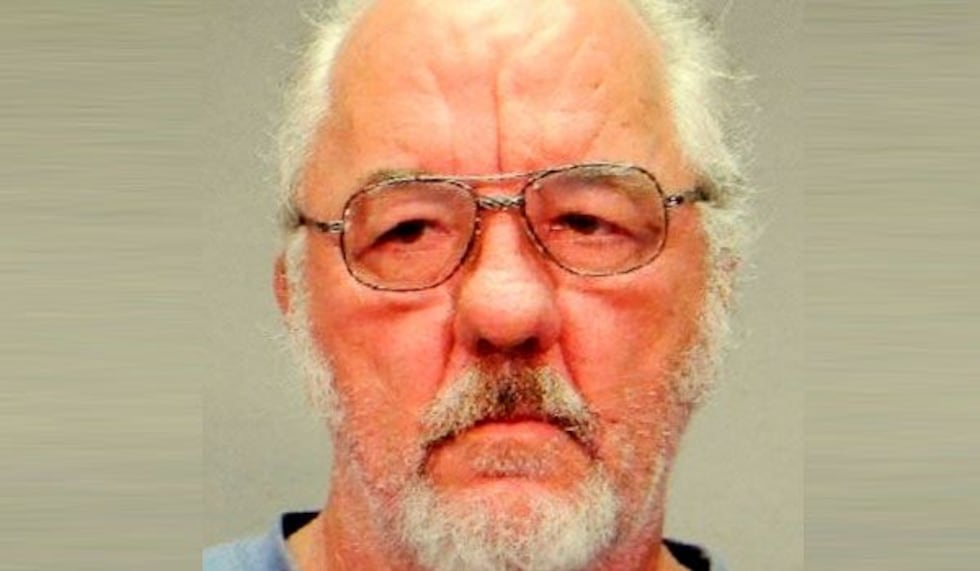
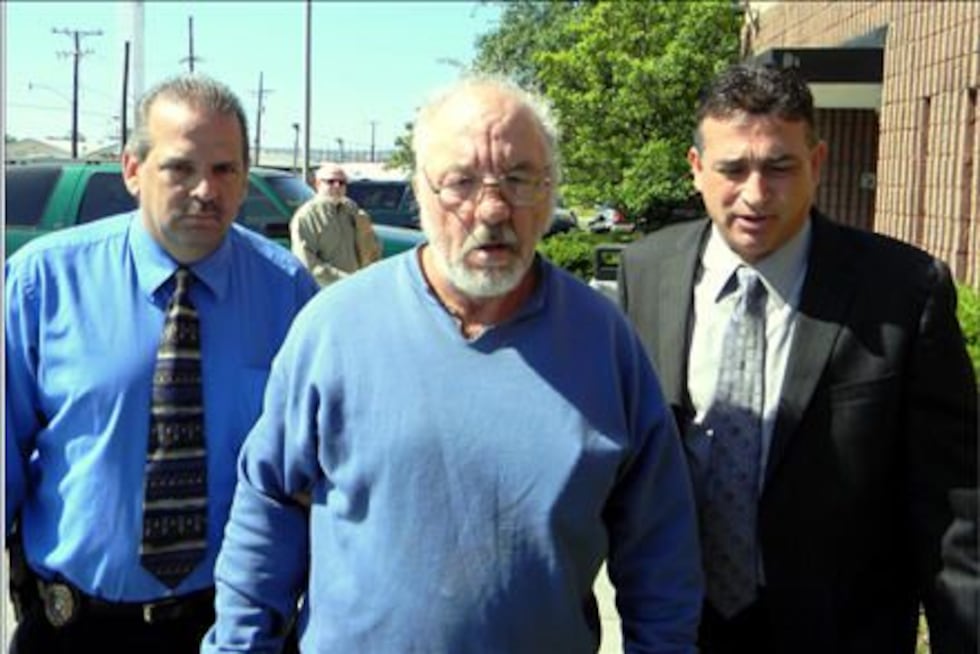
In the months before Nodier’s 2012 arrest, a witness provided investigators with information about the killing. Later reporting said the prosecution relied heavily on this witness, who claimed to have seen Nodier kill Thompson and move her body. Investigators took the new information to a grand jury, which indicted Nodier on a second-degree murder charge in April 2012. Nodier surrendered to authorities.
The case also became associated with reports that witnesses believed Dorothy’s ghost had urged them to speak. Those claims are part of the story told around the investigation, but they are not independently verifiable evidence of a supernatural event. What mattered legally was the information the witness supplied and how authorities evaluated it.
What investigators said about the motive
Investigators said the dispute concerned Thompson’s 14-acre property in the Toca community. According to the sheriff’s office, Thompson believed she had been misled into signing documents affecting ownership and filed a lawsuit to recover the land. She disappeared shortly before a scheduled court appearance. Authorities viewed the property dispute as a central part of the suspected motive.
These are investigators’ statements as reported by local news—not a reason to embellish the record or assume every theory was independently established at trial. The strongest summary is that the land dispute helped direct suspicion, while the later witness account supplied evidence that had been missing for years.
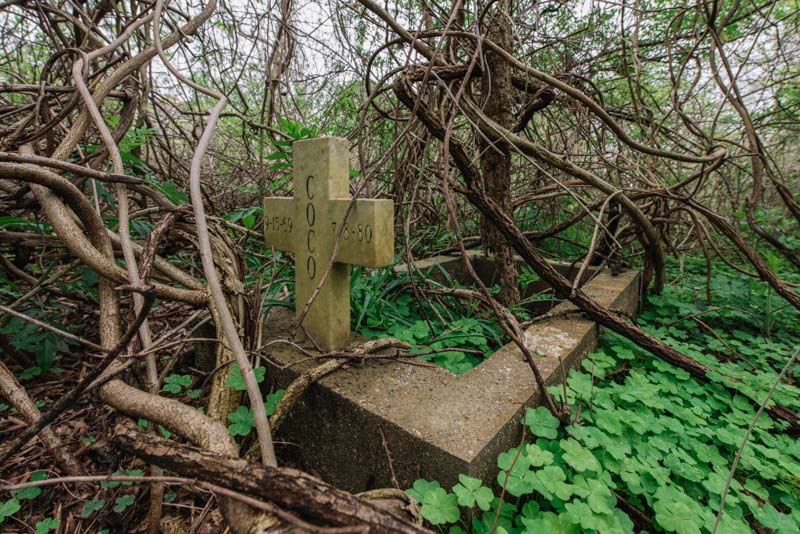
From a murder indictment to a manslaughter plea
The 2012 indictment charged Nodier with second-degree murder. Two years later, the case concluded with a plea agreement to the reduced charge of manslaughter. On July 11, 2014, a judge accepted the plea and sentenced Nodier to 10 years in prison. He had been free on bond after the indictment and was taken into custody after the plea.
The outcome was not a jury verdict after a murder trial: it was a guilty plea to manslaughter under an agreement. Sheriff James Pohlmann publicly expressed frustration that the sentence was not longer, while also acknowledging the risk of taking a case with limited evidence to trial. Accurate coverage should state both the plea and the sentence without describing it as a second-degree murder conviction.

Why did the case take 27 years?
Investigators suspected Nodier early, but the original case did not have enough evidence for an arrest and indictment. The new witness information in 2012 gave authorities a basis to take the case to a grand jury. Cold cases can remain unresolved when investigators lack reliable witnesses, corroboration, or evidence that can withstand legal scrutiny; a renewed lead can change that, but it does not erase the decades of uncertainty for the victim’s community.
The case is now being revisited in HBO’s three-part documentary The Pet Cemetery Murders: A Ghost Story. The series places the murder investigation alongside the region’s stories of hauntings. Viewers should keep those two strands separate: the paranormal claims are reported testimony, while the plea and sentence are documented legal events.
Watch the official HBO trailer
Social embed note: I could not verify an authentic public X/Twitter or Instagram post by Nodier or a verified official post directly discussing the plea that was suitable to embed. Rather than fabricate a post or misattribute an account, this article embeds the official HBO trailer and links to contemporaneous news and law-enforcement sources.
Frequently asked questions
When was Brandon Nodier arrested?
Nodier surrendered to authorities in April 2012 after a grand jury indicted him on a second-degree murder charge in connection with Dorothy Thompson’s 1985 death.
Why was Nodier suspected?
Investigators said he had worked for Thompson and that they were in a dispute over ownership of her property. He was an early suspect, but investigators lacked enough evidence to bring the case forward until a witness supplied new information.
Was Brandon Nodier convicted of second-degree murder?
No. The 2012 indictment charged second-degree murder, but in July 2014 Nodier pleaded guilty to the reduced charge of manslaughter.
What sentence did Nodier receive?
He received a 10-year prison sentence after the manslaughter plea on July 11, 2014.
Did ghost sightings solve the murder?
Witnesses reportedly described ghost experiences, but those claims are not independently verifiable. The case advanced when a witness provided information investigators could pursue.
Sources and image credits
- FOX 8 — 2014 plea and sentencing
- FOX 8 — 2012 indictment and investigators’ statements
- WDSU — arrest in the 1985 killing
- St. Bernard Parish Sheriff’s Office — plea release
- Biography.com — case background
- Autopsy of Architecture — cemetery history and photographs
By Shivam Das. Updated October 10, 2026. This article distinguishes the indictment, plea agreement, and documented sentence from witness claims and investigative theories.