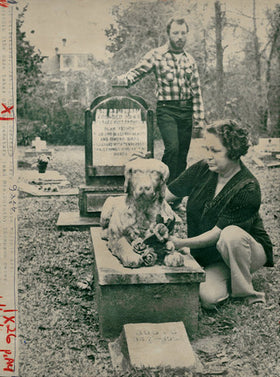
Article #17: What Happened to the Two Witnesses Who Claimed Dorothy’s Ghost Haunted Them?
When Detective John Doran revisited Dorothy Lou Thompson’s 1985 murder in 2009, an unusual account came with information about the long-unsolved case: a witness said Dorothy’s ghost had pushed him to speak. Three years later, a second witness, former assistant groundskeeper James J. Tregler, came forward with details about the killing. Their accounts became a central part of the story explored in HBO’s The Pet Cemetery Murders: A Ghost Story. The ghost claims are the witnesses’ own explanations—not independently verified proof of a supernatural event. Biography.com’s case timeline and The Cinemaholic’s reporting describe the investigation and the witnesses.
The first witness: the 2009 tip
After the case had remained cold for years, an anonymous caller reportedly contacted authorities in 2009 with information connected to an alleged confession. The story attached to that tip was extraordinary: the caller said Dorothy’s ghost had appeared and compelled him to talk. The key investigative question, however, was not whether the haunting could be proven; it was whether the information could be checked against other evidence and leads.
Detective John Doran reopened the file and pursued the new information. Accounts vary in how they describe the first tipster and the path by which the information reached police, so it is safer not to invent a name or claim more certainty than the public record supports. The witness’s reported belief in a ghost should remain attributed to that witness.
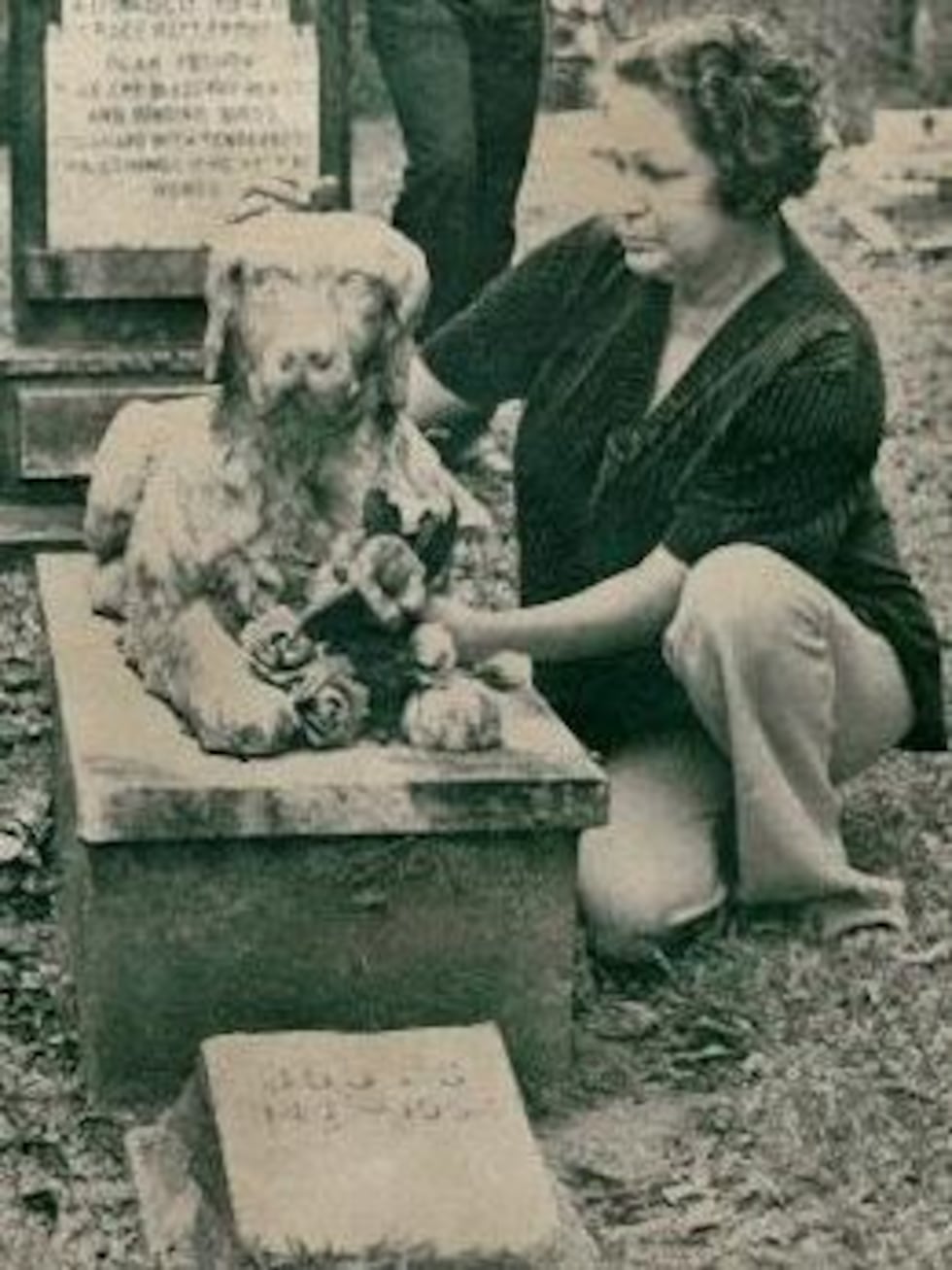
The second witness: James J. Tregler in 2012
In 2012, James J. Tregler, a former assistant groundskeeper at the pet cemetery, came forward with an account of events connected to Dorothy’s death. Reports say he provided firsthand information about the killing and described threats he said he had received. His account gave investigators another lead to evaluate and formed part of the path toward a grand-jury indictment.
Tregler’s role should be described carefully. Public reporting identifies him as a witness and former cemetery worker; it does not justify treating every detail of his account as independently proven simply because he spoke to police. As with any cold case, investigators must assess credibility, corroboration and the legal record separately from a witness’s interpretation of why he came forward.
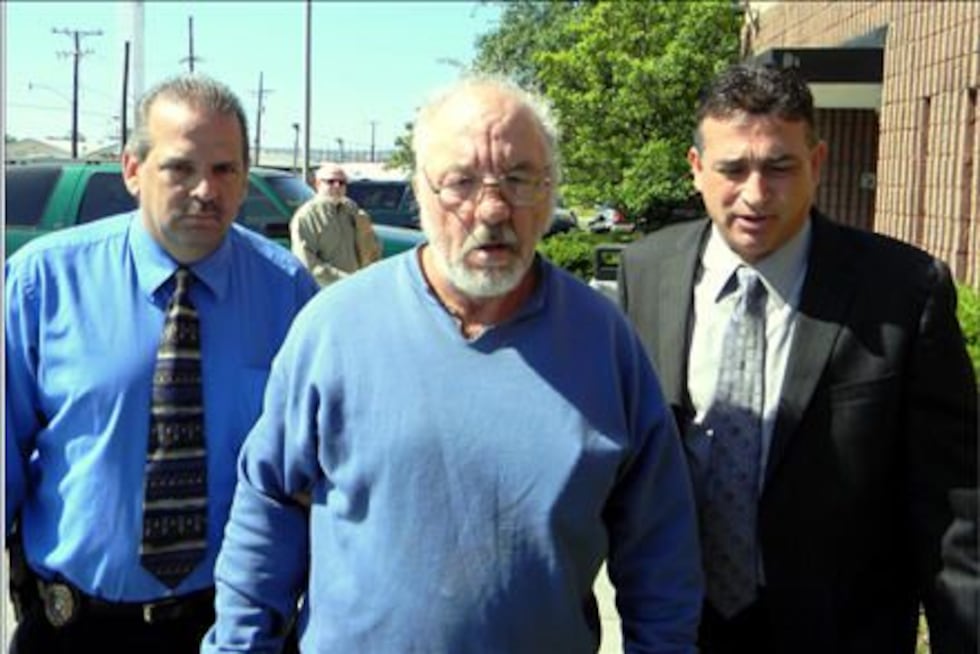
How the witnesses affected the cold case
Dorothy Lou Thompson disappeared on April 13, 1985. Her body was found in the Mississippi River on May 2, weighed down with chains. Investigators had looked at the case earlier, but it did not result in a conviction at the time. The later accounts helped revive attention and led to renewed investigative steps, including Nodier’s 2012 indictment.
In July 2014, Brandon Nodier pleaded guilty to manslaughter and received a 10-year sentence. That legal outcome is the clearest documented endpoint in the case. It is distinct from the witnesses’ paranormal explanations, which remain claims about their experiences. FOX 8’s 2012 report and its 2014 sentencing report cover those milestones.
What is known about Detective John Doran?
Doran, then a St. Bernard Parish investigator, helped reopen the case in 2009 and followed up on new information. His work represents the conventional investigative side of the story: reviewing old leads, interviewing witnesses and trying to distinguish usable evidence from rumor. The St. Bernard Parish Sheriff’s Office later highlighted his involvement in the HBO documentary. Read the Sheriff’s Office announcement.
Did the witnesses really see a ghost?
The public accounts establish that witnesses said they experienced a haunting or felt compelled by Dorothy’s ghost to speak. They do not independently establish that a ghost appeared. Readers can take the claims as sincere personal testimony, skepticism, folklore, or an element of the documentary’s storytelling without confusing them with forensic proof.
The case is compelling precisely because it brings different kinds of testimony together: personal memories, claims about supernatural experiences, and information that investigators could pursue. The legal record should remain the anchor when describing what was ultimately established.
Watch the official trailer
Social media embed note: I could not verify an original public X/Twitter or Instagram post from either witness that could be embedded authentically. This article uses the official trailer and links to published reporting instead of inventing a social post or attributing an unverified account to a real person.
Frequently asked questions
Who was the first witness in 2009?
Public accounts describe a witness or caller who brought investigators information linked to an alleged confession and said Dorothy’s ghost prompted him to speak. Sources do not consistently provide enough verified detail to safely name that first witness here.
Who was the second witness?
James J. Tregler, a former assistant groundskeeper at Azalea Original Pet Cemetery, came forward in 2012 with information about Dorothy’s death.
Did the witnesses prove Dorothy’s ghost existed?
No. Their ghost experiences are personal claims and have not been independently established as supernatural fact.
What happened to Brandon Nodier?
Nodier pleaded guilty to manslaughter in July 2014 and received a 10-year sentence.
Why did the case reopen?
Detective John Doran revisited the case in 2009 after new information came to investigators. A second witness came forward in 2012, adding further information to the investigation.
Sources and image credits
- Biography.com — Dorothy Lou Thompson case timeline
- The Cinemaholic — case and witness reporting
- FOX 8 — 2012 indictment report
- FOX 8 — 2014 plea and sentencing report
- St. Bernard Parish Sheriff’s Office — Detective John Doran and the series
- Autopsy of Architecture — cemetery history and archival photographs
By Shivam Das. Updated October 10, 2026. This article distinguishes witness testimony from independently documented facts.