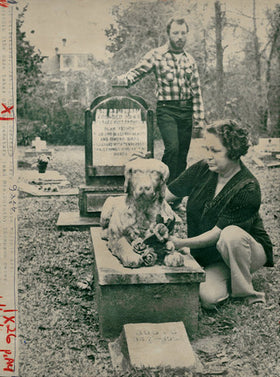
Does the land around the Azalea Original Pet Cemetery have a “curse” behind Dorothy Lou Thompson’s murder? The story is often told with a supernatural edge, but the documented record and local folklore need to be kept separate. The Toca area sits in a bayou landscape with a long history, and the cemetery’s unusual setting helped make it the focus of ghost stories. There is, however, no verified evidence that the land was cursed or that a supernatural force caused the crimes associated with the property.
Why the “cursed bayou” story took hold
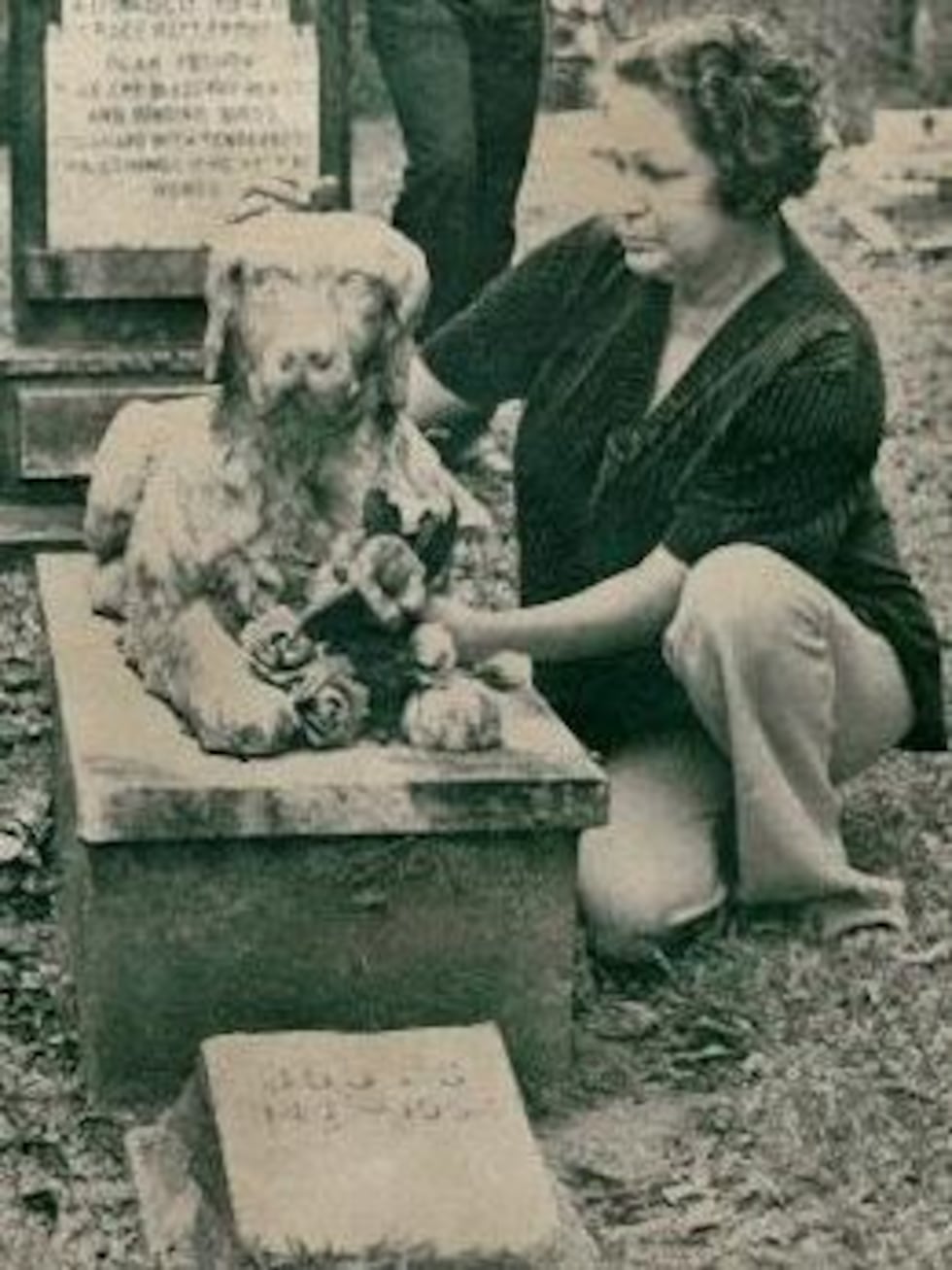
The cemetery was established on the former Toca Plantation near Bayou Terre aux Bouefs in St. Bernard Parish. Historical accounts describe a landscape shaped by plantation-era settlement, waterways, family conflict, and later abandonment. One frequently repeated story says plantation owner Philippe Toca killed Gilbert Leonard in a duel in 1845. That episode is part of the site’s local history as reported by the Abandoned Atlas Foundation; it does not prove that the land carried a curse forward into the twentieth century.
When a place has a remote setting, old graves, a decaying building, and several violent events associated with it, stories can accumulate over generations. Folklore can tell us how a community interprets a place, but it is not the same as forensic evidence or a verified explanation for a murder.
The crimes behind the legend
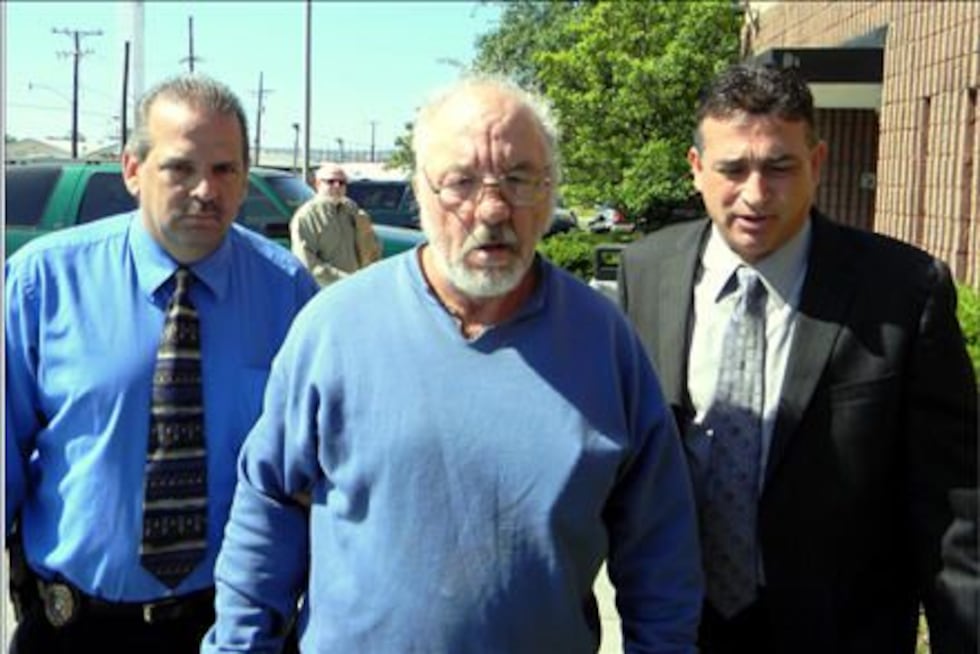
Dorothy disappeared on April 13, 1985, while involved in a legal dispute over the cemetery property. Her body was found in the Mississippi River on May 2. Investigators later focused on Brandon Nodier, the former groundskeeper. The case was reopened in 2009, Nodier was arrested in 2012, and he pleaded guilty to manslaughter in 2014, receiving a 10-year sentence. These are the verifiable milestones; a curse is not part of the established legal explanation.
Where ghost stories enter the case
Public reporting says two witnesses came forward years later and described experiences they interpreted as Dorothy’s ghost haunting them. One anonymous caller reportedly said Nodier had confessed to the killing; former assistant groundskeeper James J. Tregler later claimed he had witnessed the murder. Their accounts were important leads in the cold-case investigation, but a witness’s belief about a ghost does not independently establish paranormal activity.
The distinction matters: the documented investigative question is whether information from the witnesses could be checked against other facts. The supernatural element explains the unusual way the story came to public attention; it should not be treated as proof that a spirit directed police to the killer.
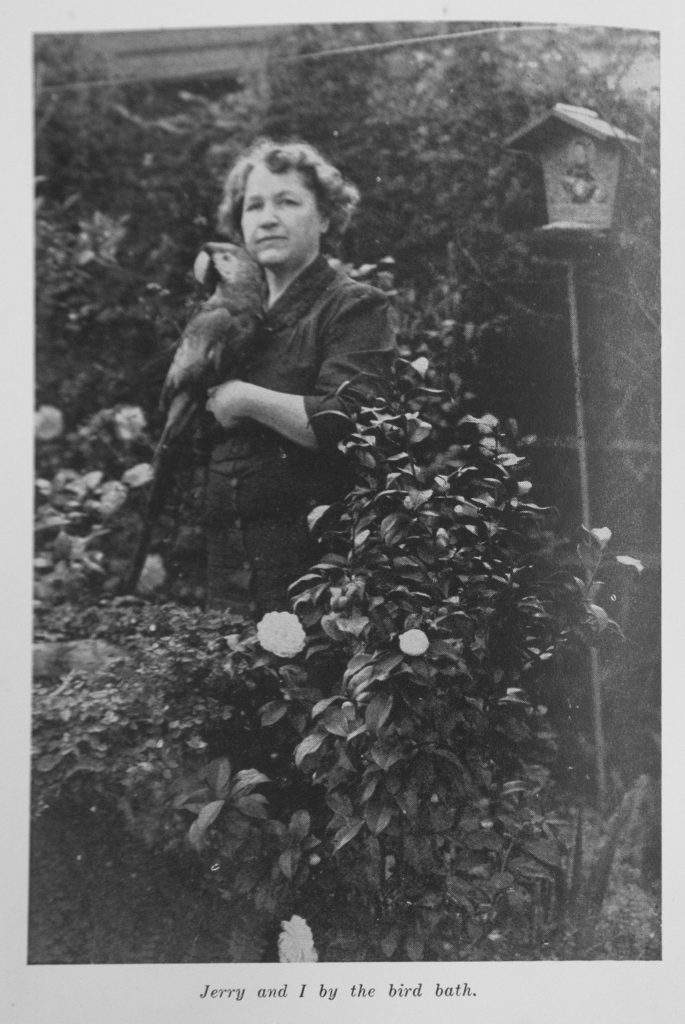
What the cemetery photographs can—and cannot—show
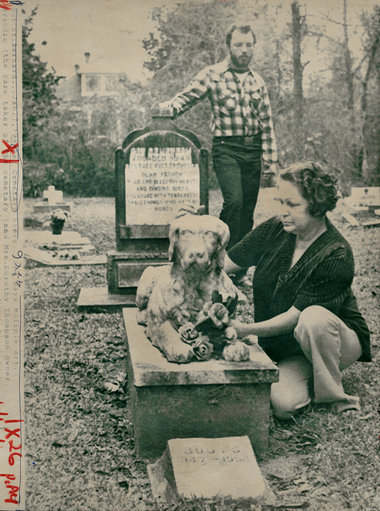
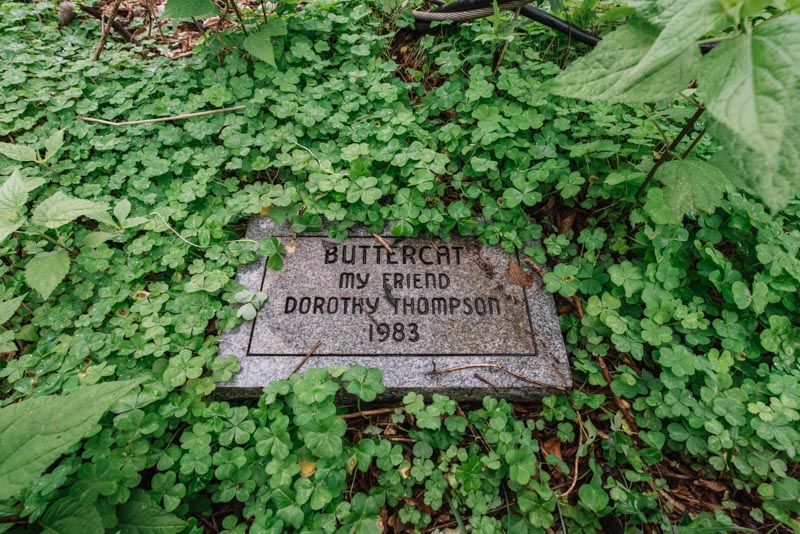
Photographs of overgrown paths, pet markers, and the old grounds can convey the site’s atmosphere. They cannot establish that the location is cursed, that a ghost appeared, or that any particular person committed a crime. The image below shows the marker for Dorothy’s cat Buttercat, dated 1983, and offers a tangible glimpse of the cemetery’s everyday history before the murder.
Watch the documentary trailer
HBO’s three-part documentary uses the bayou setting and the witnesses’ ghost accounts as part of its narrative. The trailer is promotional material, though, and does not verify supernatural claims.
Embedded social post
This official sheriff’s-office Facebook post relates to the underlying case. It is included as a public social reference, not as proof of a supernatural theory. If the embed is blocked by browser settings, open the original post.
Open the St. Bernard Parish Sheriff’s Office Facebook post.
So, was the bayou cursed?
The “cursed bayou” is best understood as folklore surrounding a remote and tragic location. The area’s history, the cemetery’s atmosphere, and witnesses’ reported ghost experiences help explain why the story feels haunting. But the public evidence supports a criminal investigation and a 2014 manslaughter plea—not a proven supernatural cause. Keeping that distinction clear makes the case more compelling, not less: the real history is disturbing enough without presenting legend as fact.
Sources
- Abandoned Atlas Foundation — Azalea Original Pet Cemetery history and photographs
- Biography.com — Dorothy Thompson, witness accounts, and case timeline
- BroadwayWorld — HBO documentary announcement
- FOX 8 — Nodier’s 2012 arrest and indictment
- FOX 8 — 2014 plea and sentencing
- Autopsy of Architecture — cemetery history and archival imagery
SEO focus: The Cursed Bayou Theory, Azalea Original Pet Cemetery, Dorothy Lou Thompson murder, Louisiana bayou legends, Toca Louisiana true crime, The Pet Cemetery Murders HBO.