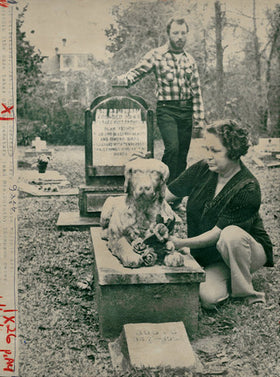
Article 22 in our 30-part series. HBO's The Pet Cemetery Murders: A Ghost Story revisits more than one homicide. Dorothy Lou Thompson's death, the history of the Azalea Original Pet Cemetery, a family marked by earlier violence, and decades of rumors created a complicated local story. Some accounts mention alleged criminal connections and old unsolved deaths—but allegations, rumors, and proven legal outcomes must not be treated as interchangeable.
This guide separates documented events from claims and folklore. It does not claim that every death around the cemetery was a murder, or that Dorothy or her mother was responsible for crimes for which no conviction was recorded.
Dorothy Thompson and the 1985 cold case
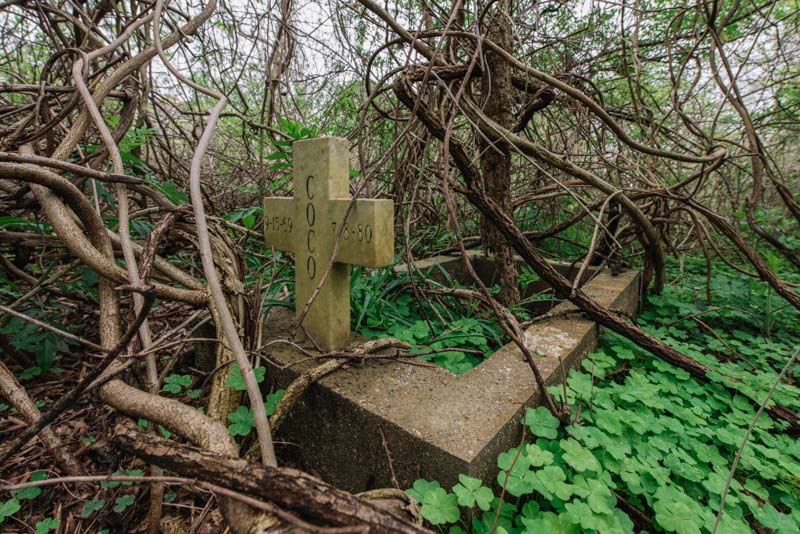
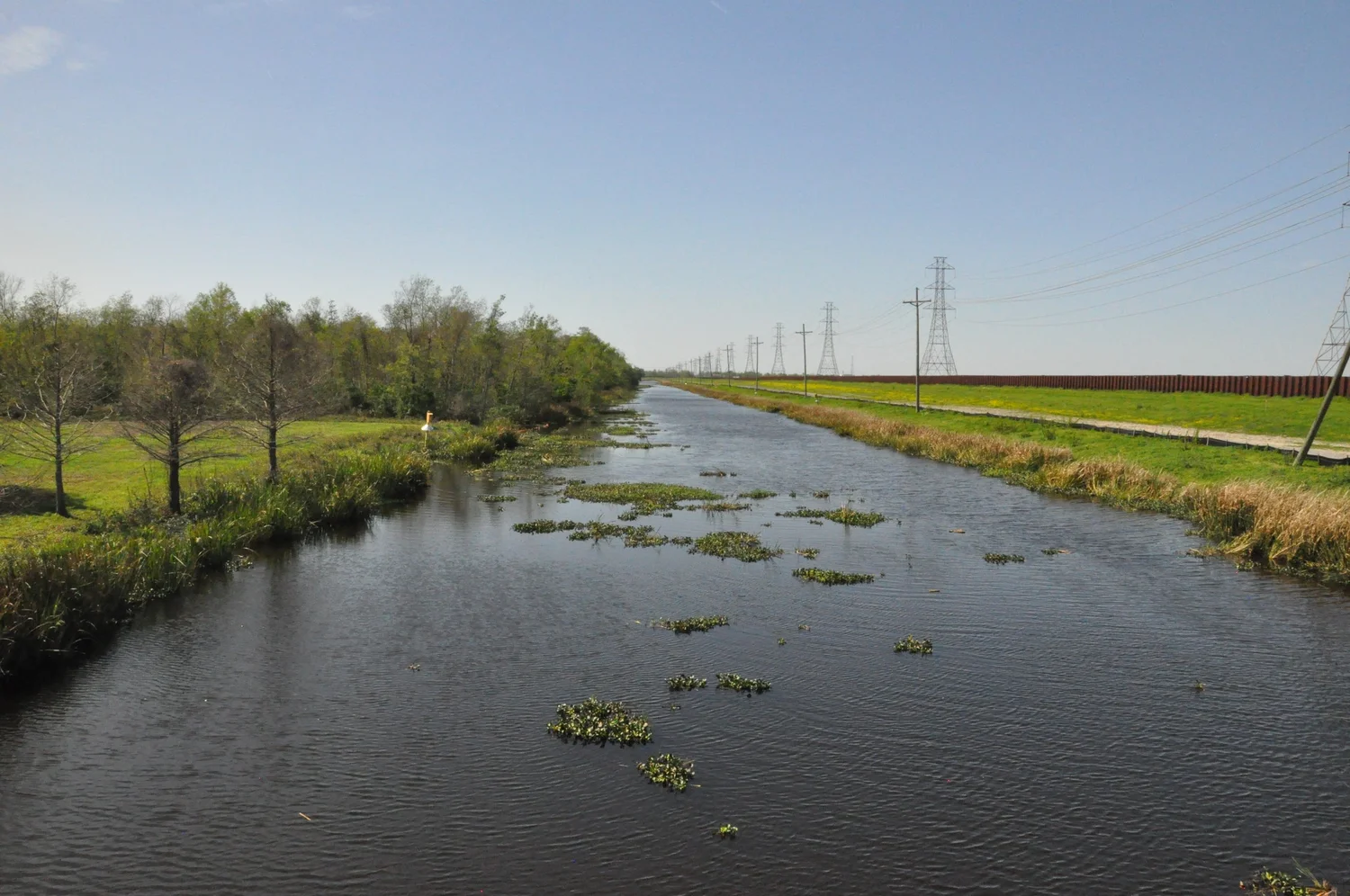
Dorothy Lou Thompson ran the Azalea Original Pet Cemetery in Toca, St. Bernard Parish, Louisiana. She disappeared on April 13, 1985, and fishermen found her body in the Mississippi River on May 2. Accounts describe her body as weighed down with chains. The case stalled for decades before an investigation reopened in 2009 after information reached authorities.
Brandon Nodier: the legal outcome
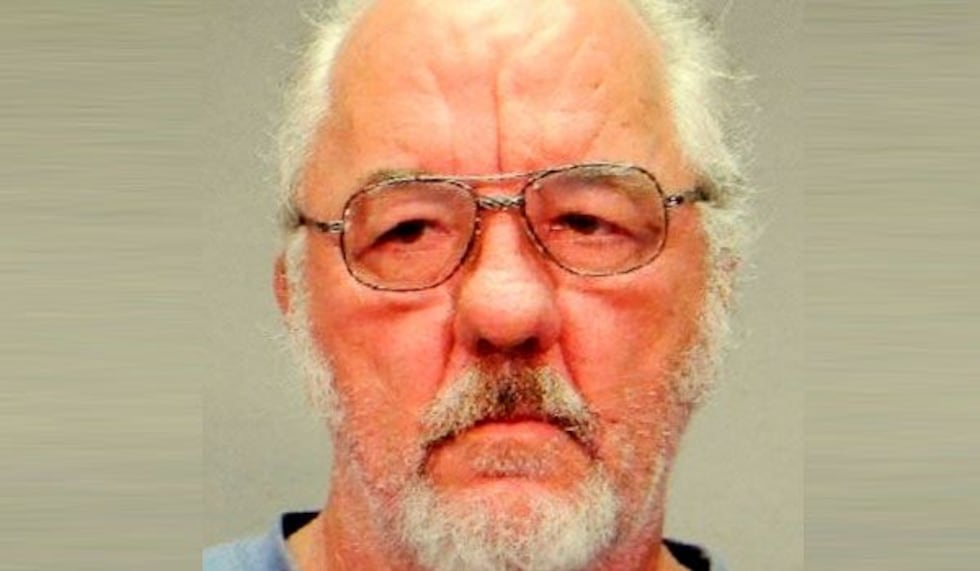
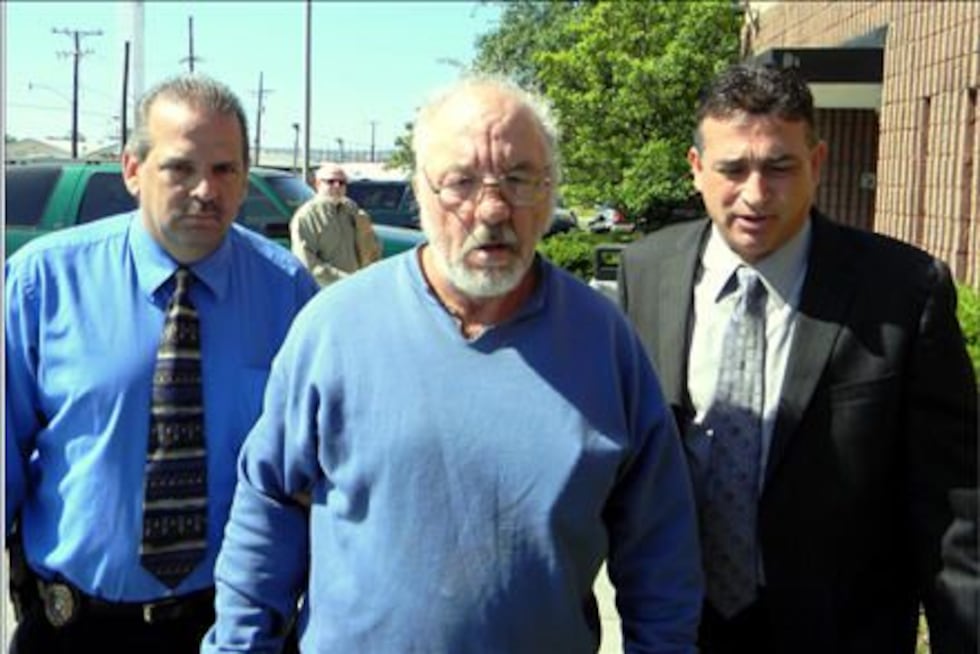
Brandon Nodier, who had worked at the cemetery, became the focus of the reopened investigation. He was charged in 2012 and pleaded guilty to manslaughter in July 2014. He received a 10-year sentence, according to local reporting. That plea is a documented legal outcome; it should be distinguished from unproven theories repeated in later retellings.
Grace Wynne's earlier criminal case
Dorothy's mother, Grace Wynne, had a documented criminal case decades before Dorothy's death. In 1934, Grace shot and killed Mary Thompson, the new wife of Grace's former husband, in Kansas City. Grace was convicted in 1942, but the Missouri Supreme Court ordered a retrial in 1944 because of a legal error. That ruling was not an acquittal; later accounts say the charges were ultimately dropped. This history is relevant context, but it does not establish that Grace committed any other suspected crime.
Two husbands, two deaths—and the limits of the evidence
Published accounts describe two of Dorothy's husbands dying violently. In 1970, Dorothy fatally shot her first husband, Logan Banks; authorities treated the incident as self-defense and did not charge her. Her later husband, Donald Robinson, was found shot in 1978. Dorothy was not charged in his death. These events have fueled speculation, but they do not justify presenting Dorothy as a murderer. The official outcomes matter.
The same caution applies to talk of mobsters, massacres, and a “trail of bodies.” Such language reflects dramatic framing often used in true-crime summaries, but each specific allegation needs its own evidence. Available accounts establish a violent family history and a homicide investigation; they do not prove every rumor that accumulated around the cemetery.
Why the cemetery became the center of so many stories
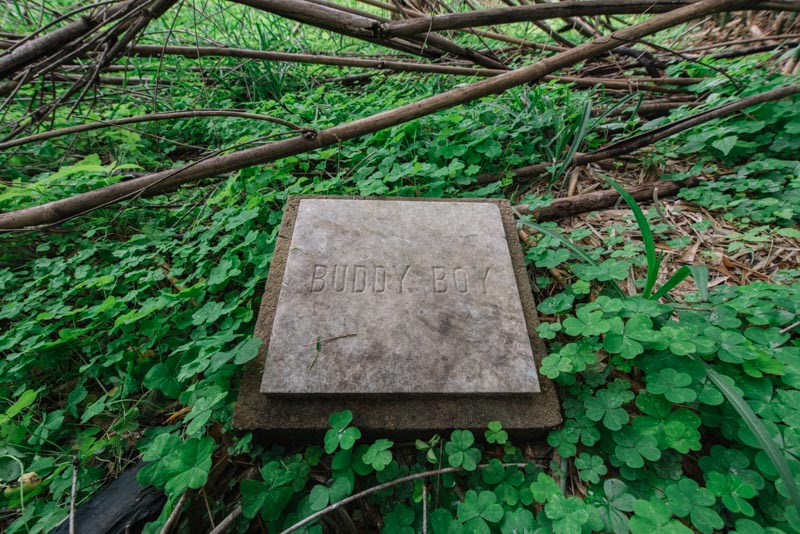
The cemetery was a distinctive roadside attraction and a place where several personal histories intersected. Property disputes, the 1985 homicide, the long delay before an arrest, and witness accounts involving a ghost all contributed to its reputation. Some witnesses said they were haunted by Dorothy's spirit; those are claims about personal experiences, not independently verified evidence of a supernatural cause.
How HBO and the podcast revisit the story
The Pet Cemetery Murders: A Ghost Story is a three-part HBO documentary directed by Philip Cairney and produced by Lightbox. The Gone South podcast also recounts the case, including the cemetery's family history and the witness information that helped revive the investigation. Both are narrative works; for specific legal claims, consult contemporary reporting and court history alongside them.
Frequently asked questions
Was Dorothy Thompson convicted of killing either of her husbands?
No. Authorities treated the 1970 shooting of Logan Banks as self-defense and did not charge Dorothy. She was not charged in Donald Robinson's 1978 death either.
What was Grace Wynne convicted of?
Grace Wynne was convicted in 1942 for the 1934 shooting death of Mary Thompson. The Missouri Supreme Court ordered a retrial in 1944 because of legal error; that decision was not an acquittal.
Who pleaded guilty in Dorothy Thompson's case?
Brandon Nodier pleaded guilty to manslaughter in July 2014 and received a 10-year sentence.
Were mobsters definitively linked to every event at the cemetery?
Do not assume that. Some later accounts use dramatic language about the area's violent past, but each alleged connection requires separate evidence. Rumor alone does not establish a criminal link.
Are the ghost stories proven?
No. Witnesses reportedly described paranormal experiences, but those accounts are not independently verifiable proof of ghosts.
Sources and further reading
- Biography.com — Dorothy Lou Thompson and the Pet Cemetery case
- WVUE/FOX 8 — Man sentenced in 1985 murder case
- Gone South — The Pet Cemetery Murders: Part 1
- Gone South — The Pet Cemetery Murders: Part 2
- State v. Wynne — Missouri Supreme Court, 1944
- Autopsy of Architecture — Azalea Original Pet Cemetery history and photographs
- Warner Bros. Discovery — HBO Max October programming and series details
Editorial note: This article distinguishes documented events from allegations, rumor, and paranormal claims. Images are credited at point of use; verify third-party image licensing before commercial reuse.