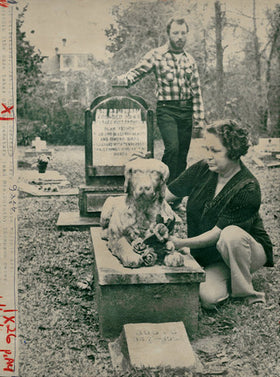
Article 21 in our 30-part series. When fishermen discovered Dorothy Lou Thompson's body in the Mississippi River on May 2, 1985, it was weighed down with an extraordinary amount of heavy chain. Later accounts, including the Gone South podcast, describe approximately 200 pounds of chain. The detail became one of the most haunting facts in a case that remained unresolved for decades.
Thompson owned the Azalea Original Pet Cemetery in Toca, St. Bernard Parish, Louisiana. Her disappearance and death became the focus of HBO's three-part documentary The Pet Cemetery Murders: A Ghost Story. This article explains what reputable reporting says about the chains, the discovery, and the investigation—while distinguishing established facts from later speculation.
What was found in the Mississippi River?
On May 2, 1985, fishermen found a woman's body in the Mississippi River. Authorities identified her as Dorothy Thompson, who had disappeared from the St. Bernard Parish area weeks earlier. News reports say her body was restrained with chains; a later Gone South account describes the chains as weighing about 200 pounds. The chains are a reported case detail, not a reason to embellish the evidence with unverified claims about the exact method or motive.
Why use so much chain?
Investigators and later accounts have treated the chains as an attempt to weigh down the body. Beyond that broad description, readers should be careful about assuming details that are not supported by reliable reporting or court records. A forensic detail can help explain the investigation, but it does not by itself identify the person responsible or prove a motive.
The case was especially difficult because authorities initially lacked sufficient evidence to make an arrest. Suspicion surrounding former cemetery groundskeeper Brandon Nodier did not lead to a resolution at the time. The discovery of the body established a homicide investigation; the chains became a memorable physical detail in later retellings.
The cold case and the 2014 plea
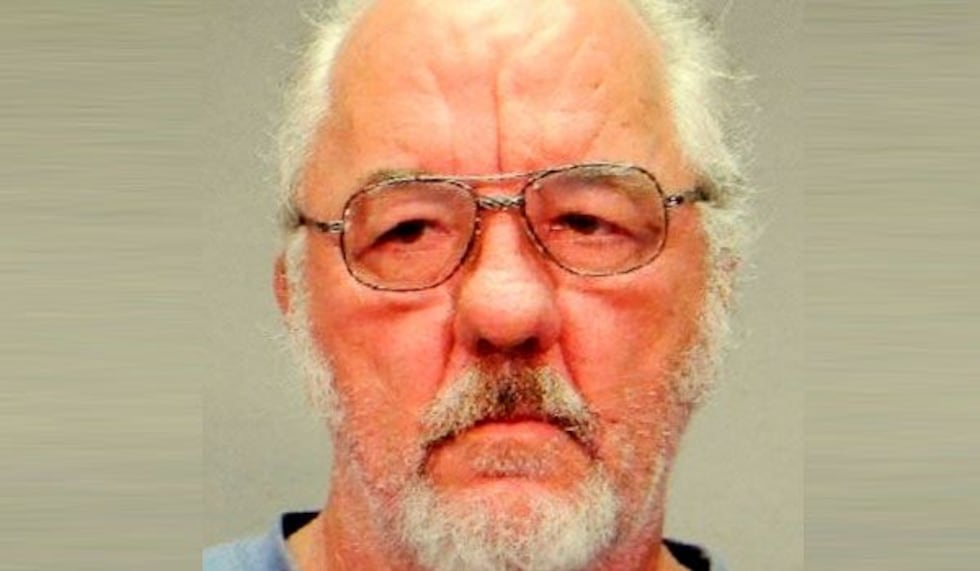
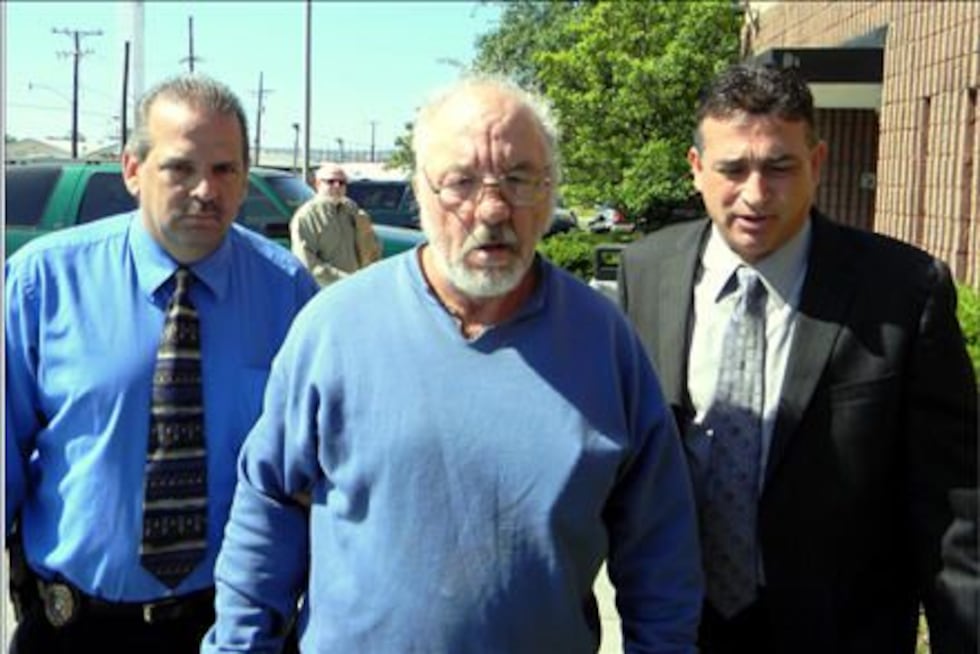
The investigation was reopened in 2009 after information reached authorities. Witness accounts, including a reported account of an alleged confession, helped move the case forward. Nodier was charged in 2012 and pleaded guilty to manslaughter in July 2014. A judge sentenced him to 10 years in prison, according to contemporaneous local reporting.
It is important to describe the legal outcome precisely: Nodier pleaded guilty to manslaughter. Headlines and retellings sometimes use the word “murder” broadly when discussing the case, but the plea and sentence are the clearest legal milestones. The chains and the location where Thompson's body was found are part of the case history; neither should be used to imply facts that the court record does not establish.
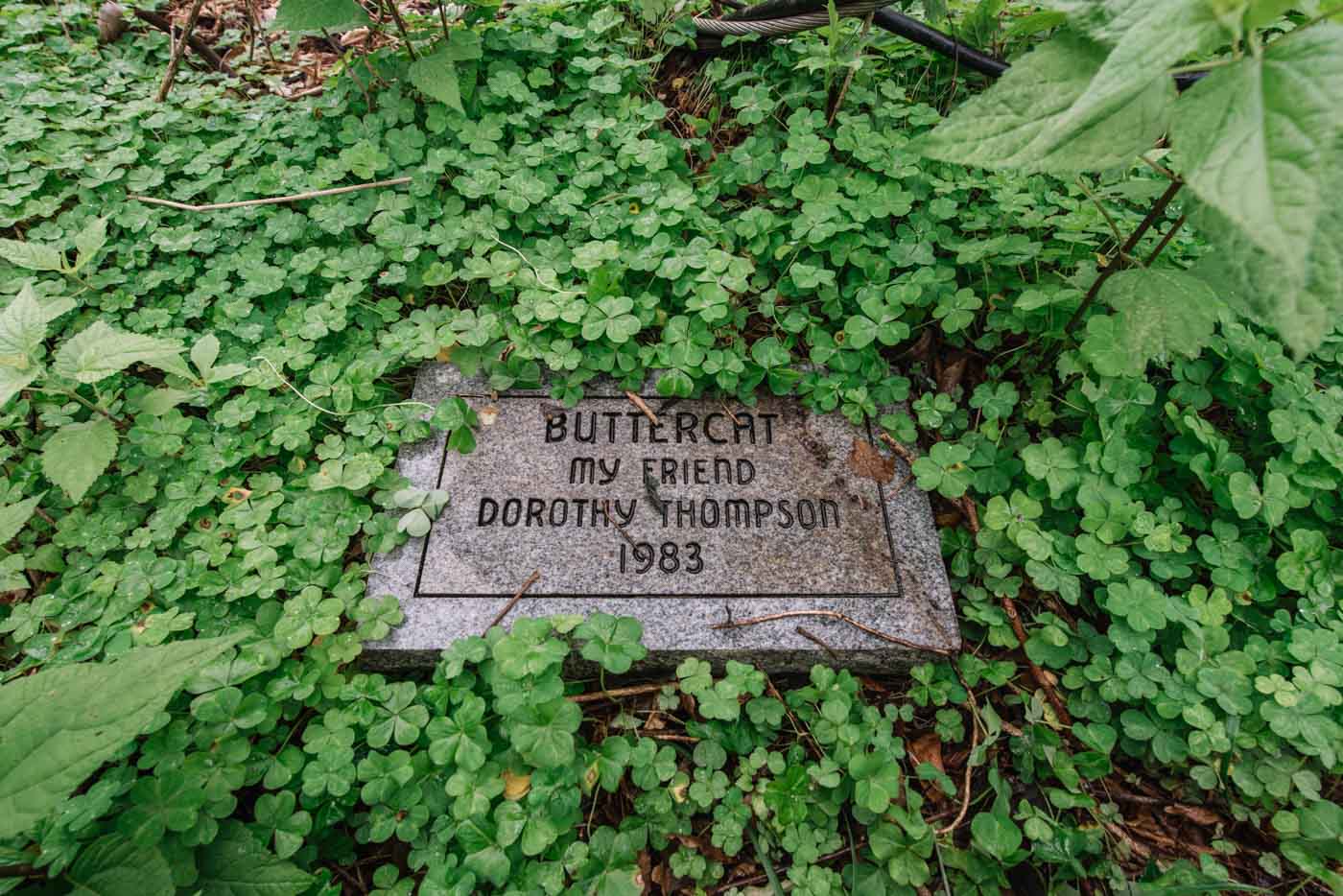
How the chain detail became part of a ghost story
Years later, witnesses reportedly described experiences involving Dorothy's ghost, and one account helped bring information to investigators. HBO's documentary explores the intersection of these claims with the reopened investigation. These are witness reports and personal beliefs—not independently verified proof of paranormal activity. The evidence and the legal process should remain distinct from the supernatural framing.
The case also inspired the Gone South podcast, whose episode description refers to the body being wrapped in 200 pounds of chains. The podcast offers a narrative account of the case, while local news reports document the 2014 sentence. Reading both can provide context, but a narrative source should not be treated as a substitute for official records.
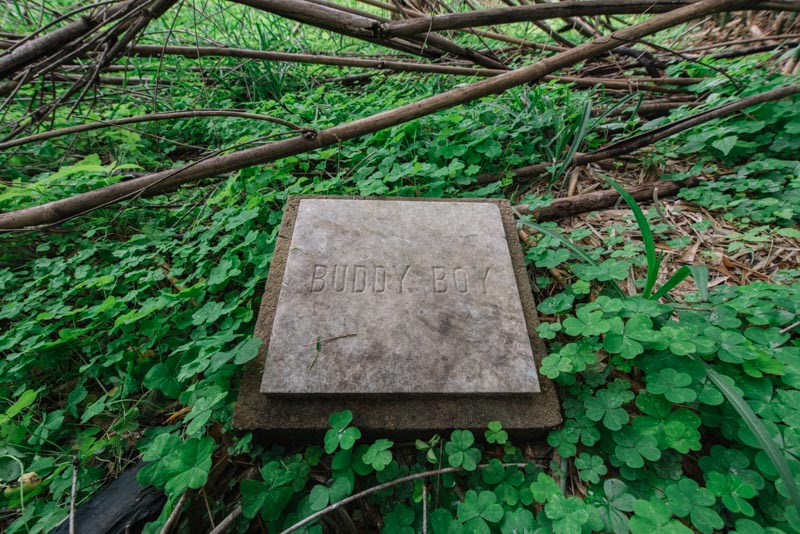
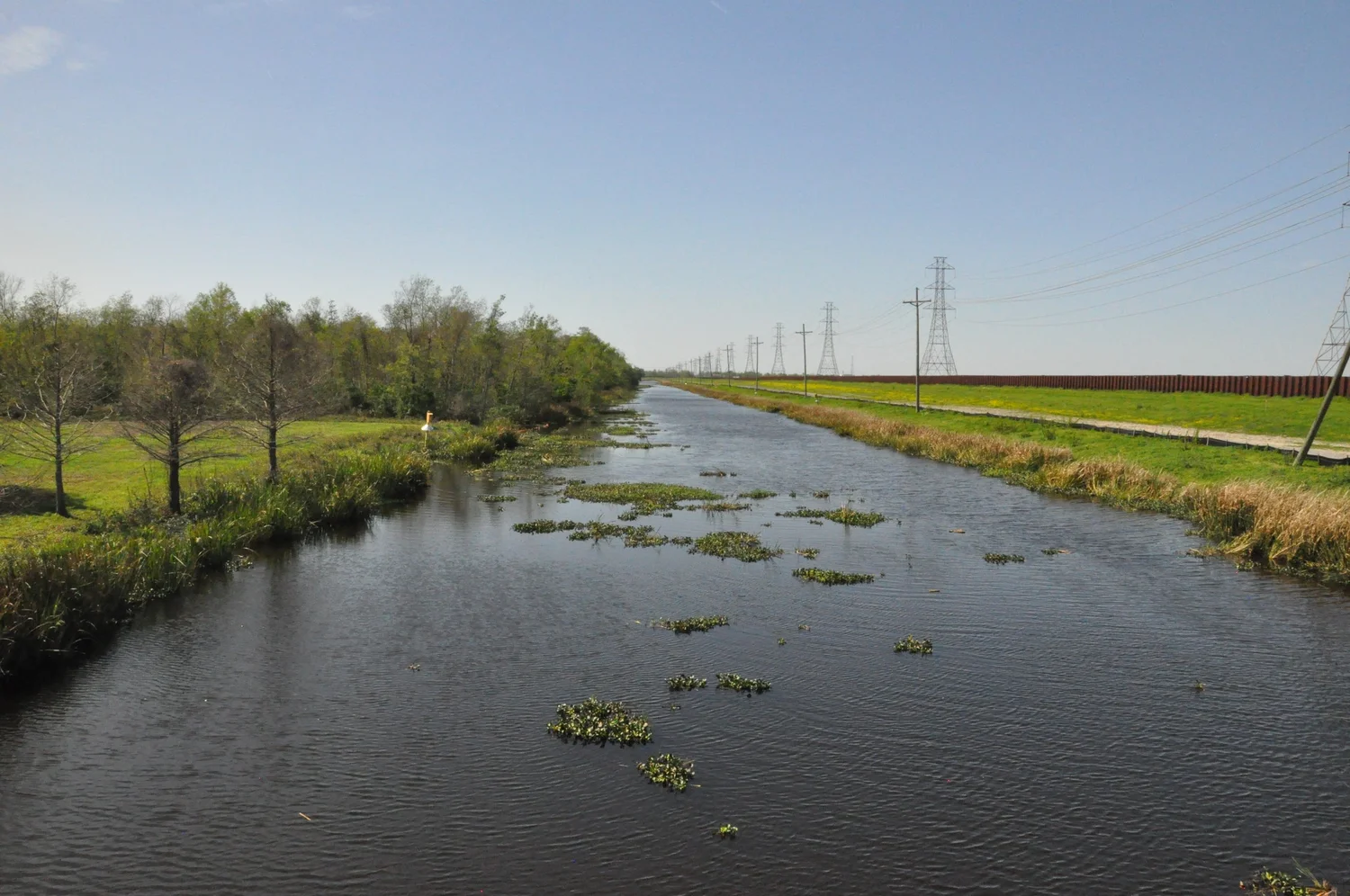
Watch the official trailer
The official trailer for The Pet Cemetery Murders: A Ghost Story previews the documentary's treatment of the cold case and witness accounts. It is a series preview, not independent evidence of paranormal claims.
What the chains tell us—and what they don't
The reported 200 pounds of chain conveys the effort made to weigh down Thompson's body, and it helps explain why the discovery has remained memorable. It does not, by itself, answer every question about the crime. The reliable account is already disturbing without adding unsupported details: Thompson disappeared in April 1985, her body was recovered from the Mississippi River in May, and the case took decades to reach a legal outcome.
Keeping that distinction matters because Thompson was a real person, and her death affected a real community. Responsible true-crime coverage should explain the documented timeline, identify sources, and avoid presenting rumor as fact.
Frequently asked questions
How much chain was reportedly used to weigh down Dorothy Thompson's body?
The Gone South podcast's published episode description says approximately 200 pounds of heavy chain. Local reporting independently confirms that her body was found shackled with chains, though reports may differ in how much detail they provide.
When was Dorothy Lou Thompson's body found?
Her body was discovered in the Mississippi River on May 2, 1985, after she disappeared in April.
Who was convicted in the case?
Brandon Nodier pleaded guilty to manslaughter in 2014 and received a 10-year prison sentence.
Did the chains solve the case?
No single detail solved the case. The investigation was reopened after information came forward, and witness information and the legal process led to Nodier's plea.
Did a ghost provide the evidence?
Some witnesses reportedly described experiences involving Dorothy's ghost. Those claims are part of the story, but they are not independently verifiable proof of a supernatural event.
Where can I learn more?
Read contemporaneous local reporting on the 2014 sentence, the Gone South episode description, and HBO's official series information. These sources offer different kinds of context and should be read with attention to what each can establish.
Sources and further reading
- WVUE/FOX 8 — Man sentenced in 1985 murder case (July 11, 2014)
- Gone South — The Pet Cemetery Murders: Part 1
- Biography.com — Dorothy Lou Thompson case history
- Warner Bros. Discovery — HBO Max October programming and series information
- Autopsy of Architecture — Azalea Original Pet Cemetery history and photographs
Editorial note: Images are credited at their point of use. Third-party image availability and commercial reuse permissions should be checked before reuse. This article distinguishes documented facts from witness claims and folklore.