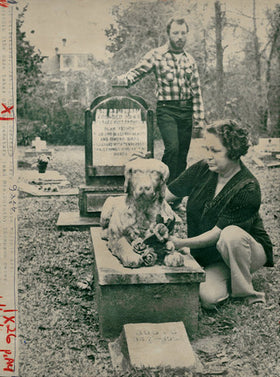
Article 20 in our 30-part series. Why do people describe the ground around Azalea Original Pet Cemetery as cursed? The answer is a mix of local memory, the property's unusual history, a notorious murder, and stories repeated over generations. The record supports a dark and complicated history—but it does not prove that the land is supernatural or literally cursed.
In the Toca community of St. Bernard Parish, Louisiana, the former Azalea Original Pet Cemetery became the focus of stories about deaths, family secrets, disputed property, and the 1985 killing of its owner, Dorothy Lou Thompson. HBO's The Pet Cemetery Murders: A Ghost Story revisits the case, including witnesses' claims that a ghost story helped bring information to investigators. Those claims are part of the story people told; they are not independent proof of paranormal activity.
What was on the land before the cemetery?
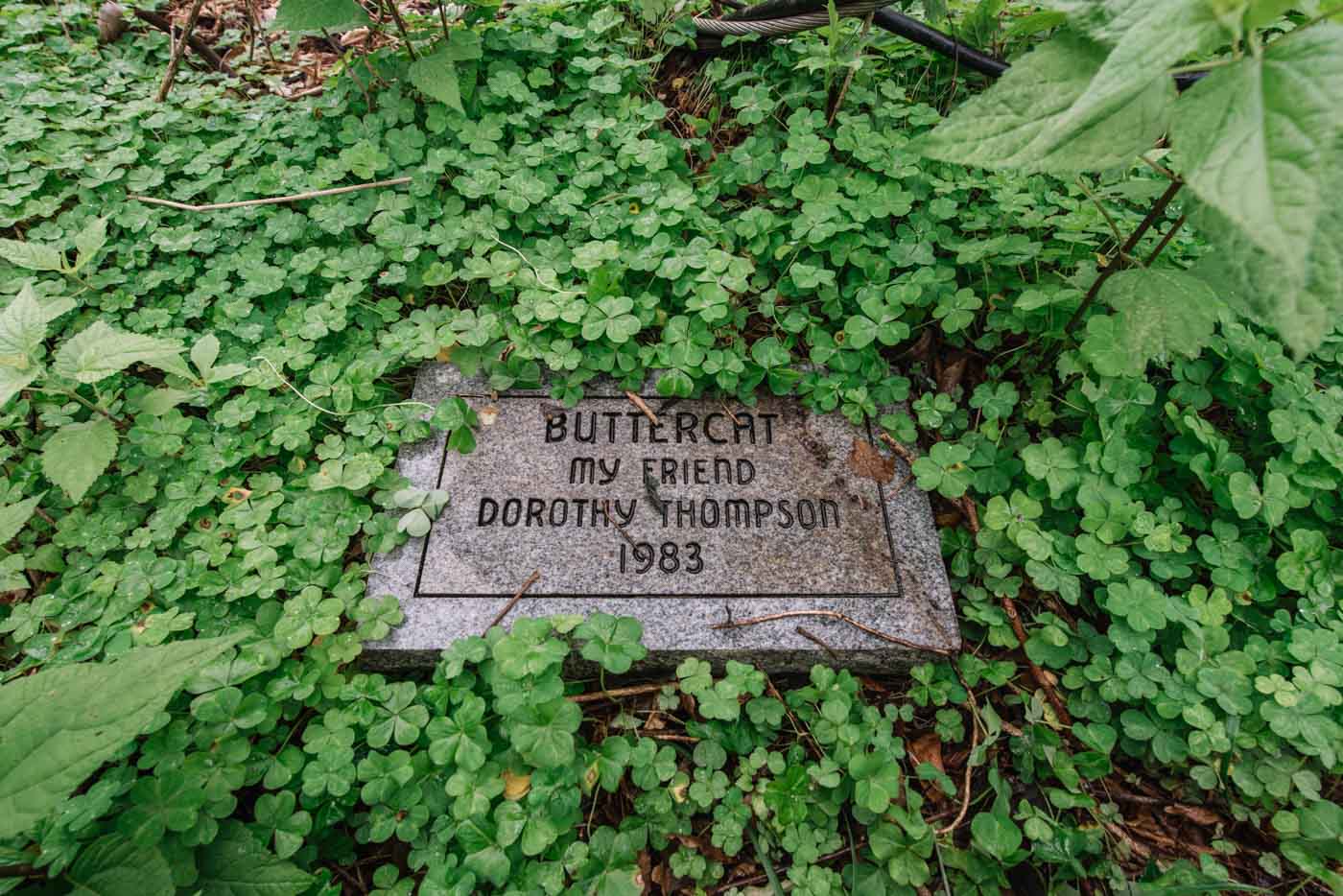
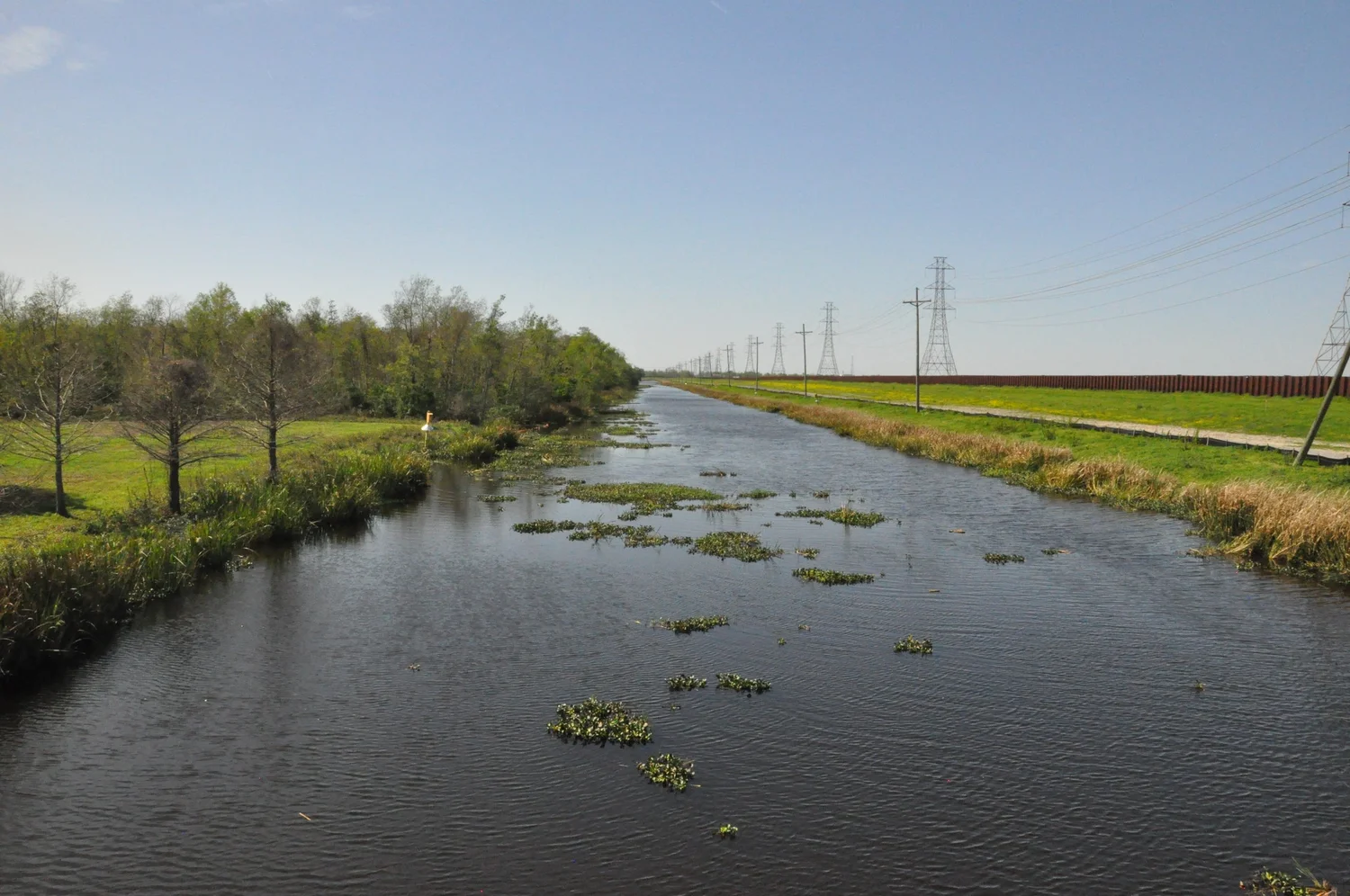
The cemetery was established around the mid-20th century on property associated with the former Toca Plantation, near Bayou Terre-aux-Boeufs in St. Bernard Parish. Accounts of the site's history describe the land as an old plantation property before it became a burial ground for companion animals. The cemetery's distinctive azalea plantings and rows of pet graves made it an unusual local landmark.
Historical accounts also recount an 1845 duel on the plantation grounds in which Philippe Toca killed Gilbert Leonard. That event is one reason later writers connect the property's earlier history with the unsettling reputation it eventually acquired. But a violent event in the past does not establish that a place is cursed, and it should not be treated as evidence of a supernatural cause behind later crimes.
How Grace Wynne and Dorothy Thompson shaped the cemetery's story
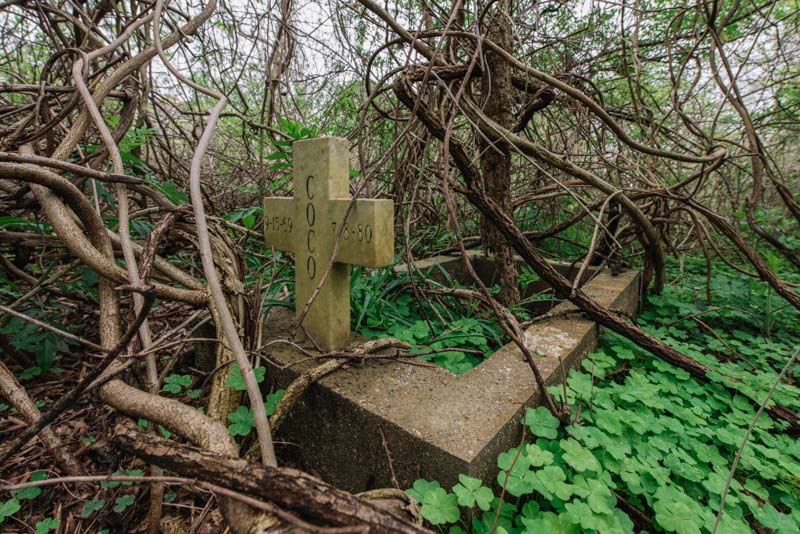
Grace Wynne and her daughter Dorothy Thompson operated the cemetery for decades. It became the resting place of thousands of animals, including dogs, cats, birds, and other pets. For families who buried beloved animals there, the cemetery was also a place of remembrance—not simply a spooky landmark.
Grace's earlier criminal case added another layer to the family's public history. She was convicted in 1942 in connection with the 1934 shooting death of Mary Thompson. In 1944, the Missouri Supreme Court ordered a retrial because of a legal error; that ruling should not be inaccurately described as a finding that the original allegations were false. Grace's past was real history, but it does not establish that the land itself carried a curse.
Dorothy Lou Thompson's 1985 murder changed the site's reputation
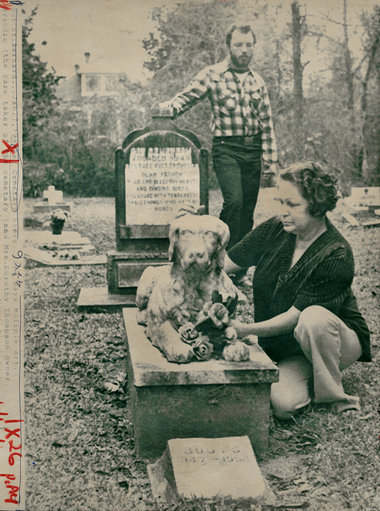
Dorothy Lou Thompson disappeared on April 13, 1985. Her body was discovered in the Mississippi River on May 2, weighed down with heavy chains. Investigators believed she had been killed at the cemetery property and her body moved to the river. The case remained unresolved for years, despite suspicion surrounding former groundskeeper Brandon Nodier.
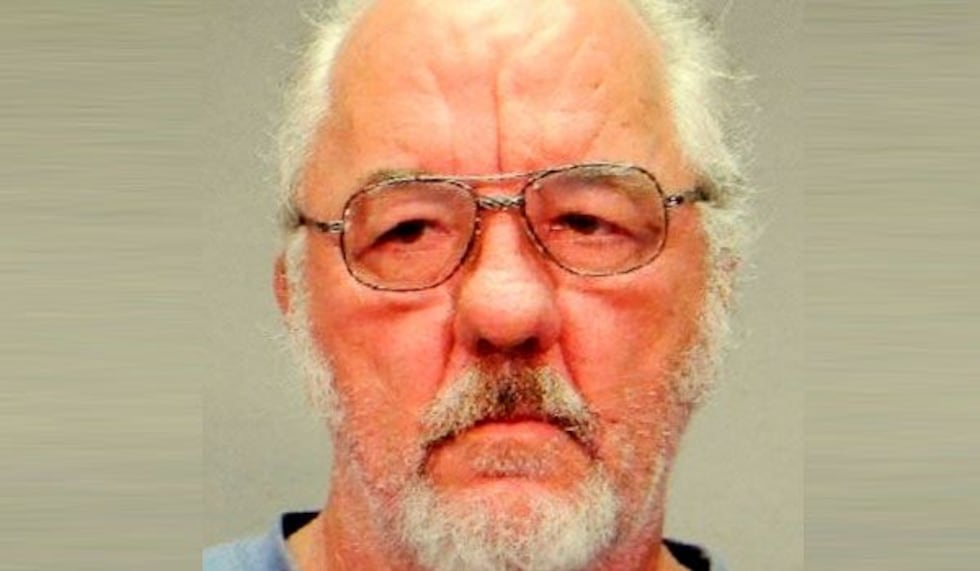
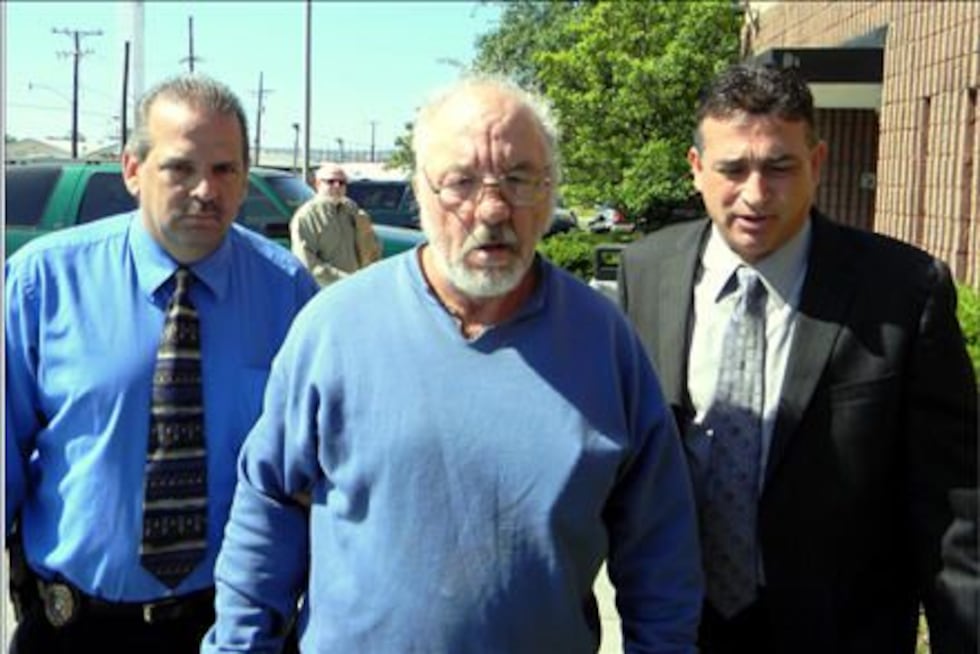
In 2009, the investigation was reopened after information came to authorities, including a witness account connected to an alleged confession. Nodier was charged in 2012 and pleaded guilty to manslaughter in 2014, receiving a 10-year sentence. The plea and sentence are the key legal outcomes; ghost stories were part of the narrative around witnesses coming forward, not a substitute for evidence or court proceedings.
Why did locals call the place cursed?
Several elements contributed to the reputation: the plantation's reported history, the cemetery's unusual appearance, the family's complicated past, violent deaths associated with the property, and the unresolved Thompson investigation. As stories circulated, the cemetery became a place onto which people projected fear, grief, and speculation.
Recent reporting and audio coverage of the case describe locals who regarded the area as evil or cursed. Those accounts help explain the community's folklore, but they are reports of belief and memory—not scientific verification. A careful reading separates the historical record from rumor and separates what witnesses said from what investigators could establish.
Watch the official HBO trailer
The official trailer introduces the documentary's blend of cold-case investigation and reported ghost claims. Watch it as a preview of the series, not as proof that paranormal events occurred.
So, was the pet cemetery really built on cursed land?
The most responsible answer is that the property developed a reputation for being cursed because of its unusual history and the disturbing events associated with it. There is no reliable evidence establishing that a supernatural curse caused those events. The land's documented history, Dorothy Thompson's murder, the investigation's long delay, and local folklore together explain why the story continues to fascinate people.
It is also important to remember that this was a real place connected to real people and grieving families. Treating the cemetery as a sensational horror setting can obscure the human tragedy at the center of the case. The documentary's ghost-story framing is best understood alongside the legal record and the distinction between allegation, testimony, and verified fact.
Frequently asked questions
Where was Azalea Original Pet Cemetery located?
It was in the Toca community of St. Bernard Parish, Louisiana, on property associated with the former Toca Plantation near Bayou Terre-aux-Boeufs.
Who founded the pet cemetery?
Historical accounts identify Grace Wynne as the founder; her daughter Dorothy Lou Thompson later operated the cemetery.
Why did people call the land cursed?
The reputation grew from stories about the property's past, its unsettling appearance, deaths associated with the site, and the 1985 murder case. The curse itself is folklore, not a proven fact.
Was Dorothy Thompson's murder solved?
Brandon Nodier pleaded guilty to manslaughter in 2014 and was sentenced to 10 years. The case's ghost-story elements describe what witnesses reportedly experienced or believed, rather than independently verified paranormal evidence.
Did a ghost solve the case?
Some accounts say witnesses described dreams or experiences involving Dorothy's ghost before sharing information. Investigators relied on witness information and the legal process; there is no independently verifiable evidence that a ghost caused the case to be solved.
Is the cemetery open to visitors?
The former site is abandoned and should not be assumed to be open to the public. Respect private property and local restrictions; use published reporting and documentary material to learn about the location.
Sources and further reading
- Autopsy of Architecture — Azalea Original Pet Cemetery: property history and archival photographs
- Biography.com — Dorothy Lou Thompson case history
- WVUE/FOX 8 — 2012 charge in the 1985 murder case
- WVUE/FOX 8 — Nodier's 2014 manslaughter plea and sentence
- WWNO / Louisiana Considered — local memory, the cold case, and folklore
- Warner Bros. Discovery — HBO Max October programming information
Editorial note: This article distinguishes documented events from witness claims and local folklore. Image credits are included with the relevant images; third-party image availability and reuse permissions should be checked before commercial reuse.