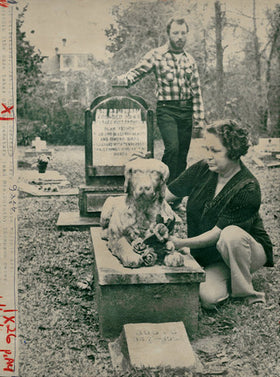
Could a ghost help solve a murder? In the case of Dorothy Lou Thompson, two people reportedly told authorities they had seen her apparition before investigators made progress on a 1985 Louisiana cold case. The story is extraordinary—but the key question is what can actually be verified.
Contemporary reporting and the St. Bernard Parish Sheriff’s Office confirm that ghost sightings were part of the case’s unusual history. They also report that a witness came forward with information about the killing. That establishes that people made these claims and that investigators received new information; it does not establish that an apparition objectively existed or caused the case to be solved.
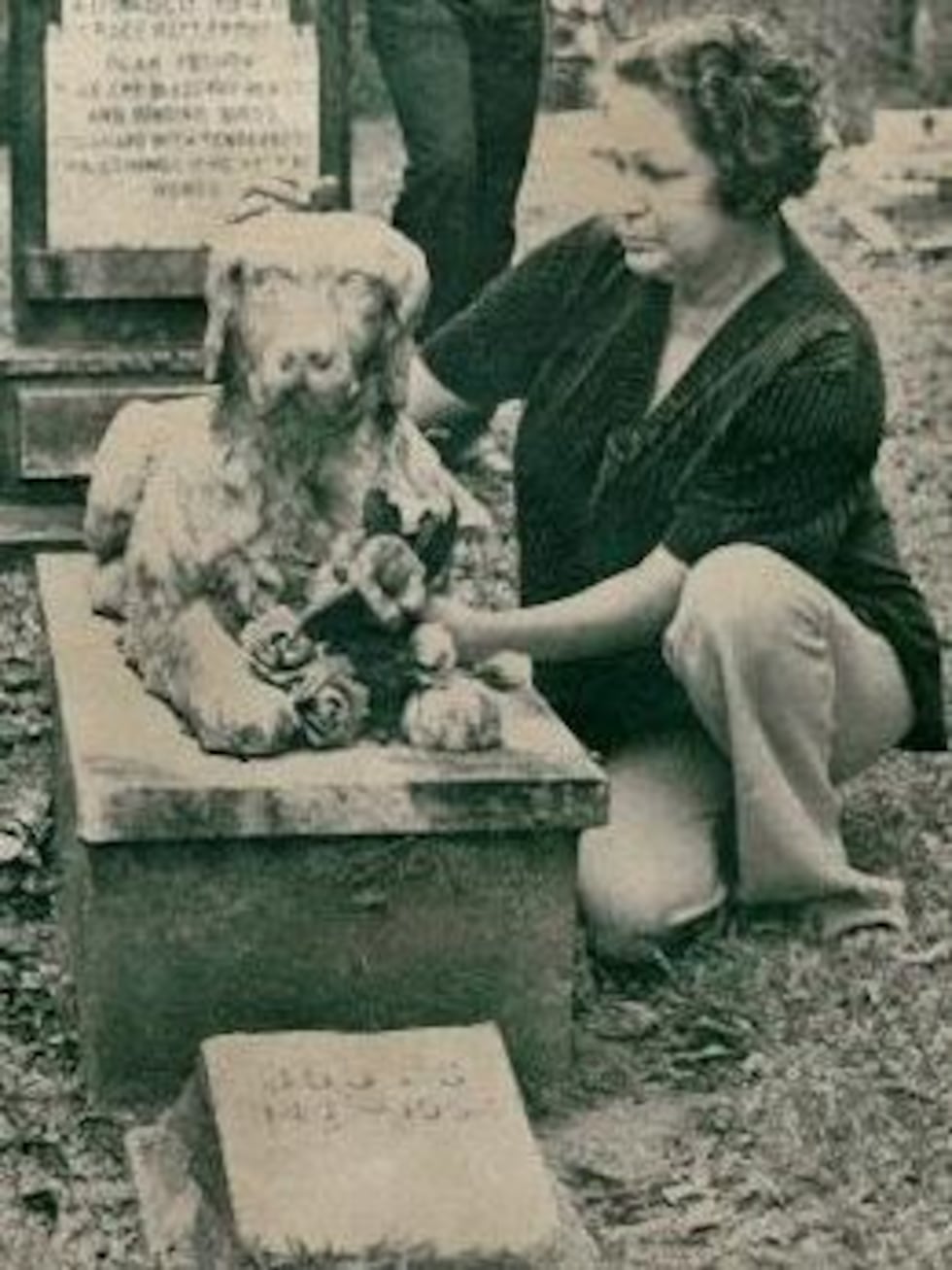
What did investigators say about the sightings?
In its 2012 report on the arrest, WDSU said the Sheriff’s Office had reported that two people claimed to have seen Thompson’s ghost in the area. The same report noted that investigators had at one point consulted a psychic, who offered her belief about where and how Thompson was killed. Those accounts describe what witnesses and a psychic reportedly said; they are not forensic findings.
The sheriff’s office also said that a witness had come forward with evidence involving the killing in the months before the 2012 arrest. Investigators did not publicly disclose the witness’s identity or the details of the information at that time. Read the WDSU report from April 25, 2012.
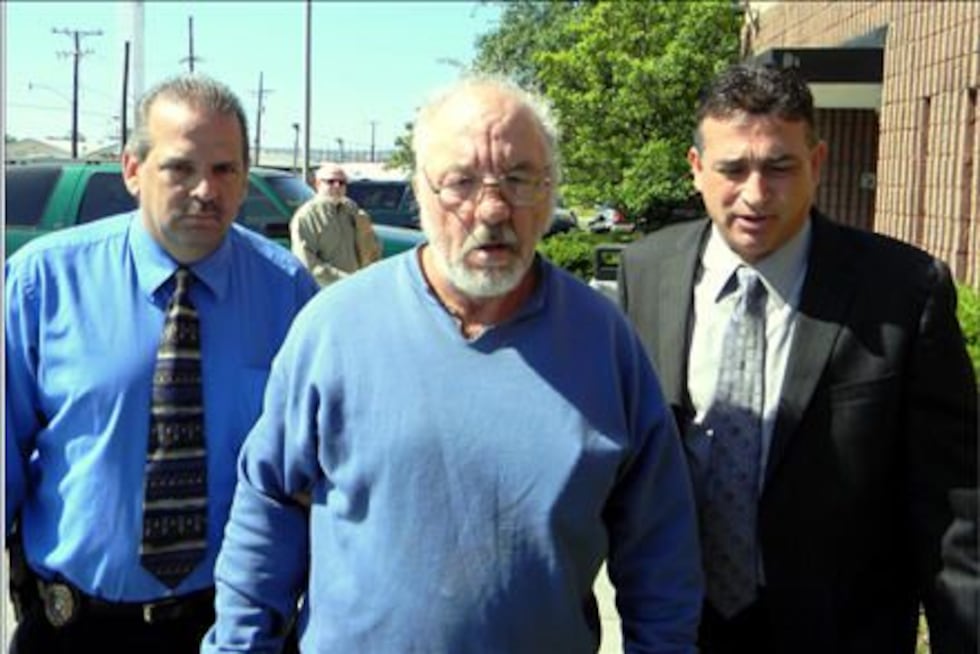
What actually moved the case forward?
Thompson’s body was found in the Mississippi River on May 2, 1985. Nodier had been considered a suspect, but authorities said they initially lacked enough evidence to arrest and seek an indictment. The case was reopened years later, and in 2012 a grand jury indicted Nodier on a second-degree murder charge.
Reporting and later accounts describe two important developments: a person contacted investigators with information, and James J. Tregler, a former assistant groundskeeper, reportedly provided information about the crime. The exact evidentiary weight of each account should not be exaggerated beyond what officials and reliable reporting document.
In July 2014, Nodier pleaded guilty to manslaughter and received a 10-year sentence. The final legal outcome is important: he pleaded to manslaughter, not a jury conviction for second-degree murder.
Does a witness’s experience count as proof?
A witness can sincerely report an experience without that experience being independently verifiable. A paranormal account is not the same as physical evidence, a corroborated timeline, a confession documented in a legal record or testimony tested in court. To demonstrate that a ghost literally existed and caused an investigative breakthrough would require evidence beyond the fact that someone said they saw one.
There is a distinction between a claim helping someone decide to contact police and the claim itself being proven true. If a person believes they received a message from a ghost and then shares information with investigators, the information can be checked against other evidence. The supernatural explanation remains separate from whether the information was useful.
What the official record can and cannot tell us
The public record supports several grounded conclusions: the murder happened; the case remained unresolved for years; people reported ghost sightings; investigators received new information; Nodier was indicted in 2012; and he pleaded guilty to manslaughter in 2014. These facts are remarkable without requiring a paranormal conclusion.
Publicly accessible sources do not provide independently testable evidence that Thompson’s ghost appeared. Nor do they establish that a ghost supplied facts that could not have been obtained through ordinary witness knowledge. The most accurate answer is therefore: there is documentation of the claims, but no verified scientific evidence that a ghost helped solve the case.
Official social post and documentary trailer
The Sheriff’s Office Facebook post below is a case-related official source. It is not scientific proof of a haunting, and it should not be treated as a transcript of every witness account. The video is the series trailer.
Open the St. Bernard Parish Sheriff’s Office Facebook post.
Sources and further reading
- WDSU — 2012 arrest report, including official statements about reported ghost sightings
- St. Bernard Parish Sheriff’s Office — 2014 plea and case summary
- FOX 8 — 2012 indictment and investigation
- Biography.com — background on the case and witness accounts
- Autopsy of Architecture — Azalea Original Pet Cemetery history and archival images
Accuracy note: This article reports paranormal claims as claims, not established fact. The documented legal result was Nodier’s 2014 guilty plea to manslaughter and 10-year sentence.