

For residents of Brigus South, Newfoundland and Labrador, watching Netflix’s Below is more than spotting a familiar coastline on screen. It is a chance to see how their homes, streets, and everyday surroundings were transformed into the fictional fishing community of Snook’s Arm. CBC News reporting describes a production that brought a large crew into a community with roughly 50 year-round residents, changed the appearance of homes, and turned familiar places into period-set locations.
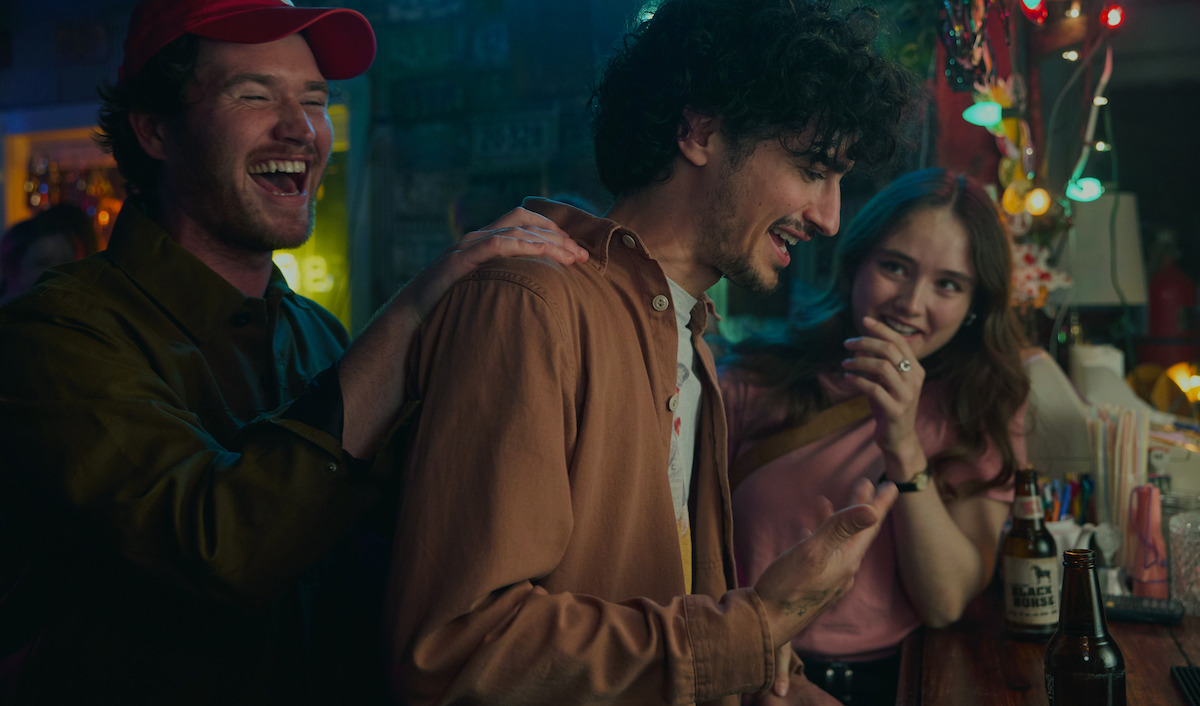
The local reactions reported so far are practical and personal rather than celebrity-focused. Residents described the scale of the activity, the care taken by the crew, and the unusual experience of seeing familiar houses dressed to look older or repurposed as buildings from the show’s fictional past.
Brigus South became the real-world backdrop for Snook’s Arm
Below follows fisherman Calvin Penney, played by Josh Hartnett, as a mysterious sea creature threatens his community and a way of life already under pressure. Snook’s Arm is fictional, but the production used real Newfoundland locations. Netflix’s official location guide lists Brigus South alongside Pouch Cove, Harbour Main, Bay Bulls, St. John’s, and Twillingate. Not every scene was filmed in one village; the production drew on a regional mix of harbors, coastlines, facilities, and community spaces.
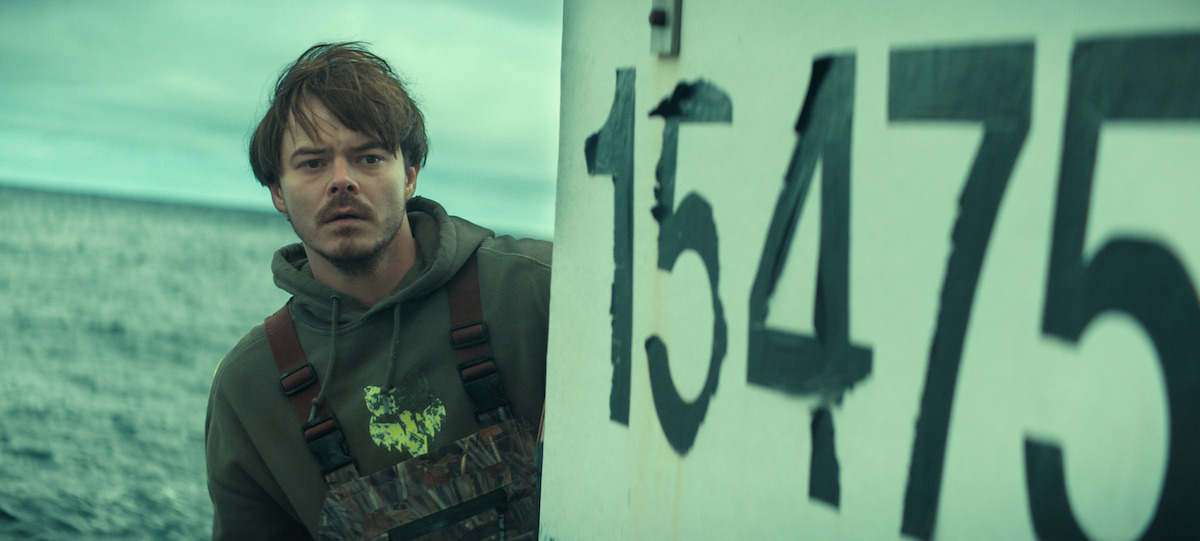
Residents watched familiar homes change for the production
According to CBC News reporting by Ashley Fitzpatrick, resident Elizabeth Power allowed her home to be repainted for the production. The house was given blue siding and white trim designed to make it look older and more weathered. Power described filming noise as dependent on what was being shot and said the activity was an eye-opening experience.
Another resident, Alexis Rice, said the crew treated people respectfully. Her home was made to look abandoned, and the production asked her to leave the grass uncut during the summer. She agreed, and the crew cut it after filming. Rice also described small inconveniences, including using dark curtains to block bright lights during night scenes, while noting that the schedule was communicated and access to her driveway was protected.
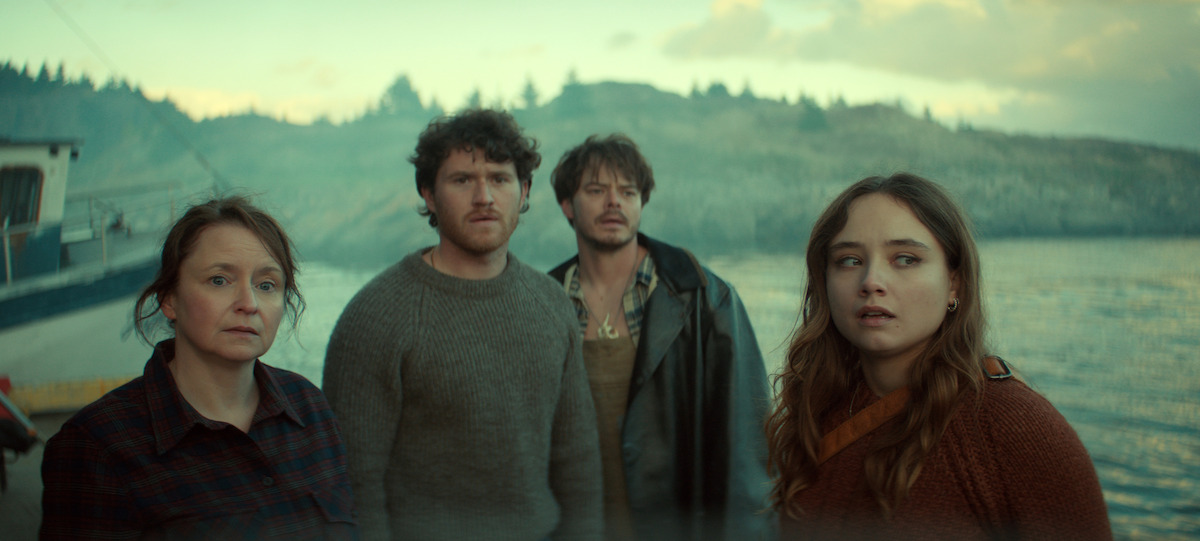
The transformation went beyond a fresh coat of paint
Residents told CBC that the production altered more than exterior colors. One existing home was dressed to resemble an older church, with a new facade added, while another building was adapted to resemble a fish plant. Set dressing and fishing-stage details helped the fictional town evoke an earlier period in Newfoundland’s working waterfront history.
For people who live there, the viewing experience can be layered: a scene may look like a remote fictional outport to audiences elsewhere, while local viewers recognize a house, road, or shoreline from their own daily lives. That recognition sits beside the oddness of seeing familiar places temporarily turned into someone else’s story.
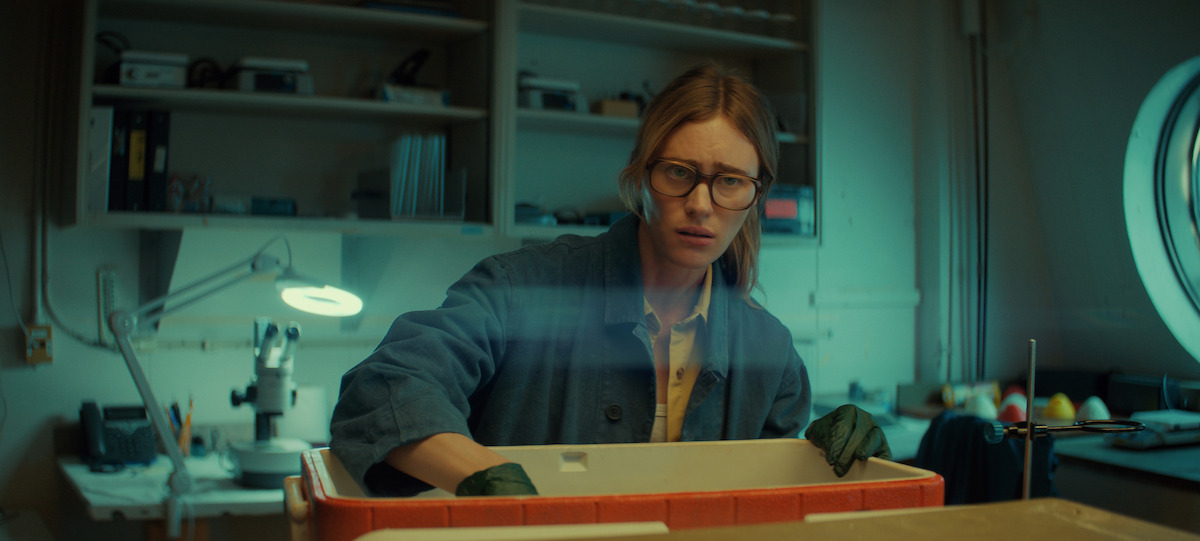
Respectful coordination mattered to residents
Film shoots can bring temporary disruption: crews need access, lighting, equipment, parking, and quiet periods for recording. The residents quoted in CBC’s report described inconveniences but also emphasized respectful conduct and communication. Rice’s account of being told the schedule and having her driveway kept clear illustrates how basic coordination can make a demanding production easier for people who continue to live in the filming area.
That does not mean every resident had the same experience, or that a production has no impact. The clearest available accounts should be reported as individual experiences rather than turned into a sweeping claim that an entire town either loved or disliked the shoot.
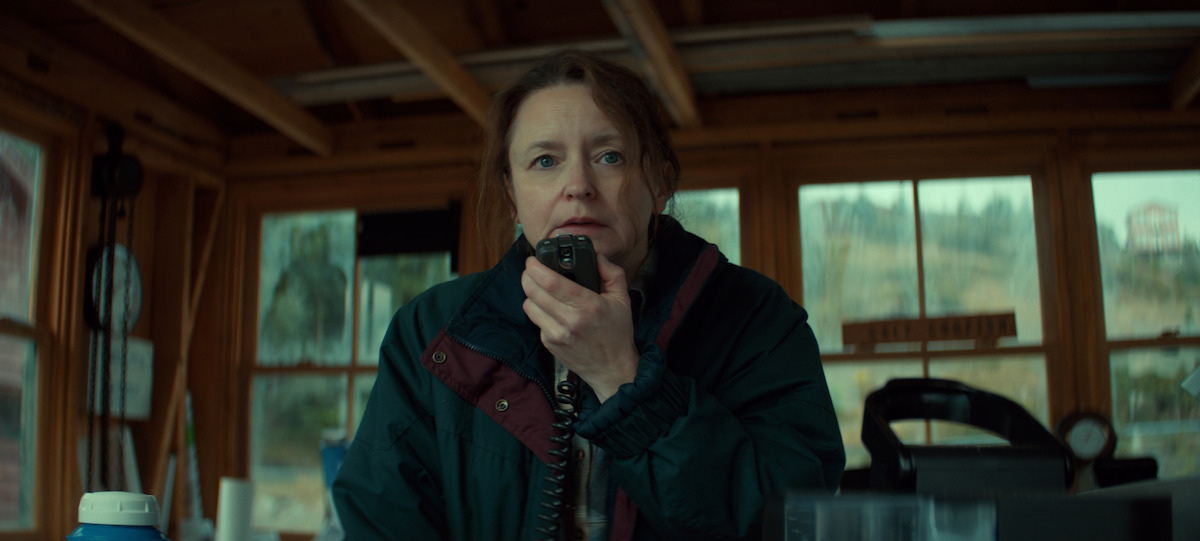
Why local reactions add something the screen cannot
A production can recreate a period look, but residents understand the ordinary details that make a place feel real: how a road is used, what a house normally looks like, how a working harbor sounds, and what changes when unfamiliar people arrive. Those details help explain why location filming depends on local cooperation as much as scenery.
For Below, Newfoundland is central to the themes of community, economic pressure, family history, and attachment to home. Residents’ accounts show how a fictional town is assembled from real places and how the people who live there experience the process.
Watch the trailer
This is promotional footage of the fictional community, not documentary footage of the residents interviewed in news coverage.
Sources and further reading
Read CBC News reporting by Ashley Fitzpatrick for the residents’ accounts and production details. Netflix’s Below filming-location guide lists communities associated with the production, while Netflix Tudum’s series guide provides official cast and production information.
Frequently asked questions
Which Newfoundland town was transformed for Below?
Brigus South was transformed to help portray the fictional town of Snook’s Arm. Netflix lists other filming areas in Newfoundland and Labrador, so not every scene was filmed there.
What did residents say about filming?
Residents quoted by CBC described the production as eye-opening and said crew members were respectful. They also mentioned changes to homes, night-shoot lighting, noise, and the importance of clear schedules.
Did the production change real homes?
Yes. CBC reported that some homes were repainted or dressed to resemble older buildings, including a house adapted to look like a church and another made to resemble a fish plant.
Did residents complain about filming?
The residents quoted in the report described some inconveniences but also praised the crew’s respectful behavior and communication. Those interviews are not a survey of every resident.
Where can viewers find verified filming locations?
Netflix’s official Netflix in Your Neighbourhood page lists locations connected to the series. Visitors should respect private property and check local access rules.
Author: Shivam Das
Image credits: Jan Thijs/Netflix via Netflix Tudum. Sources: CBC News, Netflix Tudum, Netflix in Your Neighbourhood.






