

Spoiler warning: This article discusses story structure and late-series developments in Netflix’s Below.
A mystery series can leave viewers with unanswered questions without necessarily making a mistake. A genuine plot hole is more specific: it happens when a story contradicts its own established facts, timeline, or rules. That distinction matters when judging the claim that Netflix’s Below has one embarrassing plot hole.

Is there one confirmed plot hole in Below?
There is no single, universally confirmed plot hole that should be presented as objective fact without identifying the scene and the contradiction. Netflix describes Below as a six-episode thriller set in a Newfoundland fishing community threatened by a mysterious sea creature. Its story also follows a family trying to hold on to its home while the town faces economic pressure and difficult choices.
That combination naturally raises questions: what can the creature do, how quickly do characters understand the evidence, and do the townspeople respond in ways that make sense given what they know? These are fair subjects for discussion. They are not, by themselves, proof that the writing is inconsistent.
A strong plot-hole argument should name the episode, explain what the show established earlier, and point to the later moment that contradicts it. Without those steps, “plot hole” can become a shorthand for a scene that felt confusing, frustrating, or deliberately ambiguous.
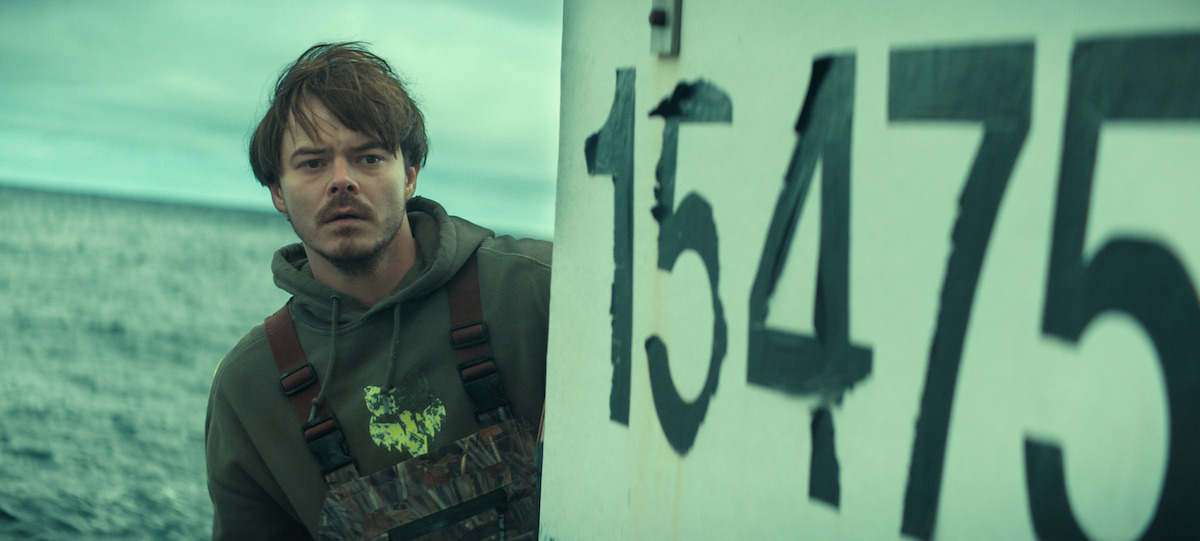
The biggest test: does the creature follow consistent rules?
Creature stories work best when viewers gradually understand the limits of the threat. The creature can remain mysterious, but its behavior should not change arbitrarily whenever the plot needs a new scare. If it can reach a character in one scene but cannot do so in a similar situation later, the story needs to give viewers a reason—distance, weather, injury, distraction, or a newly revealed ability.
At the same time, a thriller does not have to explain every movement or reveal every secret immediately. Withholding information is part of the genre. The important question is whether the show is building suspense or asking viewers to overlook a contradiction. The fairest analysis separates what the characters actually witness from what they merely suspect about the danger in the harbor.
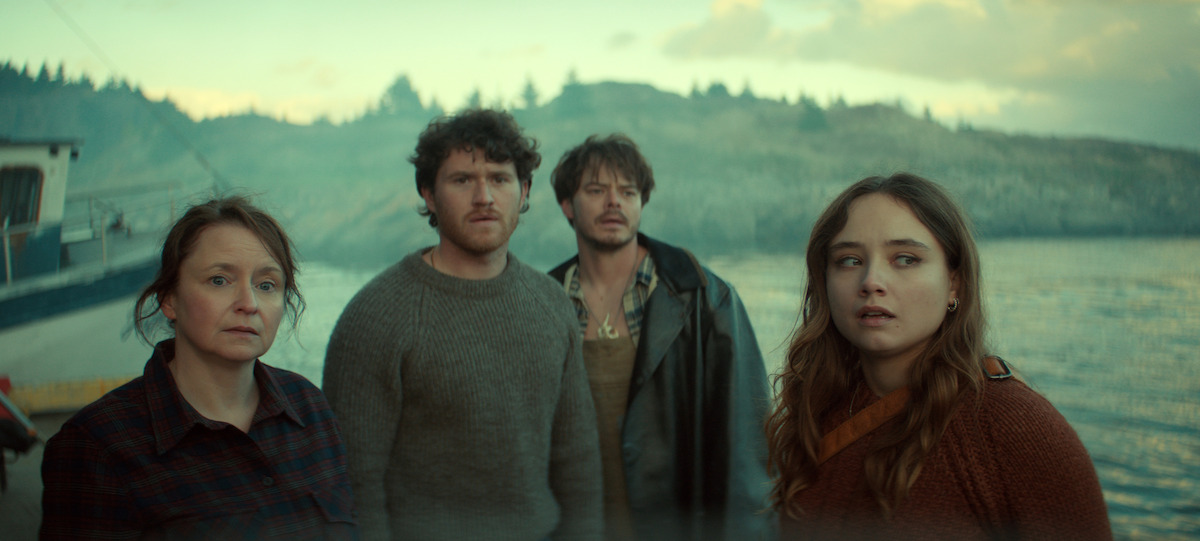
Character decisions can look like plot holes—but are not always
Suspense dramas often frustrate viewers when a character does not take the most logical action. Why return to a dangerous location? Why keep a secret when sharing it could help the whole town? Why argue while a threat grows? Sometimes the script is forcing a scene to happen. But fear, grief, pride, mistrust, and local loyalties can also explain decisions that look irrational from the sofa.
Below places its supernatural mystery inside a close-knit fishing town and a family with old wounds. That makes emotional logic part of the story’s machinery. A more precise criticism than “the characters are stupid” is that the episode may not have given a decision enough believable motivation. That claim can be tested against the actual scene.
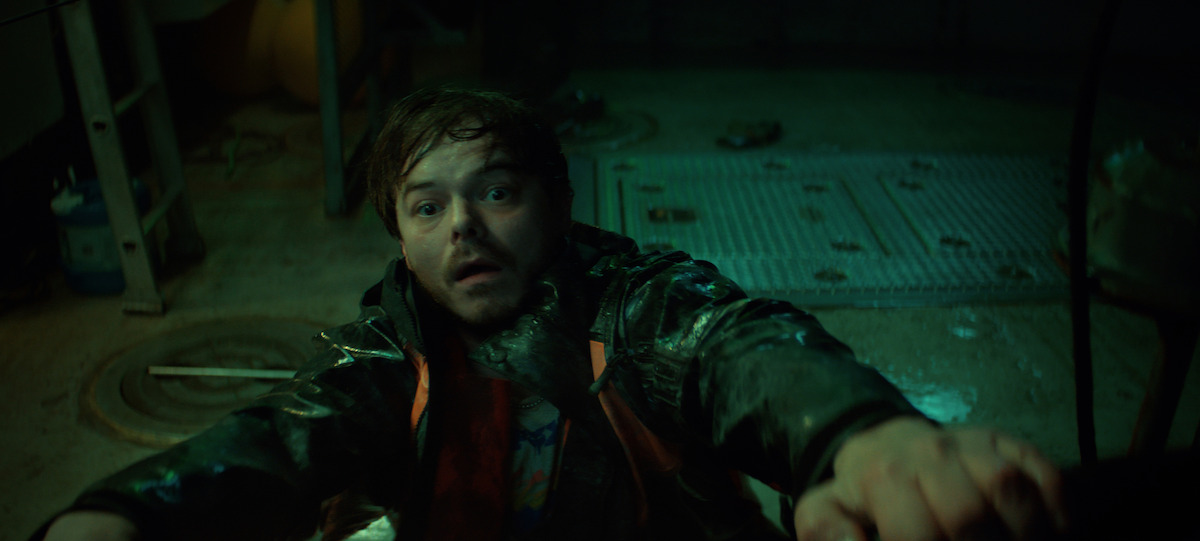
What about the family and the town’s decisions?
The personal stakes and community conflict are not simply background decoration. Calvin Penney’s effort to protect his family and preserve his town is tied to a broader struggle over whether the community can keep control of its future. That pressure can make people defensive or slow to act, even when the audience wants immediate answers.
A story can also leave a thread unresolved on purpose. An unanswered question becomes a plot hole only when the narrative has already supplied information that makes the later outcome impossible or contradictory. An open ending, an unexplained detail, or a character who does not know the whole truth is not automatically a writing error.
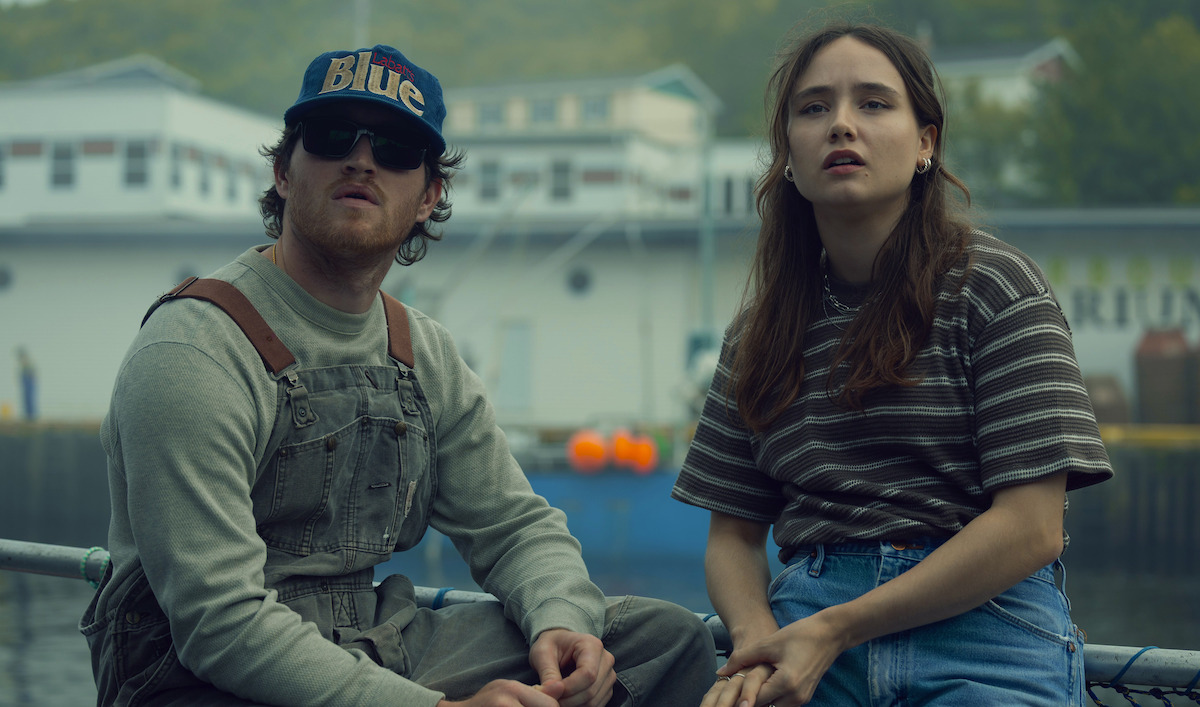
How to judge the alleged plot hole fairly
- Identify the exact scene. A specific action or timeline can be checked; a broad claim that the whole story makes no sense cannot.
- Separate facts from assumptions. What did viewers actually see, and what did a character only suspect?
- Check the chronology. A conversation or event elsewhere in the series may change how a moment reads.
- Look for a later explanation. A mystery can be intentionally unresolved until the finale.
- Distinguish ambiguity from contradiction. A confusing choice is not automatically a broken rule.
The verdict: a debate worth having, not a proven blunder
The most defensible take is that Below invites scrutiny because it combines a creature mystery with family drama and a town-wide fight for survival. That gives viewers plenty to debate: the threat’s limits, a character’s decision, or the timing of a reveal. But calling one issue the show’s “embarrassing plot hole” requires a clearly identified contradiction, not just a frustrating moment or an unanswered question.
If a scene made you stop and rewind, start there. Name the episode, describe what the series established, and compare it with what happens later. That gives fans something concrete to discuss—and gives the show a fairer test than a headline alone.
Frequently asked questions
What is the biggest plot hole in Netflix’s Below?
No single plot hole is established here as an indisputable fact. The most useful discussion focuses on whether the creature’s behavior, the timeline, or a character’s decision contradicts information the series has already shown.
Is an unanswered question the same as a plot hole?
No. A mystery can be deliberately left open. A plot hole is a contradiction or gap that undermines the story’s established logic.
Does Below explain its sea creature completely?
The series is built around uncertainty and a supernatural threat. Viewers should distinguish what the episodes confirm from what characters speculate or what the show leaves ambiguous.
Where can I find official Below photos and details?
Start with Netflix Tudum’s official Below preview and photo gallery and the official ending explainer.
Sources
- Netflix Tudum: Below cast, photos, setting and premise
- Netflix Tudum: Below ending explained
- Reuters: Cast of Netflix’s Below credit Newfoundland community for the show’s charm
By Shivam Das






