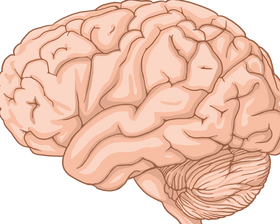
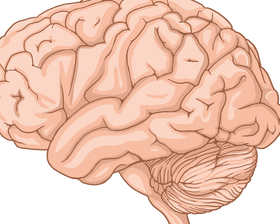
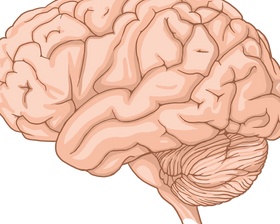
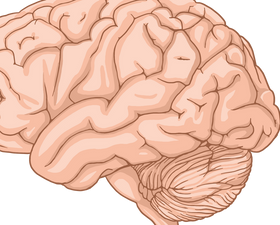
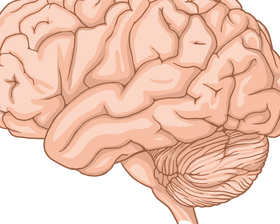
The brain has specialized protective systems that help maintain a stable environment for neural function.
How It Works
The blood-brain barrier is formed largely by specialized cells and tight junctions in brain blood vessels. It restricts passage of many substances while allowing regulated transport.
Key Science
Cerebrospinal fluid surrounds the brain and spinal cord and circulates through the ventricular system, providing physical protection and participating in chemical regulation.
Why It Matters
These barriers are clinically important because they can also limit delivery of some medicines into the central nervous system.
Quick Answer
This topic is part of modern neuroscience and is best understood through interacting biological systems, individual variation and the limits of current evidence.
FAQs
Is one brain region responsible for everything?
No. Complex brain functions generally depend on distributed networks that communicate across regions.
Can brain function change over time?
Yes. Development, learning, experience, injury and aging can influence neural structure or function.
Sources
NCBI Bookshelf · NIH NICHD Neuroscience · NIH BRAIN Initiative
Converse Video
Official Converse
For current models, materials, availability and sizing, check Converse.com.
Converse