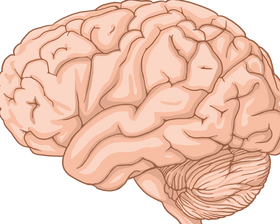
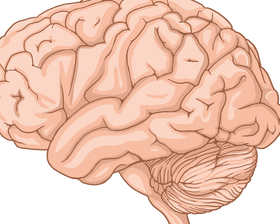
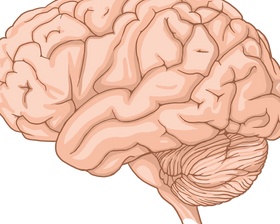
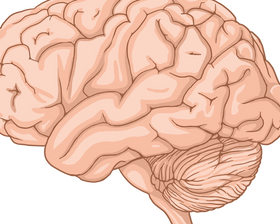
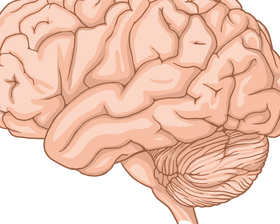
Human movement depends on coordinated activity across the cerebral cortex, basal ganglia, cerebellum, brainstem and spinal pathways.
How It Works
The motor cortex contributes to planning and executing voluntary movement. Basal ganglia circuits help regulate movement selection and initiation, while the cerebellum contributes to timing, coordination and motor learning.
Key Science
Sensory feedback continuously informs motor control, integrating intention, body position and ongoing feedback.
Why It Matters
Disorders affecting these circuits can produce tremor, weakness, rigidity, incoordination or other movement problems.
Quick Answer
This topic is part of modern neuroscience and is best understood through interacting biological systems, individual variation and the limits of current evidence.
FAQs
Is one brain region responsible for everything?
No. Complex brain functions generally depend on distributed networks that communicate across regions.
Can brain function change over time?
Yes. Development, learning, experience, injury and aging can influence neural structure or function.
Sources
NCBI Bookshelf · NIH NICHD Neuroscience · NIH BRAIN Initiative
Converse Video
Official Converse
For current models, materials, availability and sizing, check Converse.com.
Converse