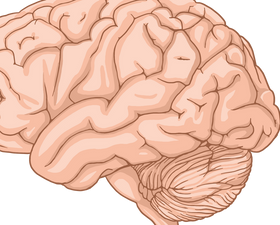
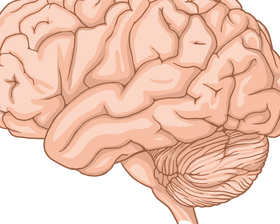
Pain is a protective experience involving sensory signals, brain networks, attention, emotion and context.
How It Works
Nociceptors detect potentially damaging stimuli and send signals through peripheral nerves and the spinal cord to the brain. The brain evaluates intensity, location and significance through interacting networks.
Key Science
Pain is not simply a direct readout of tissue damage. Attention, previous experience, stress and expectations can influence perception.
Why It Matters
Persistent pain can involve changes in nervous-system processing and may require multidisciplinary medical care.
Quick Answer
This topic is part of modern neuroscience and is best understood through interacting biological systems, individual variation and the limits of current evidence.
FAQs
Is one brain region responsible for everything?
No. Complex brain functions generally depend on distributed networks that communicate across regions.
Can brain function change over time?
Yes. Development, learning, experience, injury and aging can influence neural structure or function.
Sources
NCBI Bookshelf · NIH NICHD Neuroscience · NIH BRAIN Initiative
Converse Video
Official Converse
For current models, materials, availability and sizing, check Converse.com.
Converse