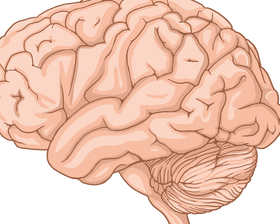
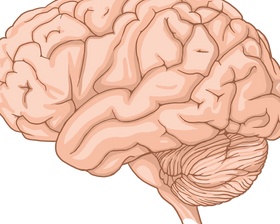
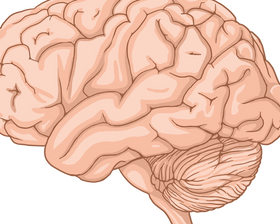
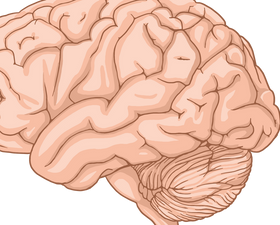
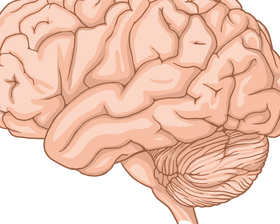
The human brain contains specialized but interconnected structures that contribute to memory, emotion, movement, sensory processing and many other functions.
Hippocampus
The hippocampus is strongly associated with forming and organizing new memories and spatial learning. It works as part of a larger memory network rather than operating alone.
Amygdala
The amygdala participates in emotional processing, especially the detection and learning of emotionally significant information.
Thalamus
The thalamus is a major relay and processing hub for many sensory and motor signals and communicates extensively with the cerebral cortex.
Basal Ganglia
The basal ganglia are interconnected structures involved in movement control, action selection and learning.
Quick Answer
Brain structures work as networks. The hippocampus, amygdala, thalamus and basal ganglia each have important roles but do not operate as isolated “centers.”