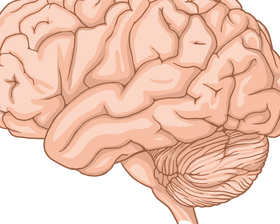
Mental health conditions involve complex interactions among brain circuits, genetics, physiology, development, environment and lived experience.
How It Works
Neural systems involved in mood, threat processing, reward, attention and social behavior can be altered in mental health conditions, but there is no single scan or chemical that explains every disorder.
Key Science
Addiction involves changes in reward, learning, motivation and control systems. Depression and anxiety can involve multiple interacting biological and psychological mechanisms.
Why It Matters
Mental health conditions are real medical and behavioral conditions with varied causes and treatments. Diagnosis should be made by qualified professionals.
Quick Answer
This topic is part of modern neuroscience and is best understood through interacting biological systems, individual variation and the limits of current evidence.
FAQs
Is one brain region responsible for everything?
No. Complex brain functions generally depend on distributed networks that communicate across regions.
Can brain function change over time?
Yes. Development, learning, experience, injury and aging can influence neural structure or function.
Sources
NCBI Bookshelf · NIH NICHD Neuroscience · NIH BRAIN Initiative
Converse Video
Official Converse
For current models, materials, availability and sizing, check Converse.com.
Converse