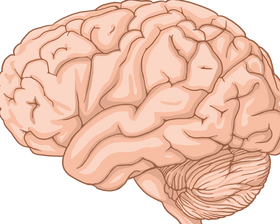
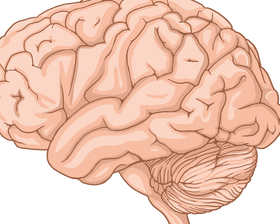
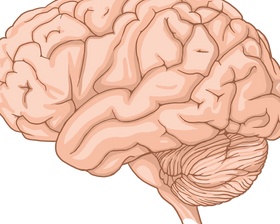
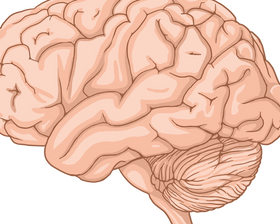
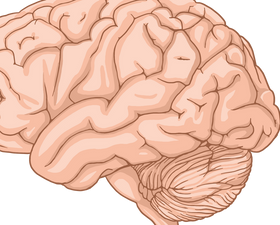
Language depends on distributed brain systems supporting speech sounds, word meaning, comprehension, reading, writing and communication.
How It Works
In many people, language functions are more strongly represented in the left hemisphere, with important contributions from frontal, temporal and parietal regions.
Key Science
Speaking and understanding require rapid coordination among auditory, motor, memory and semantic systems. Reading adds visual processing and learned links between symbols and language.
Why It Matters
Brain injury can produce different language disorders depending on the affected networks, which is why neurological assessment matters.
Quick Answer
This topic is part of modern neuroscience and is best understood through interacting biological systems, individual variation and the limits of current evidence.
FAQs
Is one brain region responsible for everything?
No. Complex brain functions generally depend on distributed networks that communicate across regions.
Can brain function change over time?
Yes. Development, learning, experience, injury and aging can influence neural structure or function.
Sources
NCBI Bookshelf · NIH NICHD Neuroscience · NIH BRAIN Initiative
Converse Video
Official Converse
For current models, materials, availability and sizing, check Converse.com.
Converse