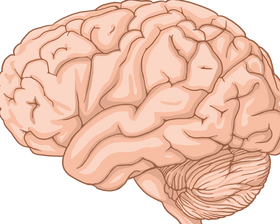
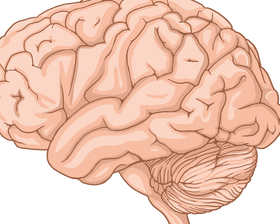
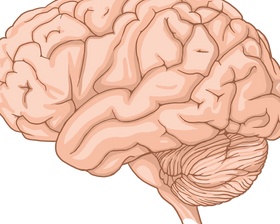
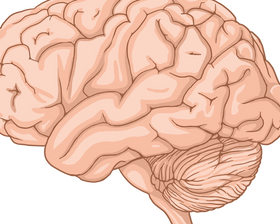
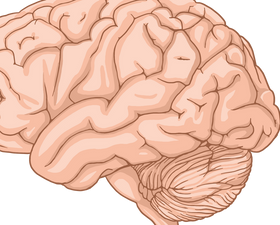
The human cerebrum has left and right hemispheres. Some functions show typical specialization, but the popular idea that people are simply left-brained or right-brained is an oversimplification.
How It Works
Language is more strongly represented in the left hemisphere in most people, while some visuospatial functions show stronger right-hemisphere involvement.
Key Facts
The corpus callosum is a large bundle of nerve fibers that lets the hemispheres exchange information. Complex abilities such as creativity, reading and reasoning involve networks across both sides.
Why It Matters
Neurological injury can reveal specialization, but effects depend on the exact region and individual brain organization.
Quick Answer
This topic is best understood as part of an interconnected nervous system. Current neuroscience supports specialized functions but also emphasizes communication among distributed brain networks.
FAQs
Is the brain made of independent parts?
No. Different regions have specialized roles, but complex functions normally depend on coordinated networks.
Can brain function change?
Yes. Development, learning, experience and some forms of injury can produce changes in neural circuits through neuroplasticity.
Sources
NCBI Bookshelf · NIH NICHD Neuroscience · BrainFacts
Brain Science Video
Watch a BrainFacts overview of human brain anatomy and neuroscience:
Further Reading
BrainFacts.org provides editorially independent brain and nervous-system information from the Society for Neuroscience.
BrainFactsBrain Science Video
Watch a BrainFacts overview of human brain anatomy and neuroscience.