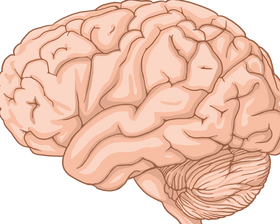
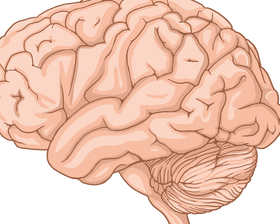
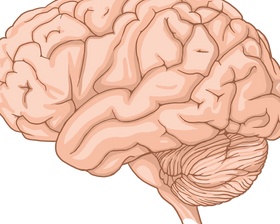
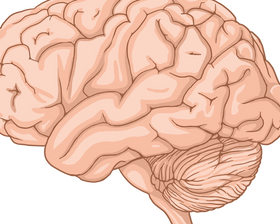
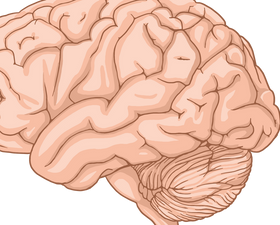
Emotion involves coordinated activity across brain networks, the autonomic nervous system and hormonal systems.
How It Works
Threat processing involves the amygdala and connected cortical and brainstem systems. Stress can alter heart rate, alertness, metabolism and attention.
Key Facts
Motivation involves circuits that evaluate rewards, effort, uncertainty and goals. Dopamine participates in these systems but is not simply a universal pleasure chemical.
Why It Matters
Emotion and reasoning are deeply connected: emotional signals influence attention and decisions, while cognitive appraisal can change emotional responses.
Quick Answer
This topic is best understood as part of an interconnected nervous system. Current neuroscience supports specialized functions but also emphasizes communication among distributed brain networks.
FAQs
Is the brain made of independent parts?
No. Different regions have specialized roles, but complex functions normally depend on coordinated networks.
Can brain function change?
Yes. Development, learning, experience and some forms of injury can produce changes in neural circuits through neuroplasticity.
Sources
NCBI Bookshelf · NIH NICHD Neuroscience · BrainFacts
Brain Science Video
Watch a BrainFacts overview of human brain anatomy and neuroscience:
Further Reading
BrainFacts.org provides editorially independent brain and nervous-system information from the Society for Neuroscience.
BrainFactsBrain Science Video
Watch a BrainFacts overview of human brain anatomy and neuroscience.