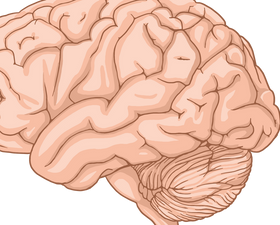
Sleep is an active biological state controlled by interacting brain systems and is closely linked to memory, attention and emotional regulation.
How It Works
Sleep timing depends on circadian rhythms and sleep pressure. Human sleep includes non-REM stages and REM sleep, each with characteristic brain activity and physiology.
Key Facts
Research indicates that sleep contributes to memory processing and consolidation. Insufficient or disrupted sleep can impair attention, reaction time, mood and cognitive performance.
Why It Matters
Consistent sleep timing, a suitable environment and healthy daytime activity can support sleep. Persistent sleep problems deserve professional evaluation.
Quick Answer
This topic is best understood as part of an interconnected nervous system. Current neuroscience supports specialized functions but also emphasizes communication among distributed brain networks.
FAQs
Is the brain made of independent parts?
No. Different regions have specialized roles, but complex functions normally depend on coordinated networks.
Can brain function change?
Yes. Development, learning, experience and some forms of injury can produce changes in neural circuits through neuroplasticity.
Sources
NCBI Bookshelf · NIH NICHD Neuroscience · BrainFacts
Brain Science Video
Watch a BrainFacts overview of human brain anatomy and neuroscience.