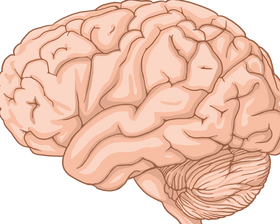
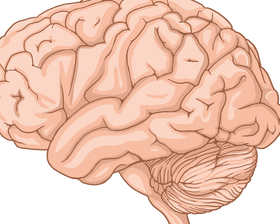
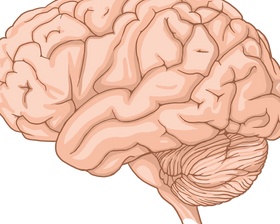
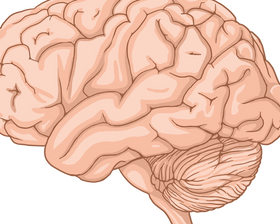
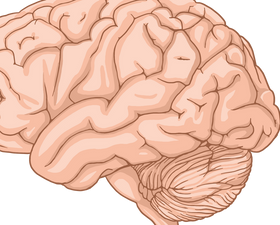
The brain turns signals from sensory receptors into meaningful perceptions. Each sensory system has specialized pathways, but perception depends on integration and context.
How It Works
Light is converted into neural signals by the retina; sound is converted by the inner ear; smell and taste begin with chemical receptors; and touch receptors detect pressure, vibration, temperature and potentially damaging stimuli.
Key Facts
The brain combines sensory input with attention, prior knowledge and memory. This makes perception more than a simple recording of physical stimuli.
Why It Matters
Sensory neuroscience helps explain both everyday perception and how neurological disorders can alter sight, hearing, smell, taste or touch.
Quick Answer
This topic is best understood as part of an interconnected nervous system. Current neuroscience supports specialized functions but also emphasizes communication among distributed brain networks.
FAQs
Is the brain made of independent parts?
No. Different regions have specialized roles, but complex functions normally depend on coordinated networks.
Can brain function change?
Yes. Development, learning, experience and some forms of injury can produce changes in neural circuits through neuroplasticity.
Sources
NCBI Bookshelf · NIH NICHD Neuroscience · BrainFacts
Brain Science Video
Watch a BrainFacts overview of human brain anatomy and neuroscience.