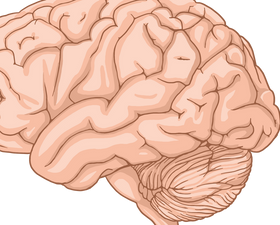
Brain health is closely connected to cardiovascular, metabolic, mental and social health. No single food or supplement guarantees optimal brain function.
How It Works
Regular physical activity supports cardiovascular health and is associated with benefits for brain and cognitive health. A balanced diet supplies nutrients needed for normal brain function.
Key Facts
Adequate sleep supports attention, memory and emotional regulation. Blood pressure, diabetes, smoking and other vascular risks matter because the brain depends on reliable blood flow.
Why It Matters
Some cognitive changes are common with aging, but neurological disease is not inevitable. Evidence should be prioritized over marketing claims about quick fixes.
Quick Answer
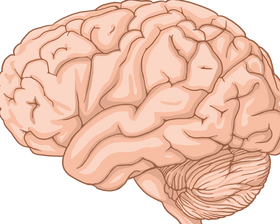
This topic is best understood as part of an interconnected nervous system. Current neuroscience supports specialized functions but also emphasizes communication among distributed brain networks.
FAQs
Is the brain made of independent parts?
No. Different regions have specialized roles, but complex functions normally depend on coordinated networks.
Can brain function change?
Yes. Development, learning, experience and some forms of injury can produce changes in neural circuits through neuroplasticity.
Sources
NCBI Bookshelf · NIH NICHD Neuroscience · BrainFacts
Brain Science Video
Watch a BrainFacts overview of human brain anatomy and neuroscience.